No products in the cart.
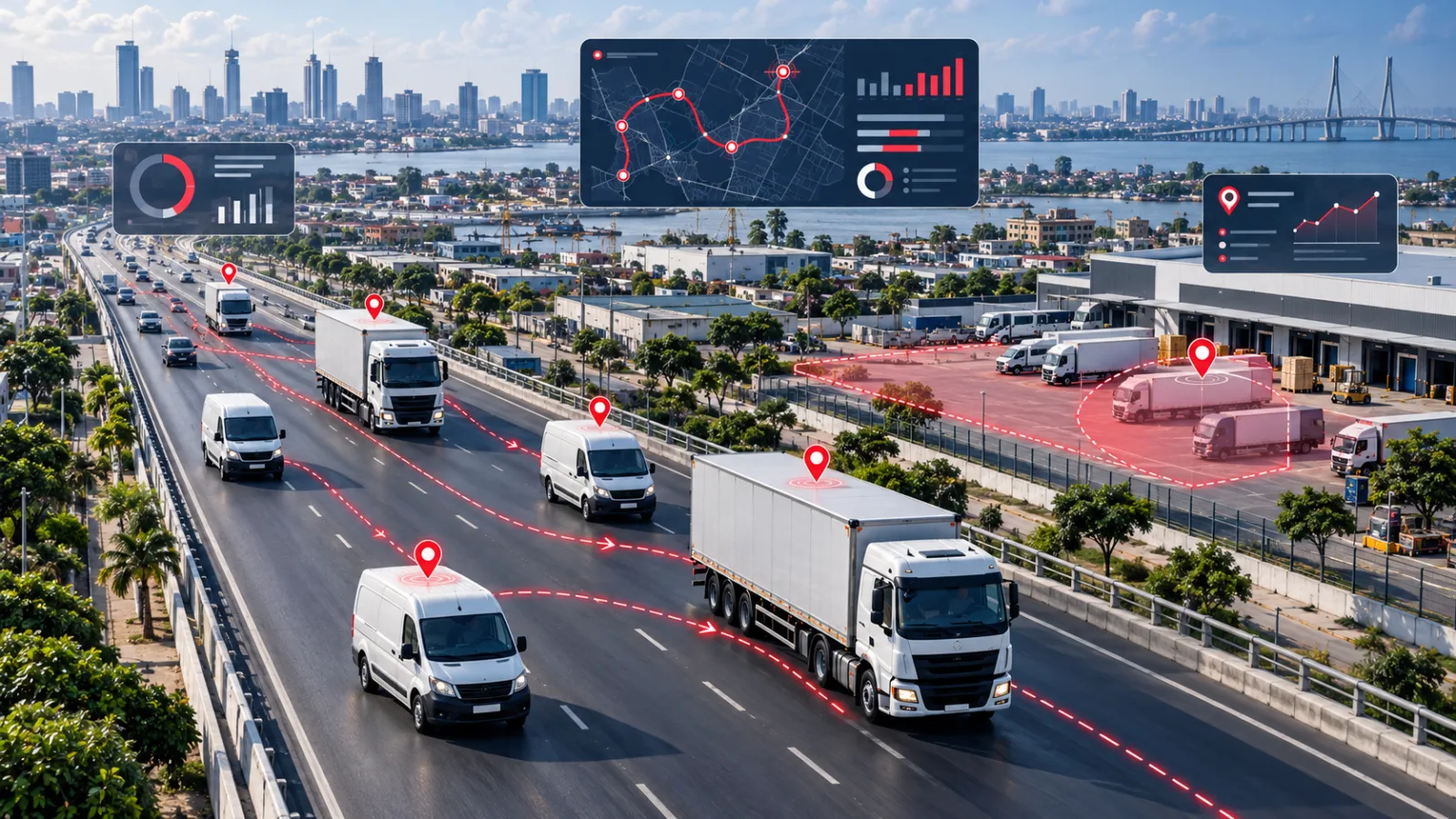
Quick answer: Fuel cost is influenced by far more than pump price. Long idling, route duplication, after-hours use, harsh driving, poor dispatching and delayed maintenance all increase consumption. GPS fleet tracking cannot reduce fuel by itself, but it reveals the operating patterns that managers and drivers can improve together.
What you will learn
Find the invisible sources of fuel waste
A vehicle may complete its assigned trips and still spend hours idling, take an unnecessarily long route or travel outside approved working periods. These behaviours are difficult to measure from fuel receipts alone because the cost appears without the operational context.
Journey history and event data connect fuel discussions to time, location and vehicle activity. Managers can identify repeated patterns instead of blaming a single driver for one unusual day.
- Excessive idling at depots or customer sites
- Repeated detours and route overlap
- After-hours or weekend vehicle use
- Long stops with the engine running
Create fair, useful operating rules
Policies should explain acceptable idling, approved routes, personal use, refuelling records and the conditions that justify an exception. Drivers are more likely to cooperate when the rules reflect real traffic, loading and safety conditions.
Use data for coaching before punishment. A route that appears inefficient may result from roadworks, delivery constraints or customer instructions. The tracking record should begin a conversation and support a better process.
- Set thresholds by vehicle type
- Document legitimate exceptions
- Share improvements as well as violations
Turn exceptions into daily actions
A practical dashboard focuses attention on the few vehicles or journeys that require review. Alerts can flag unauthorised movement, while weekly reports compare idling, distance and journey patterns across the fleet.
The purpose is not to watch every vehicle constantly. It is to create a repeatable review rhythm that moves from data to explanation, action and follow-up.
- Daily review of urgent exceptions
- Weekly operational comparison
- Monthly cost and performance review
Connect fuel efficiency with maintenance
Underinflated tyres, engine faults, overloaded vehicles and delayed servicing also affect consumption. Tracking and maintenance information should be reviewed together so the business does not treat every increase as a driver problem.
Ciska IQ supports journey intelligence and operational reporting that can help teams identify where to investigate. When combined with fuel records and maintenance discipline, visibility becomes a tool for sustainable cost control.
- Compare similar vehicles fairly
- Record service interventions
- Measure whether corrective actions change the trend
A practical action plan
Begin with a representative group of vehicles and record a baseline before changing policy. Agree on the few measures the team will review, train the people responsible for action and hold a short weekly meeting that turns exceptions into documented improvements.
- Find the invisible sources of fuel waste: Excessive idling at depots or customer sites
- Create fair, useful operating rules: Set thresholds by vehicle type
- Turn exceptions into daily actions: Daily review of urgent exceptions
- Connect fuel efficiency with maintenance: Compare similar vehicles fairly
Ciska Fleet Pro and Ciska IQ connect current vehicle status with journeys, events and reports. That combination supports operations on the day and gives management a historical record for coaching, planning and performance review.
Frequently asked questions
Does GPS tracking measure fuel directly?
Some systems can integrate fuel or vehicle data, but journey and behaviour information is valuable even without a direct fuel sensor.
How quickly can fuel savings appear?
That depends on current waste, policy and management follow-through. Establish a baseline and track changes over several operating cycles.
Will drivers resist monitoring?
Clear communication, fair rules and coaching-focused use can reduce resistance and make the safety and efficiency benefits understandable.
Take the next step with Ciska
This guide becomes more useful when the ideas are connected to the right hardware, installation and tracking software. For this topic, start with Ciska Fleet Pro.
Continue reading
Choose connected hardware and Ciska IQ software for cars, fleets, delivery bikes, cold cargo and inland vessels. Live tracking, journey history, geofences and smart security alerts. Fleet visibility, driver insight, operational alerts and business reporting. Multi-customer fleet intelligence for tracking companies and enterprise teams. Location and temperature visibility for food, medicine and sensitive cargo. Compact GPS tracking for dispatch bikes and last-mile delivery fleets. Route history, location visibility and operating-area alerts for inland vessels. Vehicle diagnostics with authorised-driver identification and accountability. A connected probe for reliable cold-chain and sensitive-cargo temperature data.Explore the Ciska ecosystem View all products →One tracking family. Every kind of movement.
 Personal vehicle protection
Ciska Hybrid Pro
₦80,000.00View Ciska Hybrid Pro →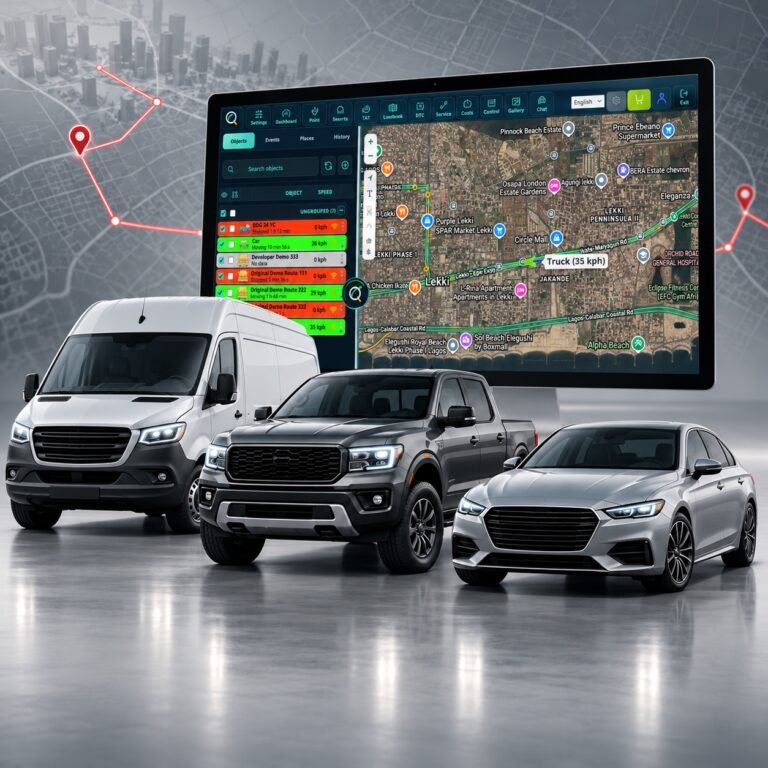 Fleet operations
Ciska Fleet Pro
₦85,000.00View Ciska Fleet Pro →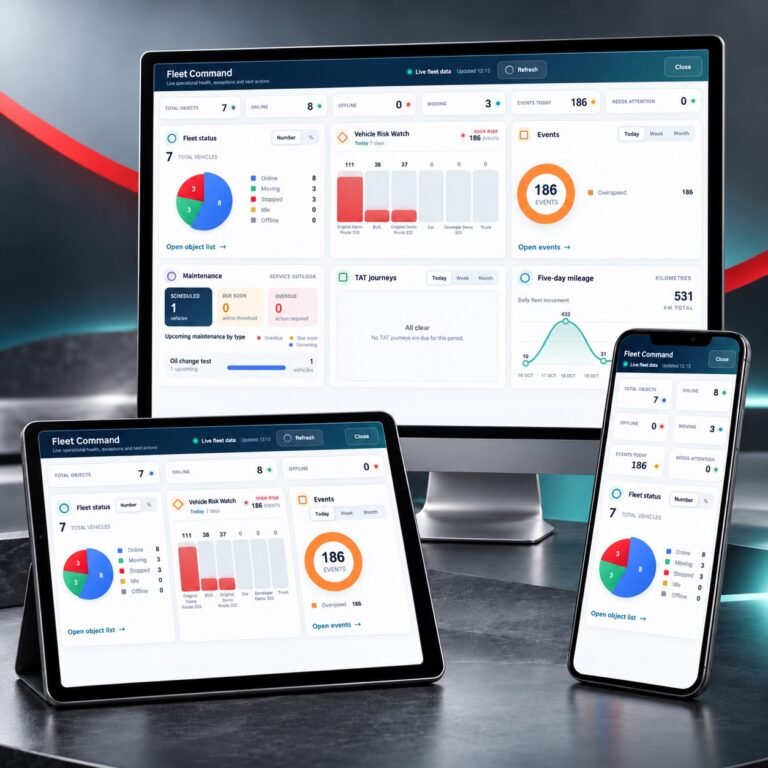 Tracking software
Ciska IQ AI Tracking Platform
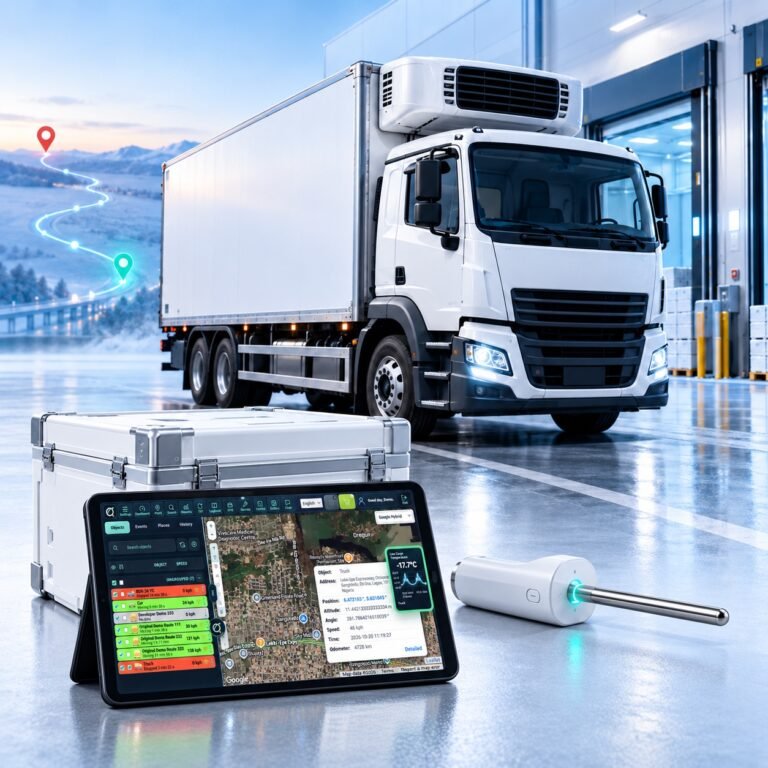 Cold-chain monitoring
Ciska Cold
₦265,000.00View Ciska Cold →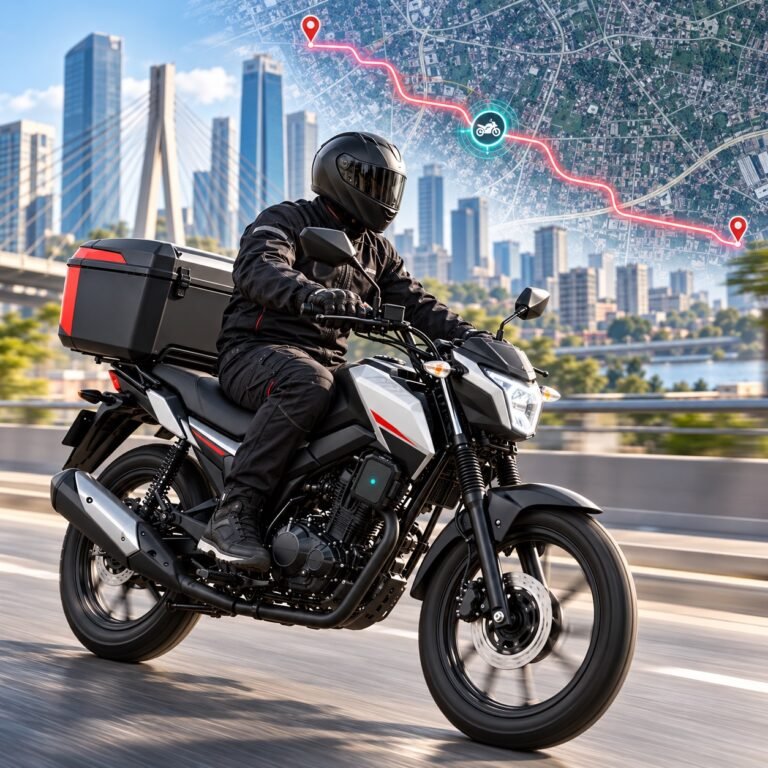 Bike and delivery tracking
Ciska Dispatch
₦70,000.00View Ciska Dispatch → Marine tracking
Ciska Boats
₦80,000.00View Ciska Boats →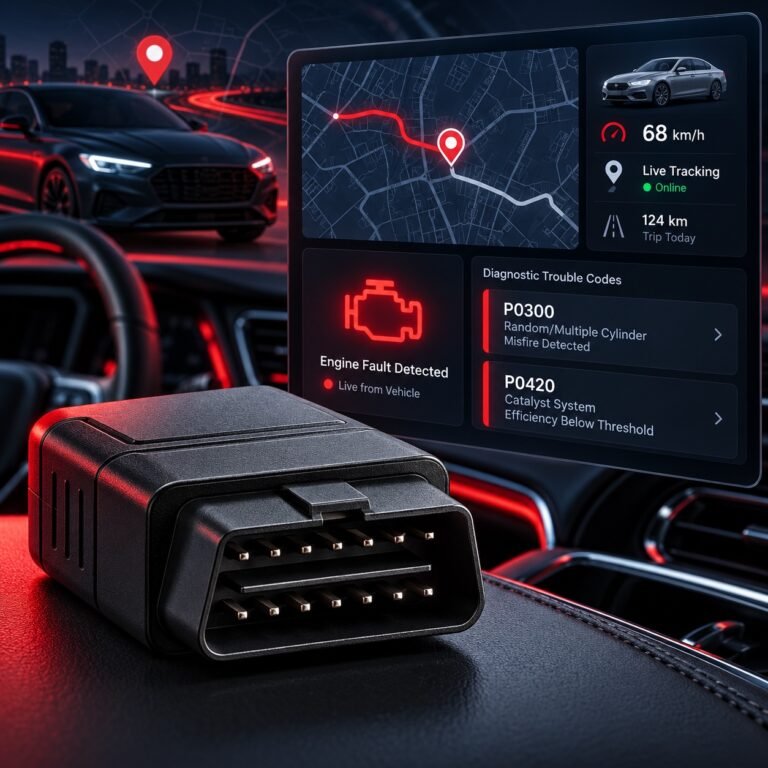 Diagnostics and driver ID
Ciska OBD-II + RFID
₦140,000.00View Ciska OBD-II + RFID →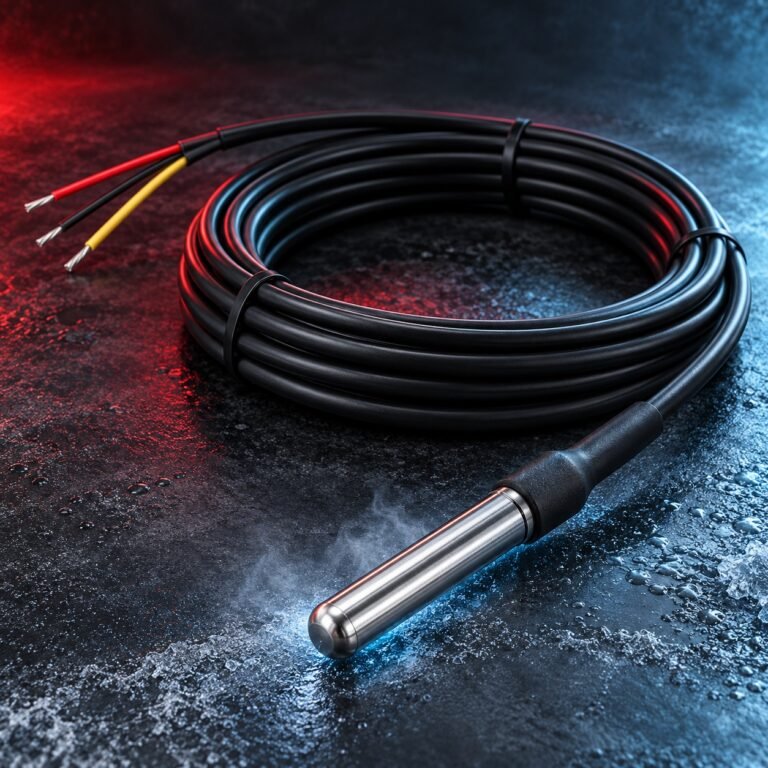 Temperature sensing
Ciska Temperature Probe
₦55,000.00View Ciska Temperature Probe →