
No products in the cart.

Quick answer: A multi-customer tracking platform must satisfy two audiences at once: the provider operating the service and the customer relying on it. The provider needs control and efficient support; the customer needs simplicity, speed and confidence. Choosing well requires testing the full operating journey, not just the map screen.
What you will learn
Account and permission design
The platform should separate customers cleanly and allow each organisation to control appropriate users, vehicles and reports. Within a fleet, managers may need broad access while supervisors or vehicle owners need a narrower view.
Ask how access is created, changed and removed. Clear permissions reduce privacy risk and make onboarding large customers more manageable.
- Customer-level separation
- Role-based user permissions
- Simple access review
- Auditability of important actions
Device and vehicle operations
Providers need a reliable method for registering devices, naming assets, checking communication and resolving exceptions. The system should make it easy to distinguish a parked vehicle from a device that has stopped reporting.
Test bulk and repeatable workflows. A process that feels acceptable for five devices may become expensive at five hundred if every task requires several manual screens.
- Device status and last communication
- Vehicle and driver association
- Consistent installation records
- Exception queues
Customer-facing intelligence
Customers expect live location, history, alerts and reports to answer practical questions. A well-designed platform uses clear language, responsive layouts and sensible defaults without hiding advanced information from power users.
Demonstrate the platform to both technical and non-technical participants. The best choice is one the customer can actually use after training ends.
- Mobile and desktop usability
- Exportable reports
- Configurable alerts
- Fast historical search
Commercial and support considerations
Evaluate subscription terms, scaling, data retention, update practices, support channels and responsibilities during outages. Confirm how new features are introduced and how changes are communicated to customer administrators.
Ciska IQ should be evaluated as part of the provider’s complete service model. Technology, field support and customer operations must reinforce one another.
- Document service responsibilities
- Confirm data and renewal terms
- Plan customer migration
- Define success measures
A practical action plan
Treat platform adoption as an operating change rather than a software login. Clean customer and vehicle records, define user roles, test critical workflows and document who responds to security, support and data-quality exceptions.
- Account and permission design: Customer-level separation
- Device and vehicle operations: Device status and last communication
- Customer-facing intelligence: Mobile and desktop usability
- Commercial and support considerations: Document service responsibilities
Ciska IQ is designed as an AI tracking platform for fleet operators, enterprises and tracking companies. Live tracking, alerts, history, dashboards and reporting become more valuable when every output has an owner and every high-impact action remains subject to human verification.
Frequently asked questions
What does multi-customer mean?
It describes a platform that allows a service provider to organise and support multiple separate customer accounts within one operating environment.
Should customers receive administrator access?
That depends on the service design. Permissions should match responsibilities and limit access to the minimum necessary scope.
How should a platform pilot be run?
Use representative customers, devices and workflows, then test onboarding, alerts, history, reports and support before expanding.
Take the next step with Ciska
This guide becomes more useful when the ideas are connected to the right hardware, installation and tracking software. For this topic, start with Ciska IQ AI Tracking Platform.
Continue reading
Choose connected hardware and Ciska IQ software for cars, fleets, delivery bikes, cold cargo and inland vessels. Live tracking, journey history, geofences and smart security alerts. Fleet visibility, driver insight, operational alerts and business reporting. Multi-customer fleet intelligence for tracking companies and enterprise teams. Location and temperature visibility for food, medicine and sensitive cargo. Compact GPS tracking for dispatch bikes and last-mile delivery fleets. Route history, location visibility and operating-area alerts for inland vessels. Vehicle diagnostics with authorised-driver identification and accountability. A connected probe for reliable cold-chain and sensitive-cargo temperature data.Explore the Ciska ecosystem View all products →One tracking family. Every kind of movement.
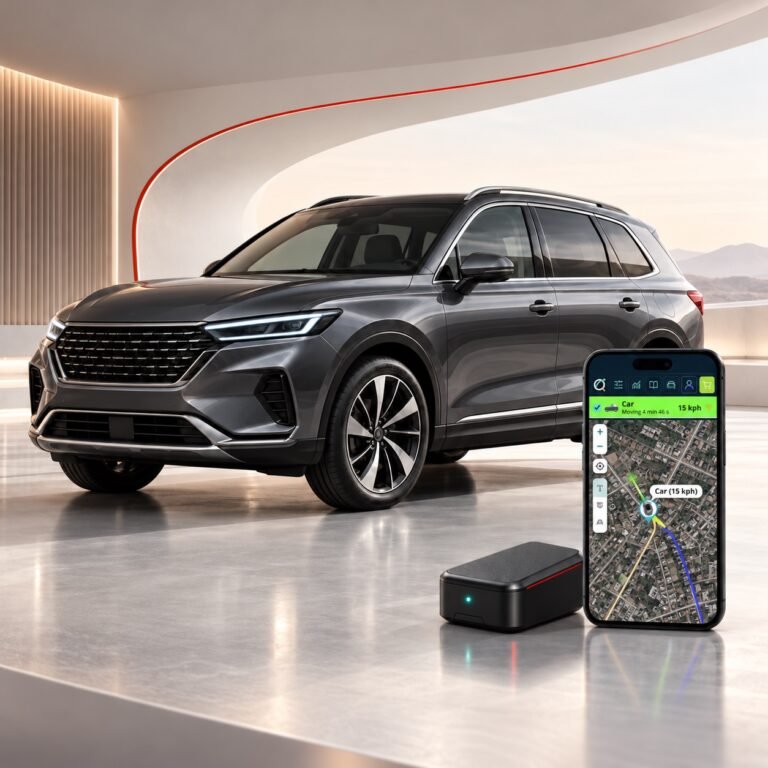 Personal vehicle protection
Ciska Hybrid Pro
₦80,000.00View Ciska Hybrid Pro →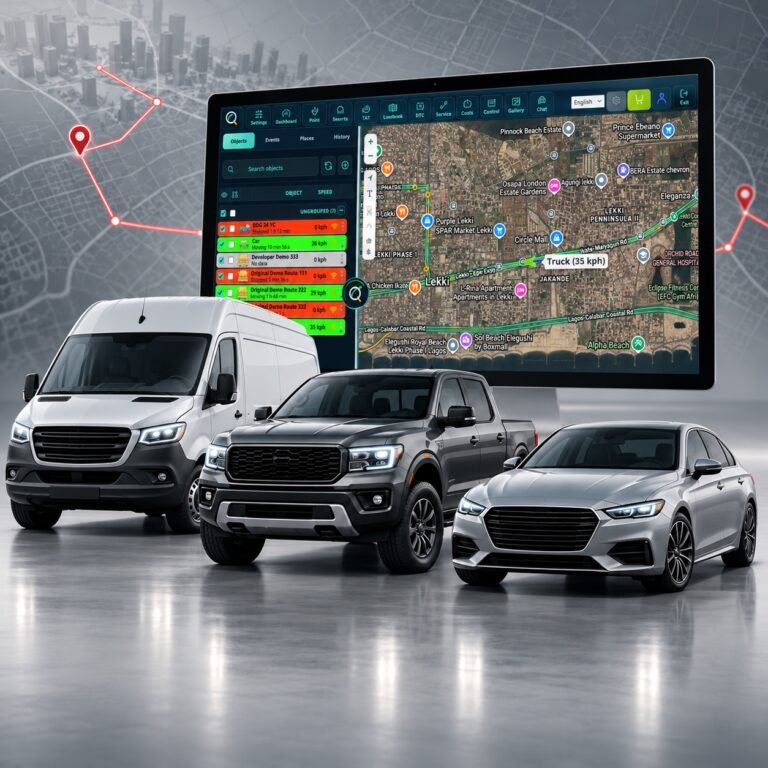 Fleet operations
Ciska Fleet Pro
₦85,000.00View Ciska Fleet Pro →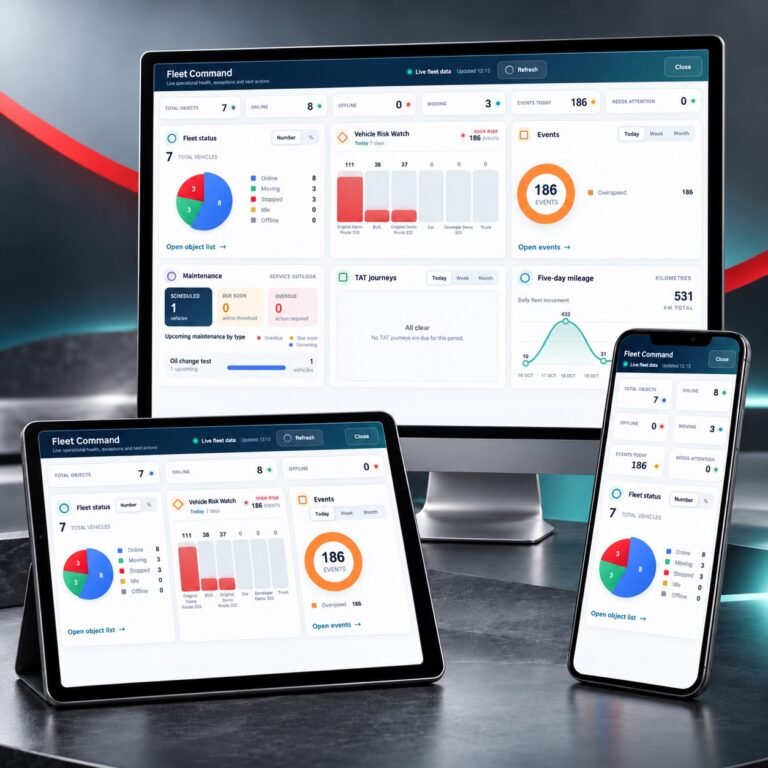 Tracking software
Ciska IQ AI Tracking Platform
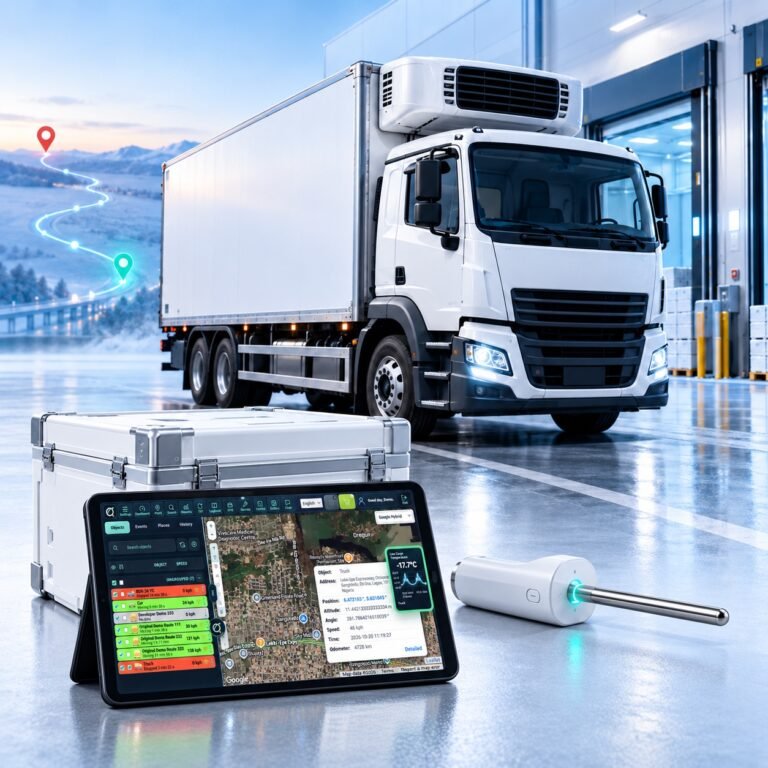 Cold-chain monitoring
Ciska Cold
₦265,000.00View Ciska Cold → Bike and delivery tracking
Ciska Dispatch
₦70,000.00View Ciska Dispatch → Marine tracking
Ciska Boats
₦80,000.00View Ciska Boats → Diagnostics and driver ID
Ciska OBD-II + RFID
₦140,000.00View Ciska OBD-II + RFID → Temperature sensing
Ciska Temperature Probe
₦55,000.00View Ciska Temperature Probe →