
No products in the cart.

Quick answer: Tracking companies often remain on outdated software because migration appears risky. The risk is real: devices, customer accounts, history, alerts and support routines are connected. A successful transition therefore treats migration as an operational programme with inventory, testing, communication and staged cutover.
What you will learn
Build an accurate migration inventory
List customers, users, vehicles, devices, communication status, subscriptions, geofences, alert rules and required history. Mark inactive and duplicate records so poor data is not copied into the new environment.
Identify device models and protocols early. Compatibility should be verified with evidence rather than assumptions based on similar model names.
- Active customers and contacts
- Device identifiers and models
- Vehicle-to-device relationships
- Critical alerts and reports
- History-retention requirements
Design the target structure before moving data
Agree naming conventions, customer hierarchy, user roles and service packages in the new platform. Migration is an opportunity to correct years of inconsistent labels and excessive permissions.
Map every old field to its destination and document what will not move. Customers should know whether historical information will remain in an archive or appear directly in the new platform.
- Standard names
- Permission model
- Data mapping
- Archive strategy
Pilot and run systems in parallel
Select a pilot that represents common device types and customer use cases. Compare live positions, events, journeys and reports across both systems for a defined period.
Record every difference and determine whether it is an error, configuration issue or expected change in interpretation. Do not scale the migration until critical workflows pass.
- Representative devices
- Live and historical comparison
- Customer acceptance
- Rollback plan
Communicate the cutover clearly
Customers need simple instructions: when access changes, how to sign in, what looks different and where to get help. Support teams need scripts and escalation paths for the most likely questions.
Ciska IQ provides a modern destination for live tracking, alerts, history and fleet intelligence. The migration succeeds when customers experience continuity and the provider gains a cleaner operational foundation.
- Announce the timeline
- Train administrators
- Monitor the first billing and reporting cycles
- Close the legacy system only after validation
A practical action plan
Treat platform adoption as an operating change rather than a software login. Clean customer and vehicle records, define user roles, test critical workflows and document who responds to security, support and data-quality exceptions.
- Build an accurate migration inventory: Active customers and contacts
- Design the target structure before moving data: Standard names
- Pilot and run systems in parallel: Representative devices
- Communicate the cutover clearly: Announce the timeline
Ciska IQ is designed as an AI tracking platform for fleet operators, enterprises and tracking companies. Live tracking, alerts, history, dashboards and reporting become more valuable when every output has an owner and every high-impact action remains subject to human verification.
Frequently asked questions
Can all historical data always be migrated?
Not always. Availability depends on the source system, export formats, data quality and the target platform. Define an archive plan where needed.
Should every customer move on the same day?
A staged migration is usually safer because it limits risk and allows lessons from early groups to improve later cutovers.
What is the most important rollback requirement?
Maintain a verified way to restore service and customer access if a critical issue appears during cutover.
Take the next step with Ciska
This guide becomes more useful when the ideas are connected to the right hardware, installation and tracking software. For this topic, start with Ciska IQ AI Tracking Platform.
Continue reading
Choose connected hardware and Ciska IQ software for cars, fleets, delivery bikes, cold cargo and inland vessels. Live tracking, journey history, geofences and smart security alerts. Fleet visibility, driver insight, operational alerts and business reporting. Multi-customer fleet intelligence for tracking companies and enterprise teams. Location and temperature visibility for food, medicine and sensitive cargo. Compact GPS tracking for dispatch bikes and last-mile delivery fleets. Route history, location visibility and operating-area alerts for inland vessels. Vehicle diagnostics with authorised-driver identification and accountability. A connected probe for reliable cold-chain and sensitive-cargo temperature data.Explore the Ciska ecosystem View all products →One tracking family. Every kind of movement.
 Personal vehicle protection
Ciska Hybrid Pro
₦80,000.00View Ciska Hybrid Pro → Fleet operations
Ciska Fleet Pro
₦85,000.00View Ciska Fleet Pro →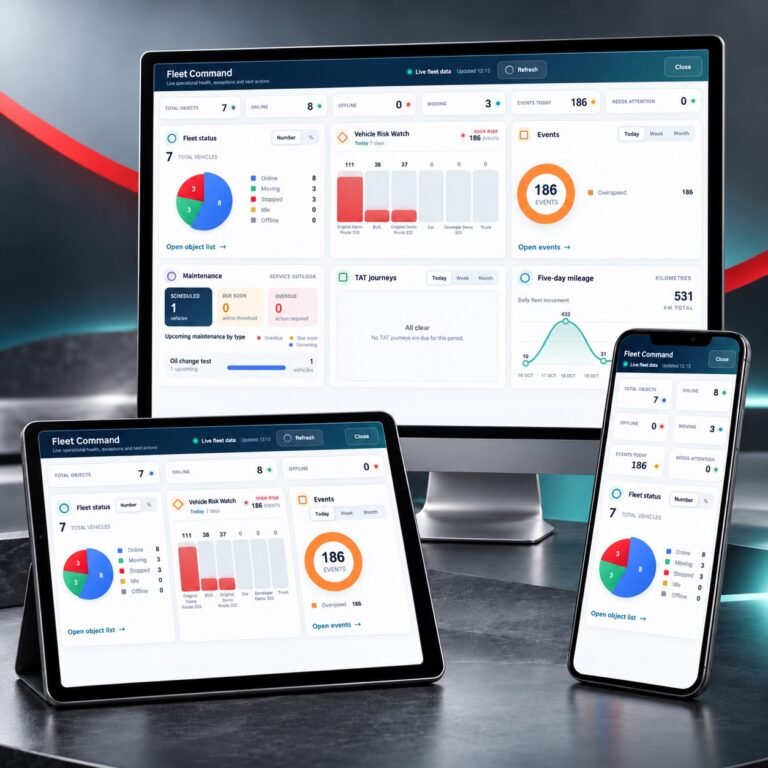 Tracking software
Ciska IQ AI Tracking Platform
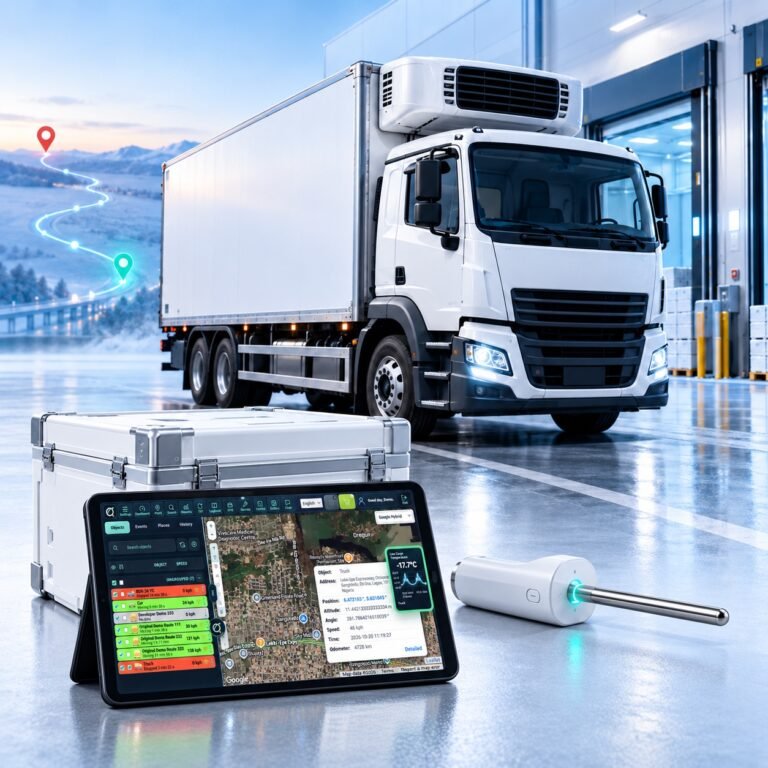 Cold-chain monitoring
Ciska Cold
₦265,000.00View Ciska Cold → Bike and delivery tracking
Ciska Dispatch
₦70,000.00View Ciska Dispatch → Marine tracking
Ciska Boats
₦80,000.00View Ciska Boats →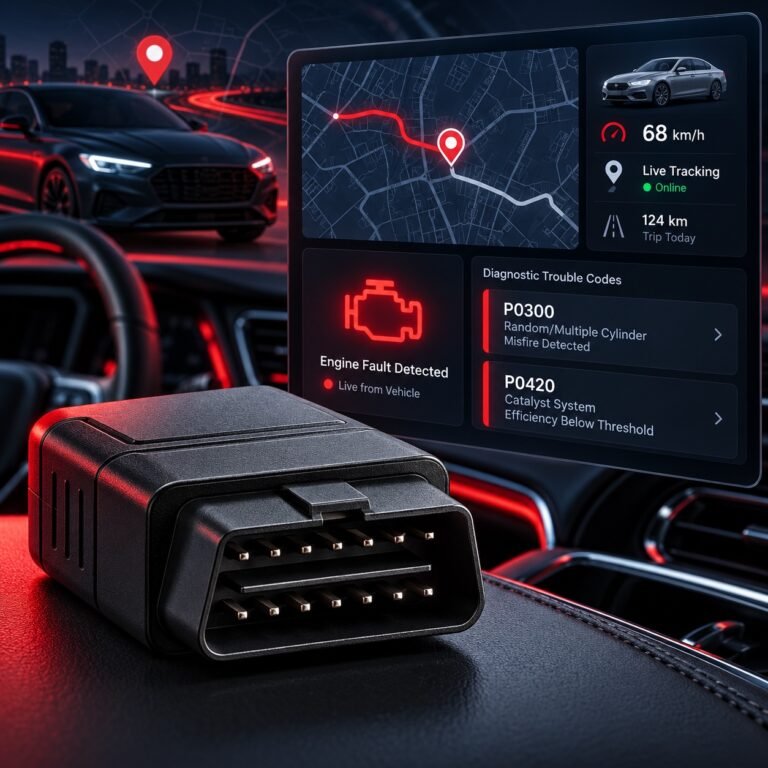 Diagnostics and driver ID
Ciska OBD-II + RFID
₦140,000.00View Ciska OBD-II + RFID →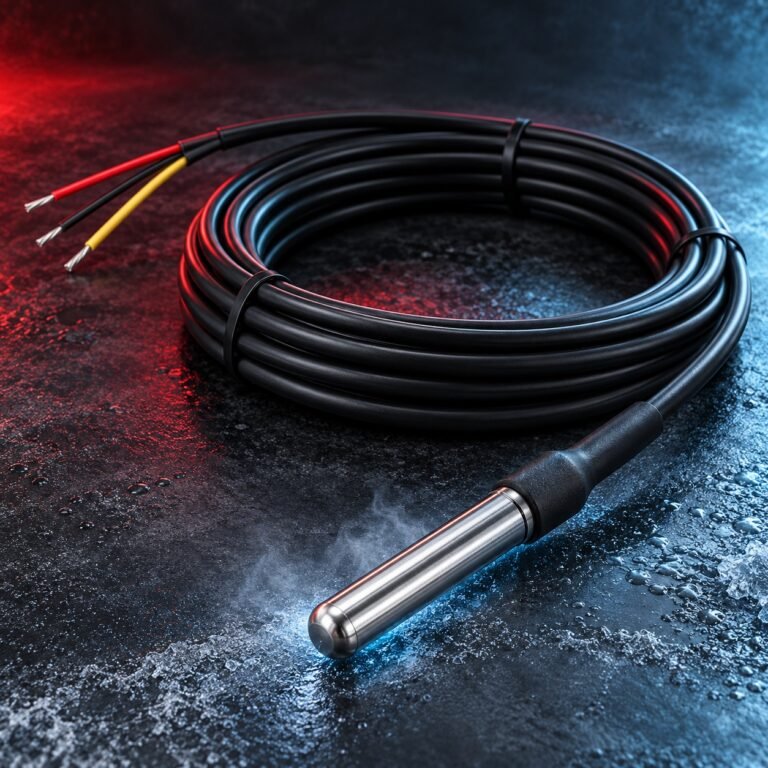 Temperature sensing
Ciska Temperature Probe
₦55,000.00View Ciska Temperature Probe →