
No products in the cart.

Quick answer: Cold-chain monitoring becomes operational when the right person receives the right alert early enough to act. Temperature, door, stop and route events describe different kinds of risk. Combining them carefully can reveal whether an exception is related to loading, security, refrigeration or journey delay.
What you will learn
Design temperature thresholds with context
A single threshold may create too many alerts during normal loading or defrost cycles. Consider warning and critical levels, minimum duration and different requirements for each cargo type.
Quality teams should approve the rules. Operations can then define who receives the first notification and when the issue escalates.
- Product-specific limits
- Warning and critical thresholds
- Duration before alerting
- Escalation timing
Use door events to explain exposure
Door-open data can show when cargo access occurred and how long the door remained open. Combined with location, it helps distinguish authorised delivery activity from unexpected access.
Not every door event is a security incident. Loading, inspection and customer delivery may be legitimate, so rules should account for approved locations and schedules.
- Approved loading zones
- Maximum open duration
- After-hours access
- Door activity outside planned stops
Detect route and stop exceptions
Route deviation or an extended unscheduled stop can increase delivery time and temperature risk. A geofence or route rule can notify dispatch when a vehicle leaves the expected operating corridor.
Response should begin with confirmation. Traffic, road closures and safety concerns may justify a change, while unexplained detours may require escalation.
- Expected route corridor
- Maximum stop duration
- Safe alternative routes
- Driver communication procedure
Build one cold-chain incident timeline
During investigation, combine temperature, door, location, stop and communication records in chronological order. This helps the team identify the most likely cause and evaluate the effectiveness of the response.
Ciska IQ can provide the connected tracking context for this review. Consistent incident documentation supports customer communication and improvement of future journeys.
- Event chronology
- People notified
- Corrective action
- Cargo disposition
- Preventive improvement
A practical action plan
Map the journey from loading to delivery and identify where delay, access or environmental change creates risk. Validate sensor placement, define escalation contacts and test alerts under realistic conditions before relying on them for sensitive cargo.
- Design temperature thresholds with context: Product-specific limits
- Use door events to explain exposure: Approved loading zones
- Detect route and stop exceptions: Expected route corridor
- Build one cold-chain incident timeline: Event chronology
Ciska Cold, Ciska Dispatch and Ciska IQ combine route visibility with operational events. That connected record helps teams respond during the journey and conduct a more accurate review afterward.
Frequently asked questions
Why use an alert delay?
A short validated delay can prevent nuisance alarms from normal brief changes while still identifying sustained risk.
Can route deviation be detected without a fixed route?
Geofences and approved-area rules can still identify unusual movement even when exact routes vary.
Who should receive cold-chain alerts?
Recipients usually include operations and quality personnel with authority to respond, plus escalation contacts for unresolved events.
Take the next step with Ciska
This guide becomes more useful when the ideas are connected to the right hardware, installation and tracking software. For this topic, start with Ciska Cold.
Continue reading
Choose connected hardware and Ciska IQ software for cars, fleets, delivery bikes, cold cargo and inland vessels. Live tracking, journey history, geofences and smart security alerts. Fleet visibility, driver insight, operational alerts and business reporting. Multi-customer fleet intelligence for tracking companies and enterprise teams. Location and temperature visibility for food, medicine and sensitive cargo. Compact GPS tracking for dispatch bikes and last-mile delivery fleets. Route history, location visibility and operating-area alerts for inland vessels. Vehicle diagnostics with authorised-driver identification and accountability. A connected probe for reliable cold-chain and sensitive-cargo temperature data.Explore the Ciska ecosystem View all products →One tracking family. Every kind of movement.
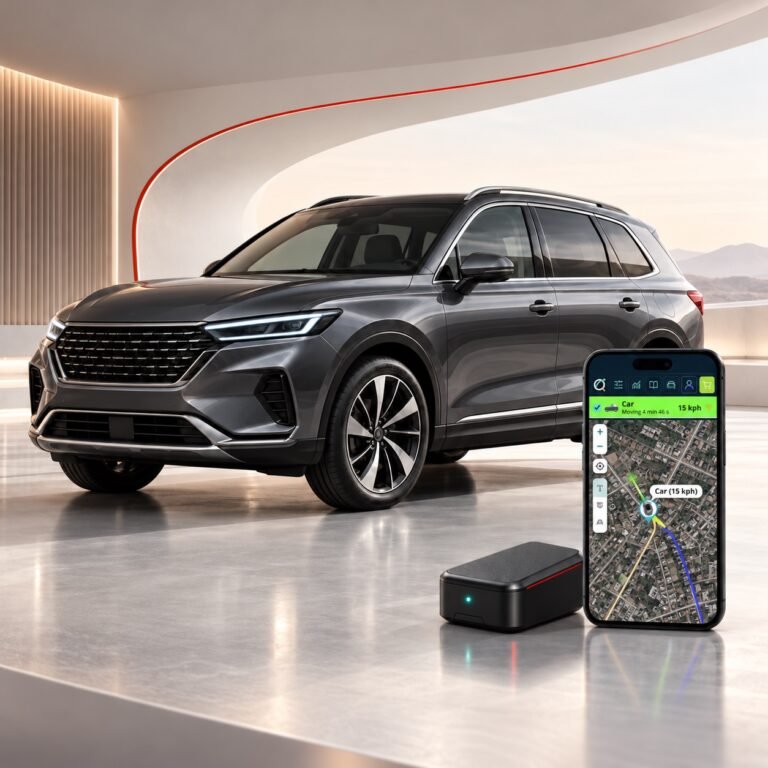 Personal vehicle protection
Ciska Hybrid Pro
₦80,000.00View Ciska Hybrid Pro →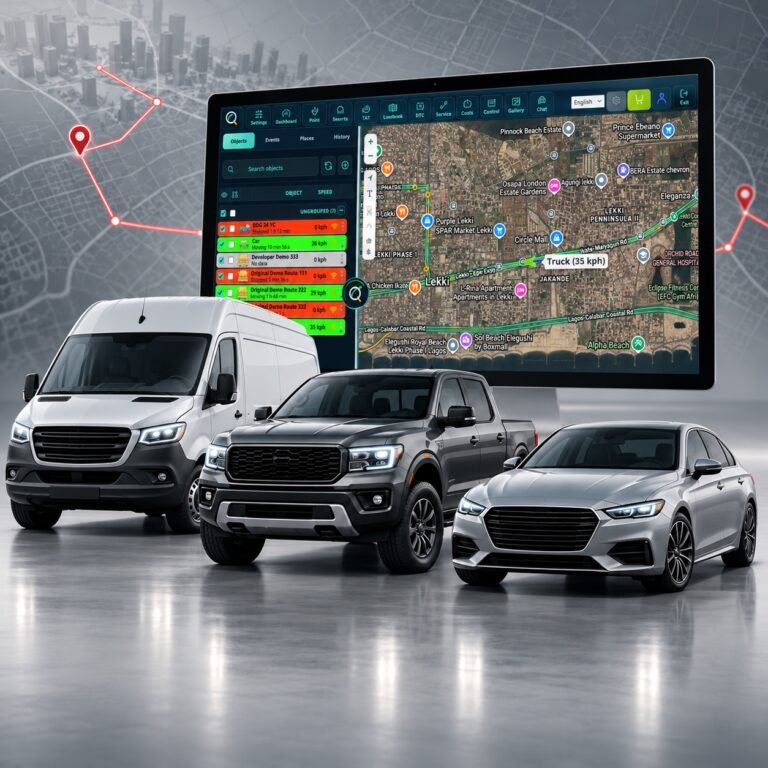 Fleet operations
Ciska Fleet Pro
₦85,000.00View Ciska Fleet Pro →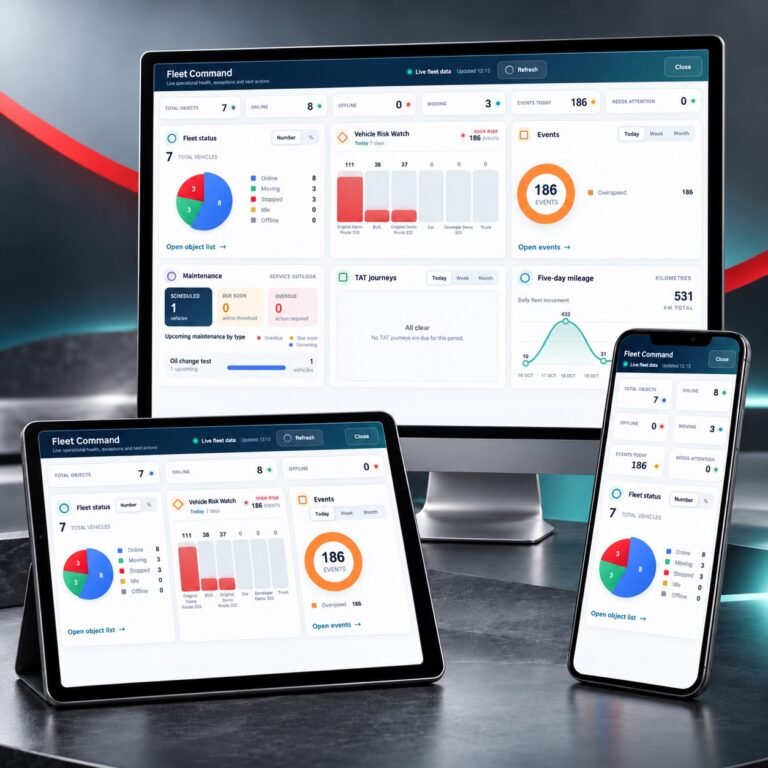 Tracking software
Ciska IQ AI Tracking Platform
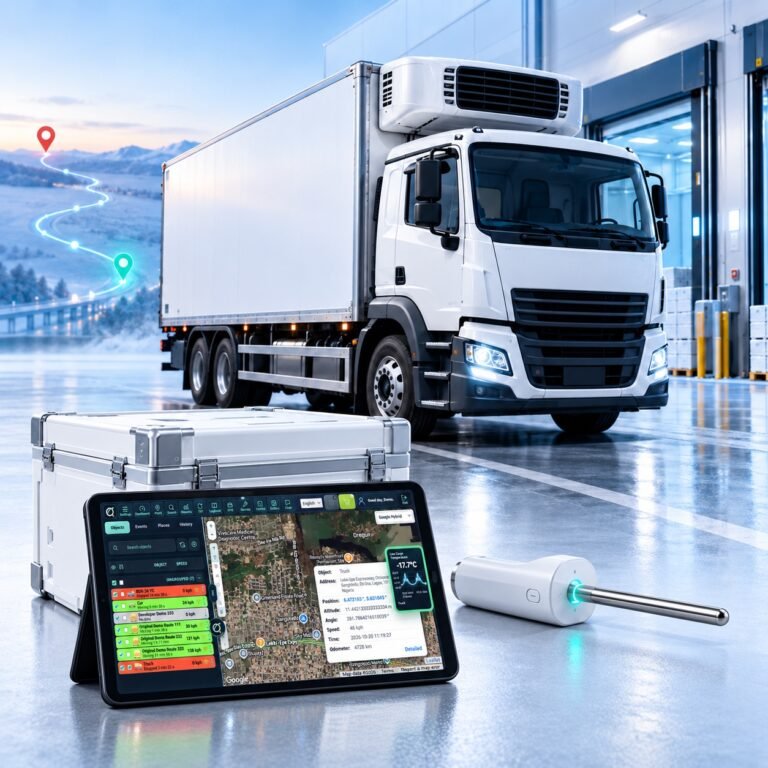 Cold-chain monitoring
Ciska Cold
₦265,000.00View Ciska Cold →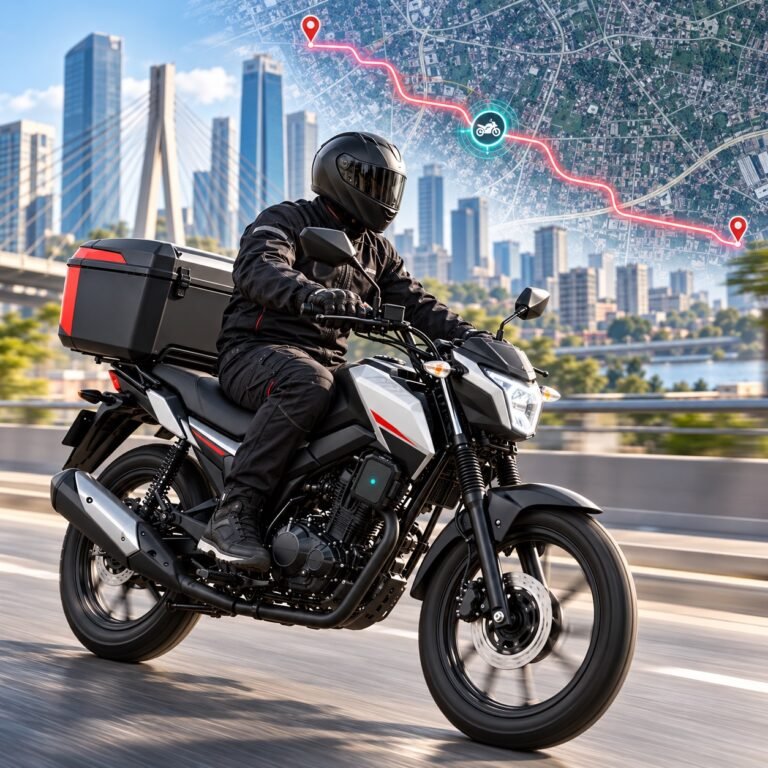 Bike and delivery tracking
Ciska Dispatch
₦70,000.00View Ciska Dispatch → Marine tracking
Ciska Boats
₦80,000.00View Ciska Boats →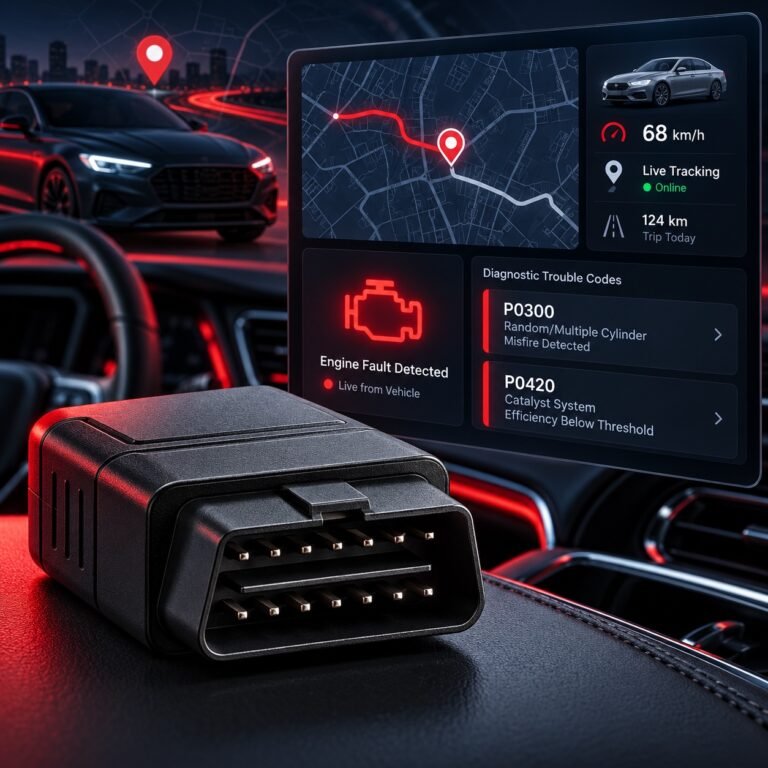 Diagnostics and driver ID
Ciska OBD-II + RFID
₦140,000.00View Ciska OBD-II + RFID →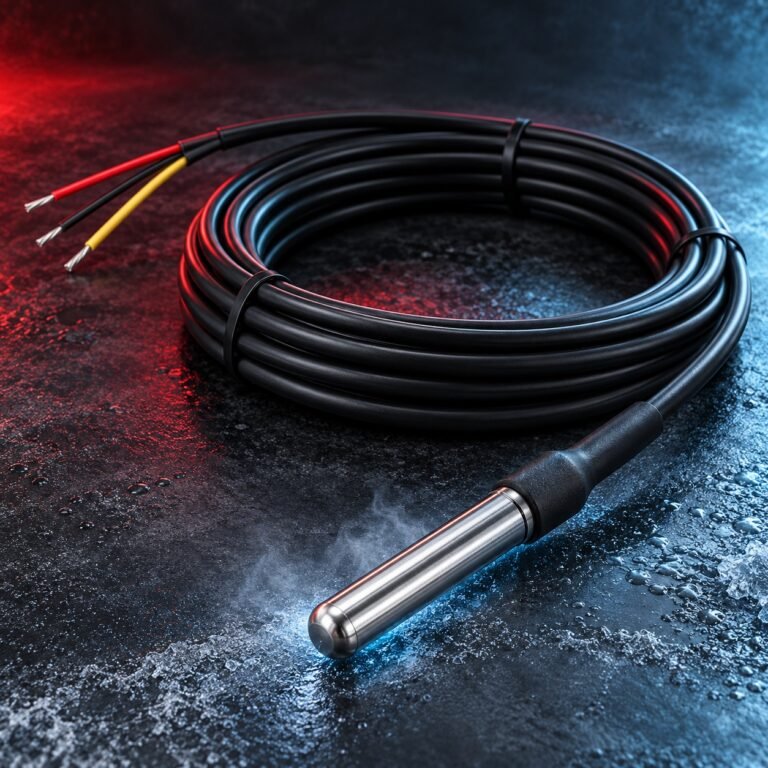 Temperature sensing
Ciska Temperature Probe
₦55,000.00View Ciska Temperature Probe →