No products in the cart.
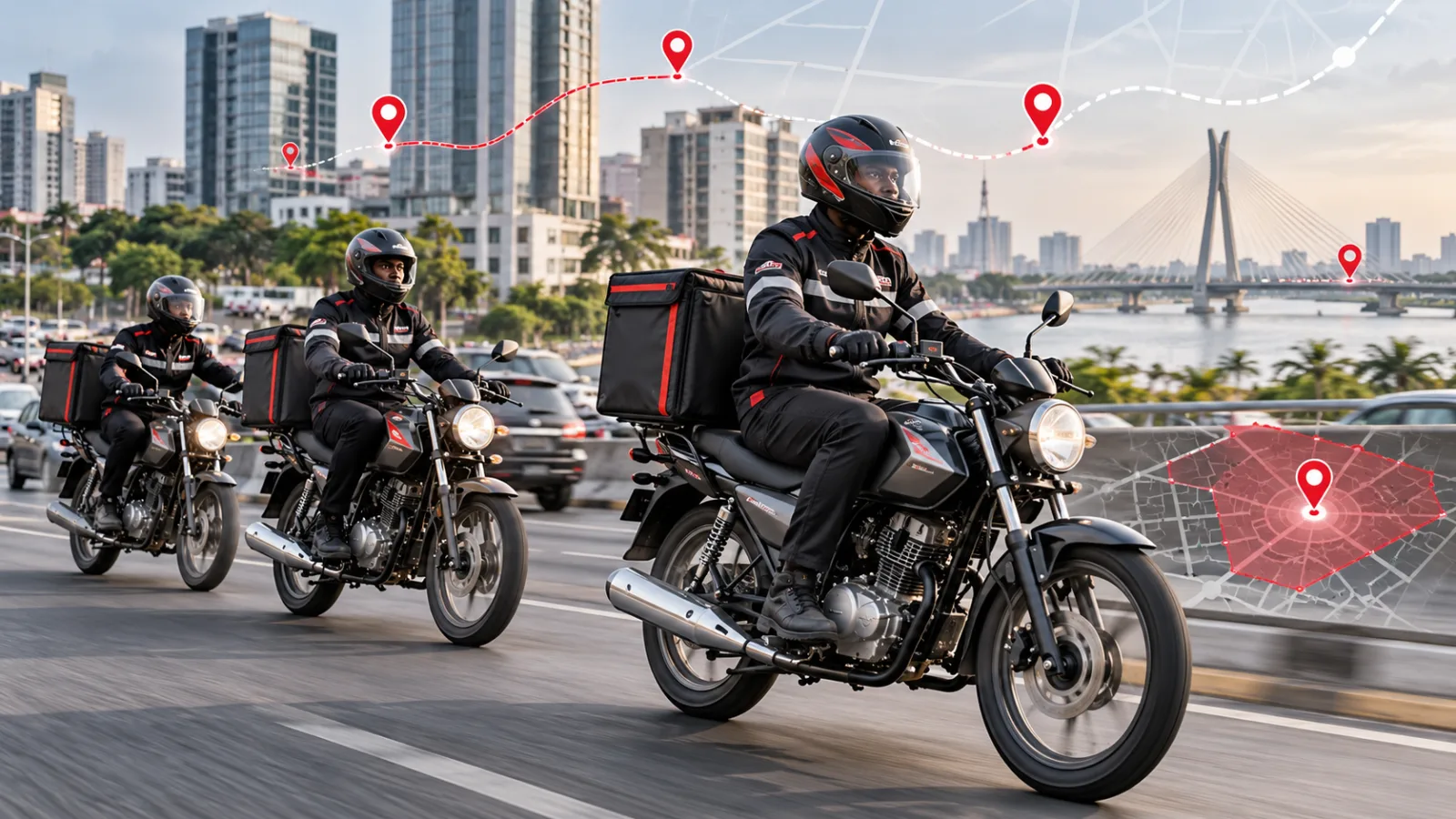
Quick answer: Last-mile delivery is a high-frequency operation. Riders make many short journeys, customer expectations change quickly and small delays can affect an entire schedule. GPS tracking gives dispatch teams a shared view of movement and history so coordination depends less on repeated phone calls.
What you will learn
Improve dispatch visibility
A live operations view helps dispatchers see which riders are moving, stopped or available near a new assignment. This can reduce blind allocation and unnecessary travel.
Location should support communication, not replace it. The dispatcher still needs order status, rider capacity and customer information to make a good assignment.
- Current rider location
- Last completed stop
- Nearby assignments
- Unusual inactivity
Use journey history for service evidence
Journey records can help answer when a rider left, which route was taken and when the bike arrived near a destination. This is useful when investigating missed deliveries, delays or route disputes.
Combine tracking with proof-of-delivery processes rather than treating location as final proof that an item reached the correct recipient.
- Departure and arrival time
- Route and stop history
- Customer communication record
- Proof of delivery
Support rider safety and asset protection
Movement, ignition, geofence and speed-related events can support security and coaching. Policies should explain what is monitored and how information is used.
During a suspected theft or emergency, follow an escalation procedure involving the provider and appropriate authorities. Do not direct staff into unsafe recovery actions.
- After-hours movement alerts
- Approved operating zones
- Incident contacts
- Fair safety coaching
Measure the delivery operation
Review trips per rider, average journey time, long stops, route exceptions and vehicle availability. Use trends to improve territory design and scheduling while accounting for traffic and customer delays.
Ciska Dispatch and Ciska IQ can provide the connected visibility required for a disciplined last-mile operation.
- Daily exceptions
- Weekly rider and route review
- Maintenance planning for high-use bikes
- Customer-service improvement
A practical action plan
Start with the asset, environment and operating procedure rather than selecting a generic device. Confirm power, installation, communication, reporting frequency, authorised users and the exact action expected when an exception occurs.
- Improve dispatch visibility: Current rider location
- Use journey history for service evidence: Departure and arrival time
- Support rider safety and asset protection: After-hours movement alerts
- Measure the delivery operation: Daily exceptions
Ciska specialised tracking solutions connect bikes, vessels, OBD-enabled vehicles and other mobile assets with the Ciska IQ platform. Professional configuration and disciplined review turn the data into a reliable operating tool.
Frequently asked questions
Can GPS tracking confirm a delivery?
It can confirm that a rider reached a location, but businesses should also use an appropriate proof-of-delivery method.
Is tracking useful for a small dispatch team?
Yes. Even a few riders can benefit from clearer allocation, journey records and security alerts.
What should riders be told?
Explain what data is collected, why it is used, who can access it and how it supports safety and operations.
Take the next step with Ciska
This guide becomes more useful when the ideas are connected to the right hardware, installation and tracking software. For this topic, start with Ciska Dispatch.
Continue reading
Choose connected hardware and Ciska IQ software for cars, fleets, delivery bikes, cold cargo and inland vessels. Live tracking, journey history, geofences and smart security alerts. Fleet visibility, driver insight, operational alerts and business reporting. Multi-customer fleet intelligence for tracking companies and enterprise teams. Location and temperature visibility for food, medicine and sensitive cargo. Compact GPS tracking for dispatch bikes and last-mile delivery fleets. Route history, location visibility and operating-area alerts for inland vessels. Vehicle diagnostics with authorised-driver identification and accountability. A connected probe for reliable cold-chain and sensitive-cargo temperature data.Explore the Ciska ecosystem View all products →One tracking family. Every kind of movement.
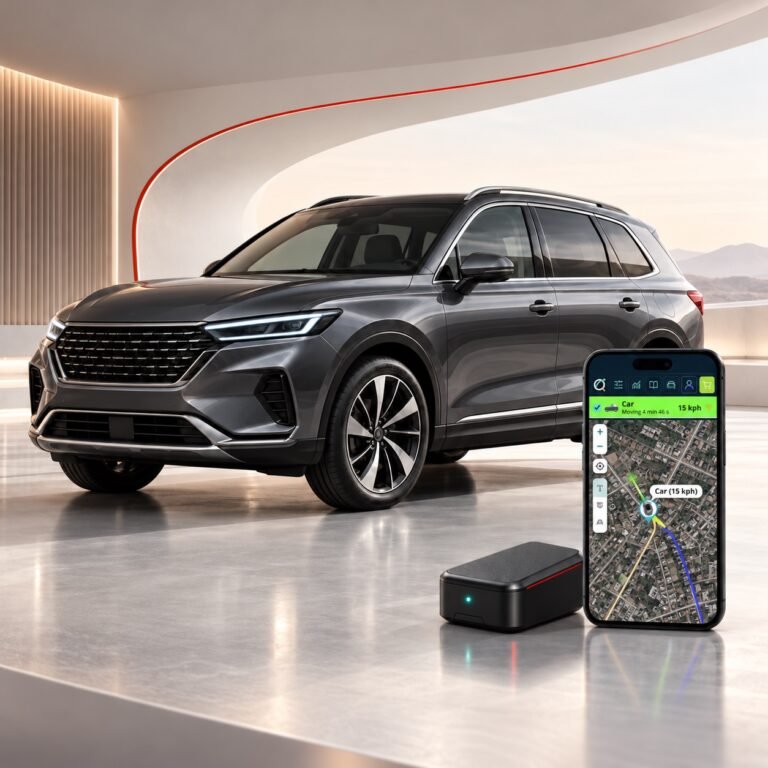 Personal vehicle protection
Ciska Hybrid Pro
₦80,000.00View Ciska Hybrid Pro →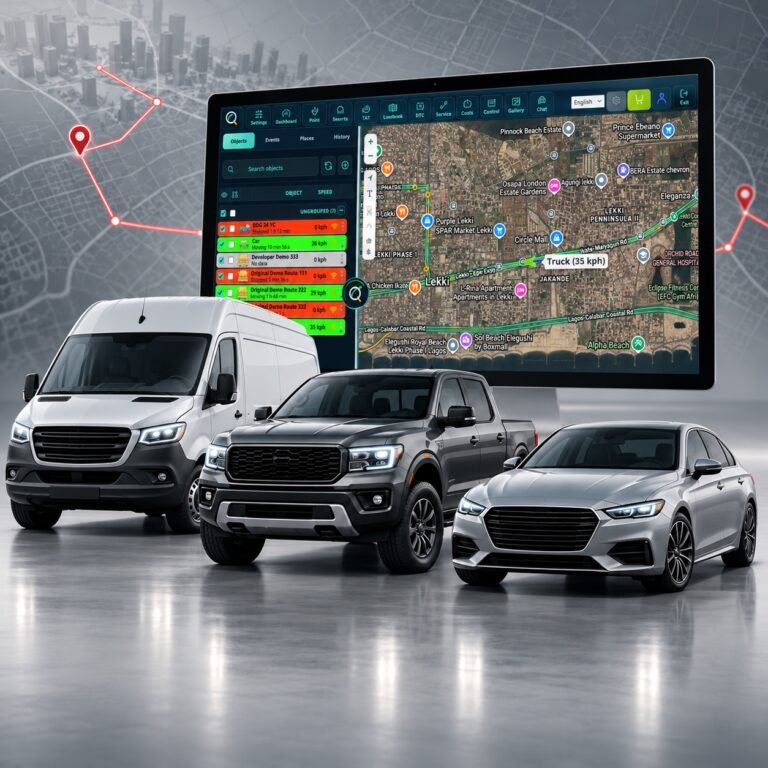 Fleet operations
Ciska Fleet Pro
₦85,000.00View Ciska Fleet Pro →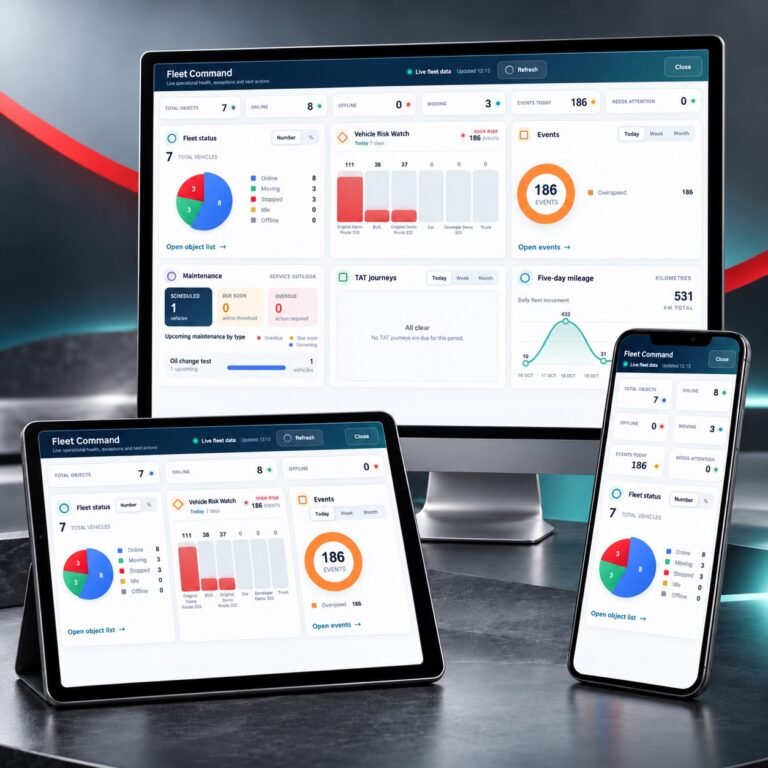 Tracking software
Ciska IQ AI Tracking Platform
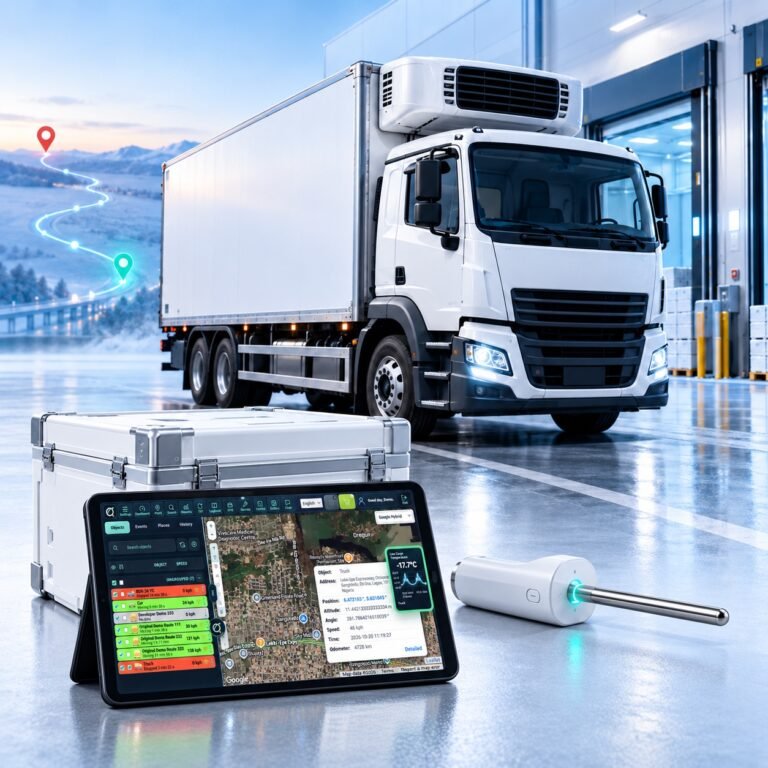 Cold-chain monitoring
Ciska Cold
₦265,000.00View Ciska Cold →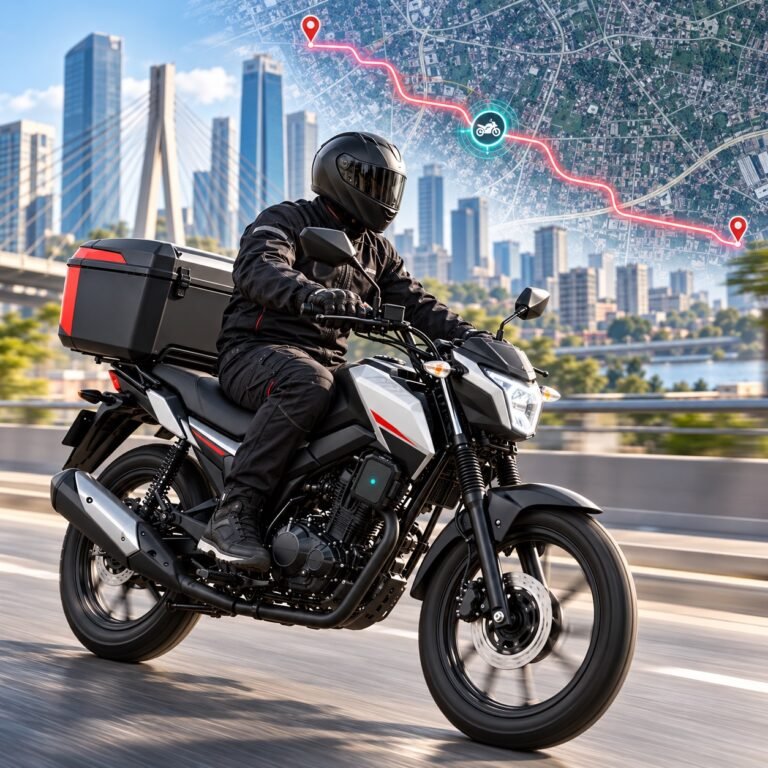 Bike and delivery tracking
Ciska Dispatch
₦70,000.00View Ciska Dispatch →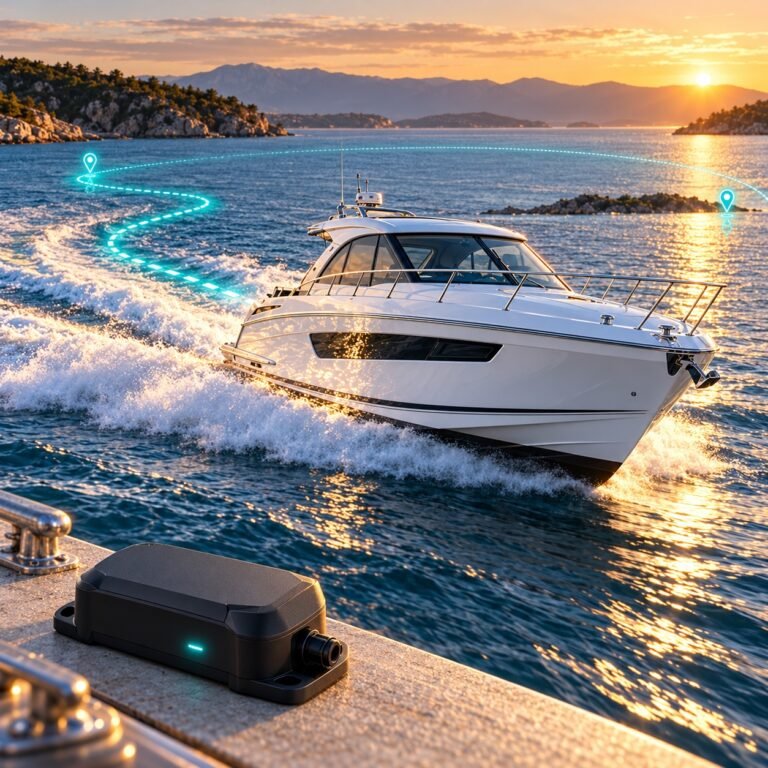 Marine tracking
Ciska Boats
₦80,000.00View Ciska Boats →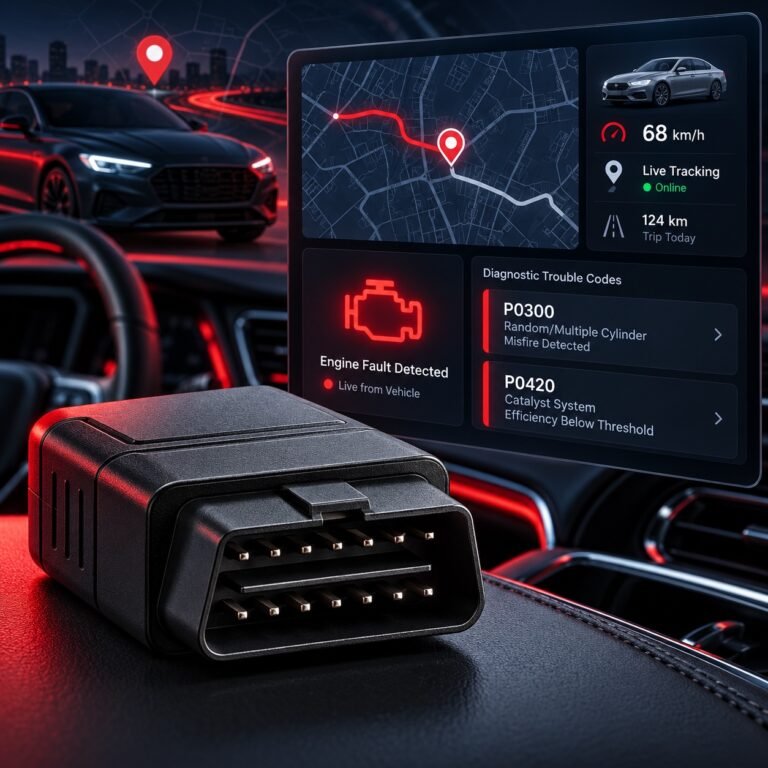 Diagnostics and driver ID
Ciska OBD-II + RFID
₦140,000.00View Ciska OBD-II + RFID →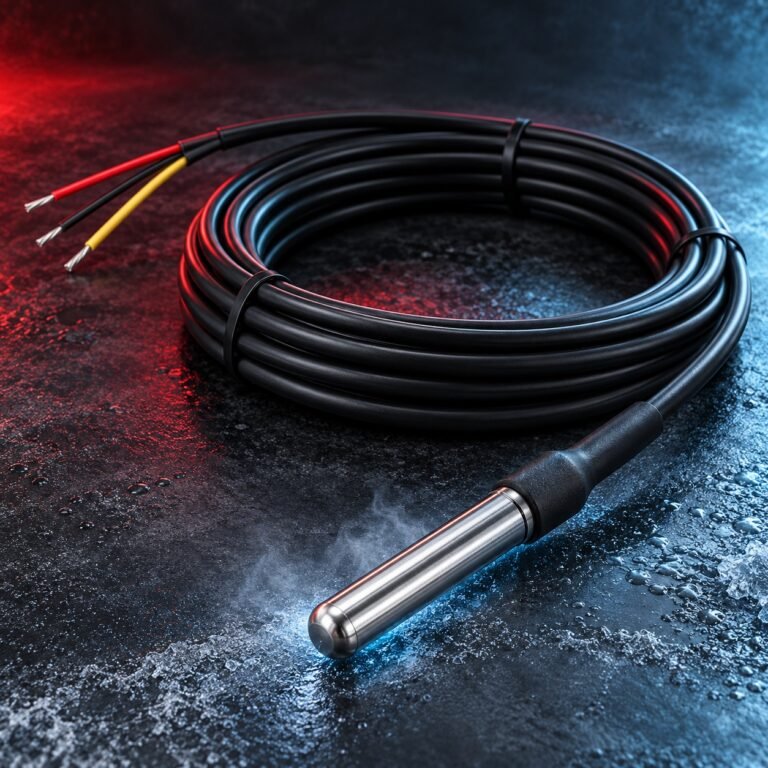 Temperature sensing
Ciska Temperature Probe
₦55,000.00View Ciska Temperature Probe →