No products in the cart.
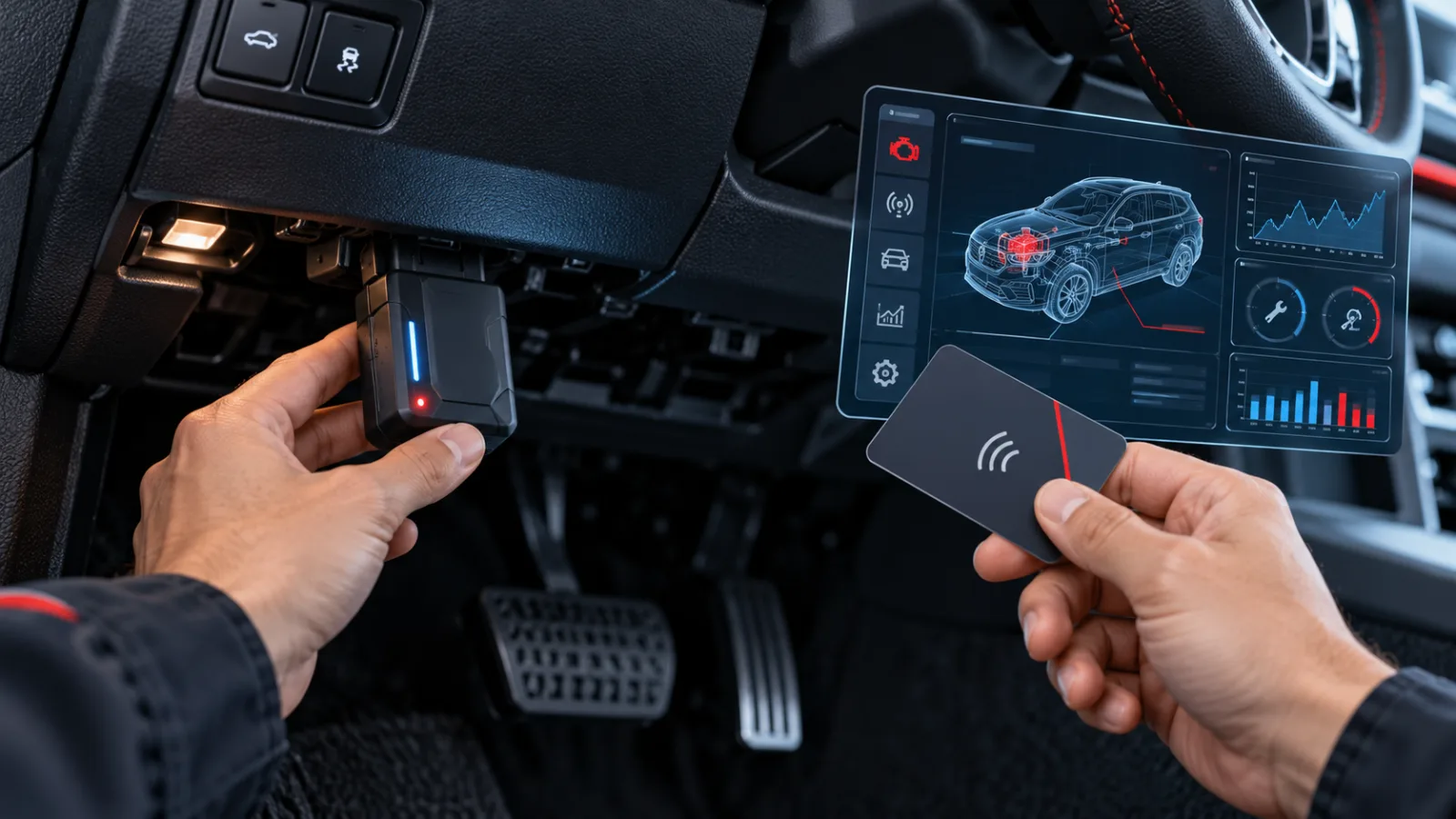
Quick answer: A vehicle’s location explains where it is; OBD-II data and RFID identification can add information about the vehicle and the person operating it. Used responsibly, this combination strengthens accountability, supports maintenance investigation and connects journeys with authorised drivers.
What you will learn
What OBD-II can contribute
The OBD-II port provides access to vehicle information that varies by make, model, year and device capability. Potential data may include diagnostic or operating parameters that help teams understand vehicle condition and use.
Compatibility should be verified before deployment. The presence of a port does not guarantee every desired parameter is available or interpreted identically across vehicles.
- Confirm vehicle compatibility
- Define the data actually required
- Test readings against known conditions
- Protect the installation
How RFID identifies the driver
An RFID tag or card can allow a driver to identify before operating a vehicle. This is useful where vehicles are shared and the business needs to associate journeys or events with the correct person.
Identification processes must be simple enough to follow every time. Lost cards, shared tags and ignored exceptions can quickly reduce data quality.
- Issue tags to named drivers
- Create lost-card procedures
- Review unidentified journeys
- Remove access promptly when roles change
Connect accountability with coaching
Driver identification makes behaviour reports more meaningful because the analysis follows the person rather than assuming one permanent driver per vehicle.
Use the information fairly. Confirm identity, route and operating context before coaching or disciplinary action, and give drivers a process to question incorrect records.
- Verify the driver association
- Compare similar work
- Document coaching and improvement
Plan deployment across a mixed fleet
Pilot several vehicle types before selecting one configuration for the entire fleet. Record compatibility, installation method, data quality and driver workflow.
Ciska OBD-II tracking with RFID can become part of a wider Ciska IQ operation, connecting identity, journeys and vehicle context in one reporting environment.
- Representative pilot
- Installation standard
- Driver training
- Exception review
A practical action plan
Start with the asset, environment and operating procedure rather than selecting a generic device. Confirm power, installation, communication, reporting frequency, authorised users and the exact action expected when an exception occurs.
- What OBD-II can contribute: Confirm vehicle compatibility
- How RFID identifies the driver: Issue tags to named drivers
- Connect accountability with coaching: Verify the driver association
- Plan deployment across a mixed fleet: Representative pilot
Ciska specialised tracking solutions connect bikes, vessels, OBD-enabled vehicles and other mobile assets with the Ciska IQ platform. Professional configuration and disciplined review turn the data into a reliable operating tool.
Frequently asked questions
Will OBD-II provide the same data on every vehicle?
No. Available data varies by vehicle and device, so compatibility and required parameters should be tested.
Can drivers share RFID cards?
They should not. Shared cards undermine identity accuracy and accountability.
Does RFID replace user permissions in the software?
No. Driver identification and software-account permissions serve different purposes and should both be managed.
Take the next step with Ciska
This guide becomes more useful when the ideas are connected to the right hardware, installation and tracking software. For this topic, start with Ciska OBD-II + RFID.
Continue reading
Choose connected hardware and Ciska IQ software for cars, fleets, delivery bikes, cold cargo and inland vessels. Live tracking, journey history, geofences and smart security alerts. Fleet visibility, driver insight, operational alerts and business reporting. Multi-customer fleet intelligence for tracking companies and enterprise teams. Location and temperature visibility for food, medicine and sensitive cargo. Compact GPS tracking for dispatch bikes and last-mile delivery fleets. Route history, location visibility and operating-area alerts for inland vessels. Vehicle diagnostics with authorised-driver identification and accountability. A connected probe for reliable cold-chain and sensitive-cargo temperature data.Explore the Ciska ecosystem View all products →One tracking family. Every kind of movement.
 Personal vehicle protection
Ciska Hybrid Pro
₦80,000.00View Ciska Hybrid Pro →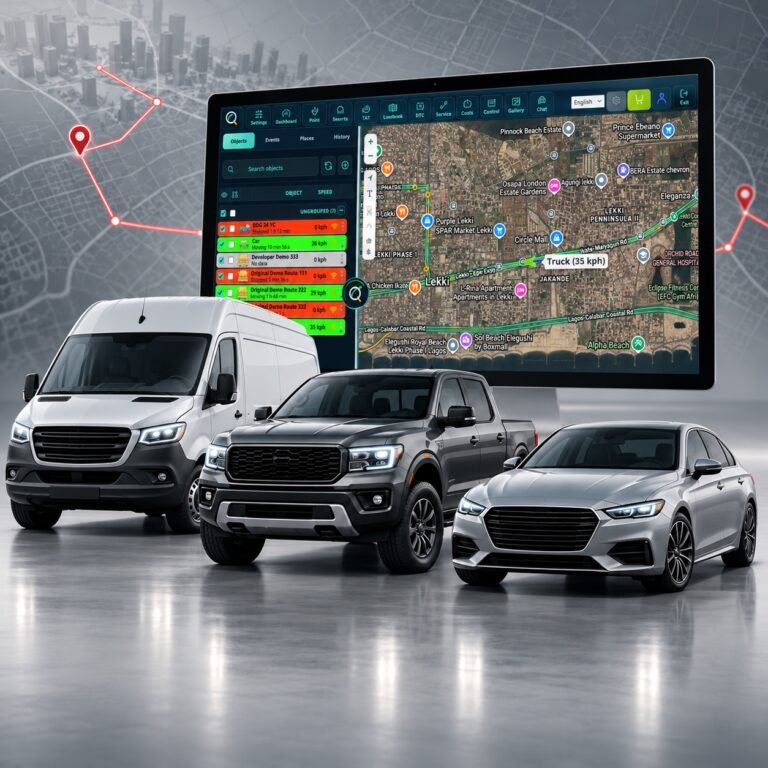 Fleet operations
Ciska Fleet Pro
₦85,000.00View Ciska Fleet Pro →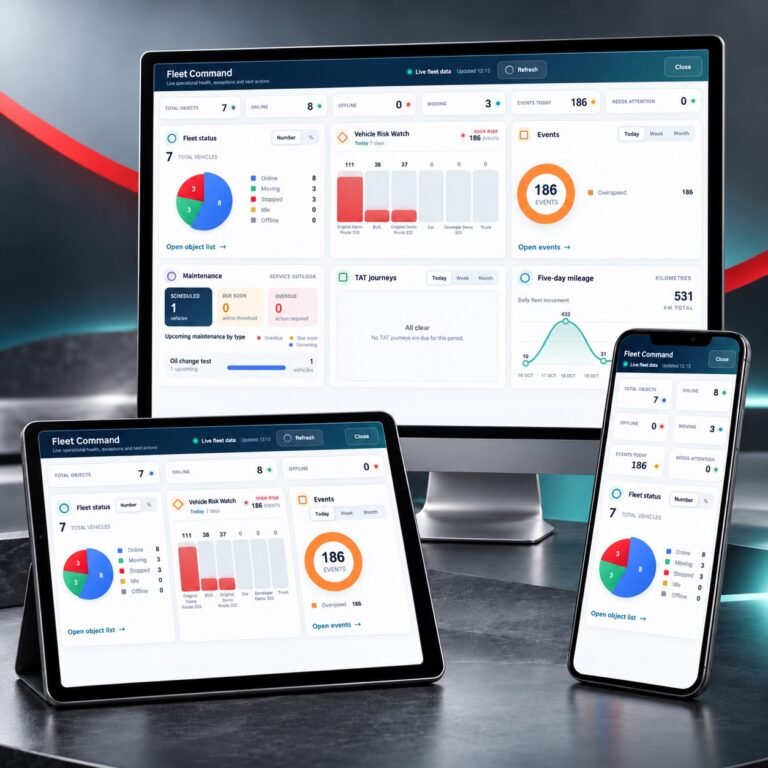 Tracking software
Ciska IQ AI Tracking Platform
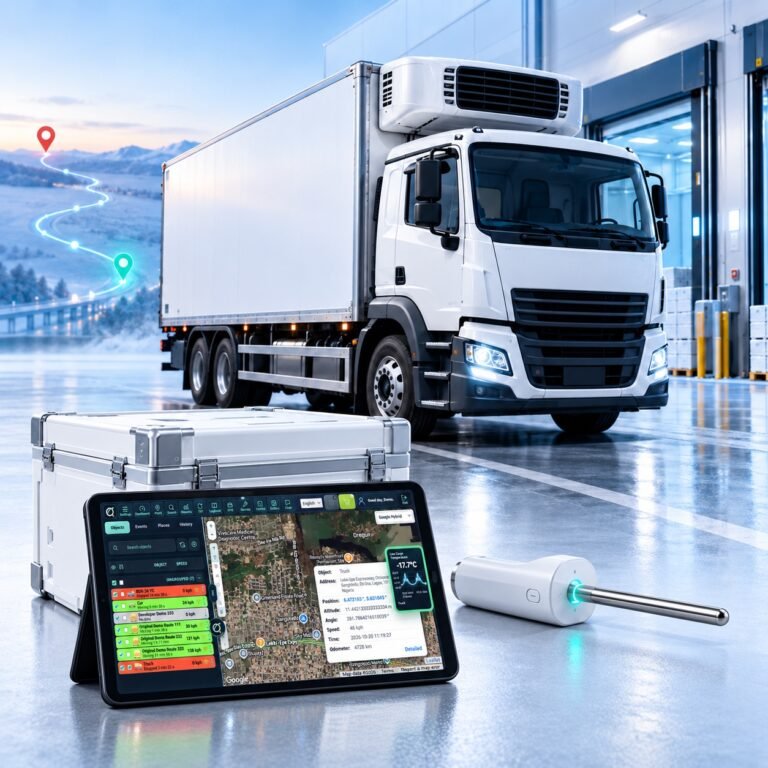 Cold-chain monitoring
Ciska Cold
₦265,000.00View Ciska Cold →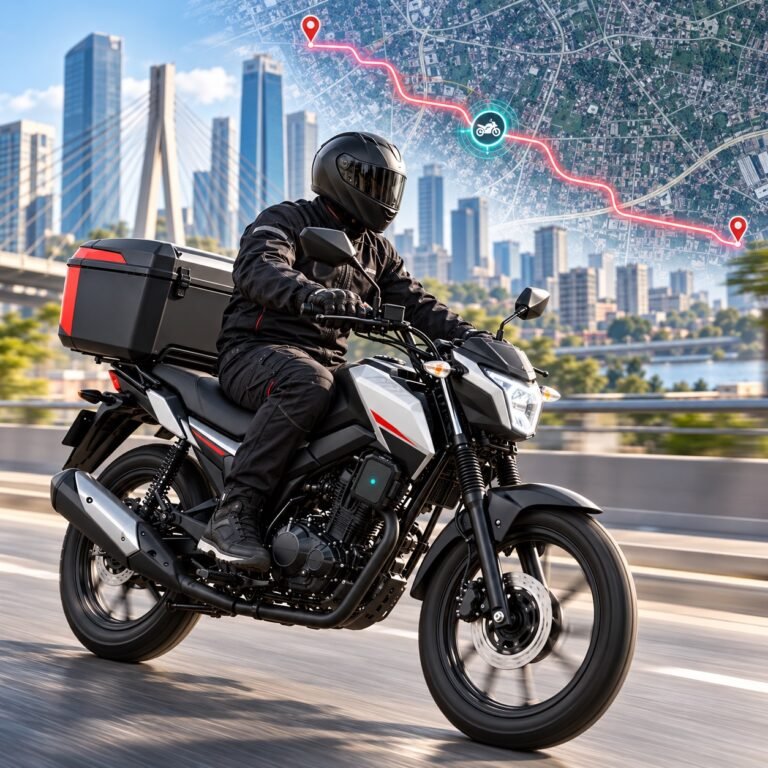 Bike and delivery tracking
Ciska Dispatch
₦70,000.00View Ciska Dispatch →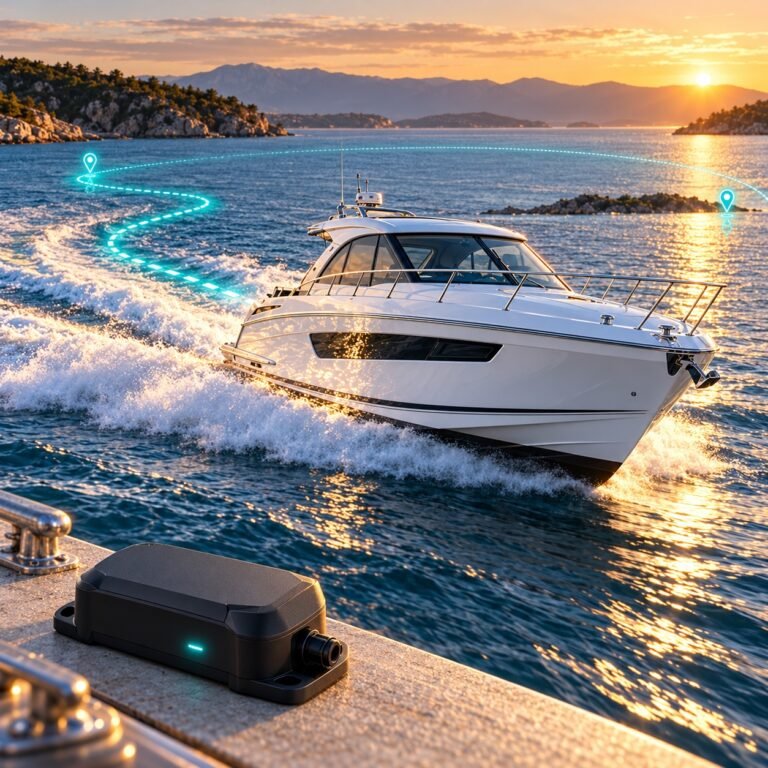 Marine tracking
Ciska Boats
₦80,000.00View Ciska Boats →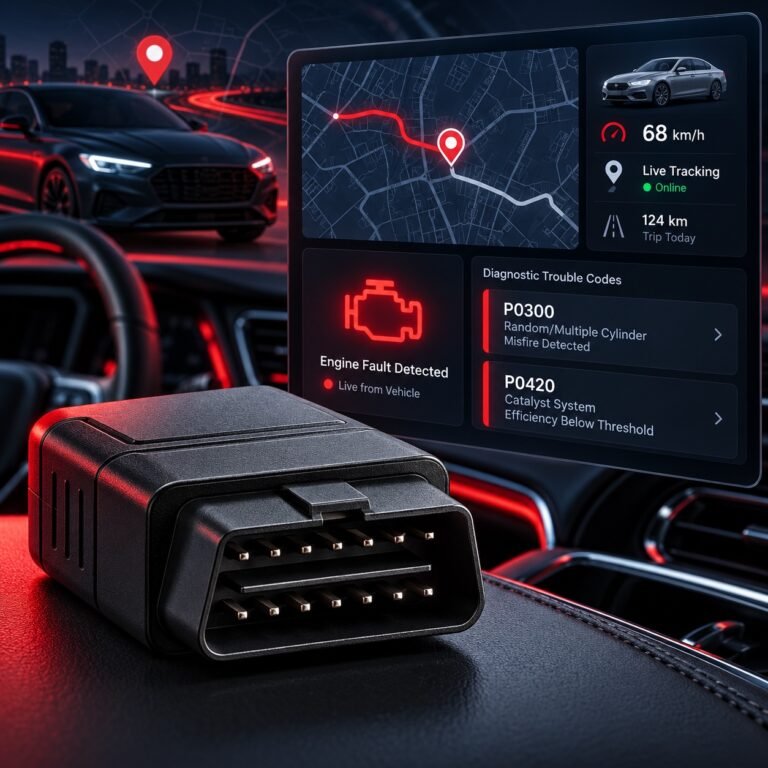 Diagnostics and driver ID
Ciska OBD-II + RFID
₦140,000.00View Ciska OBD-II + RFID →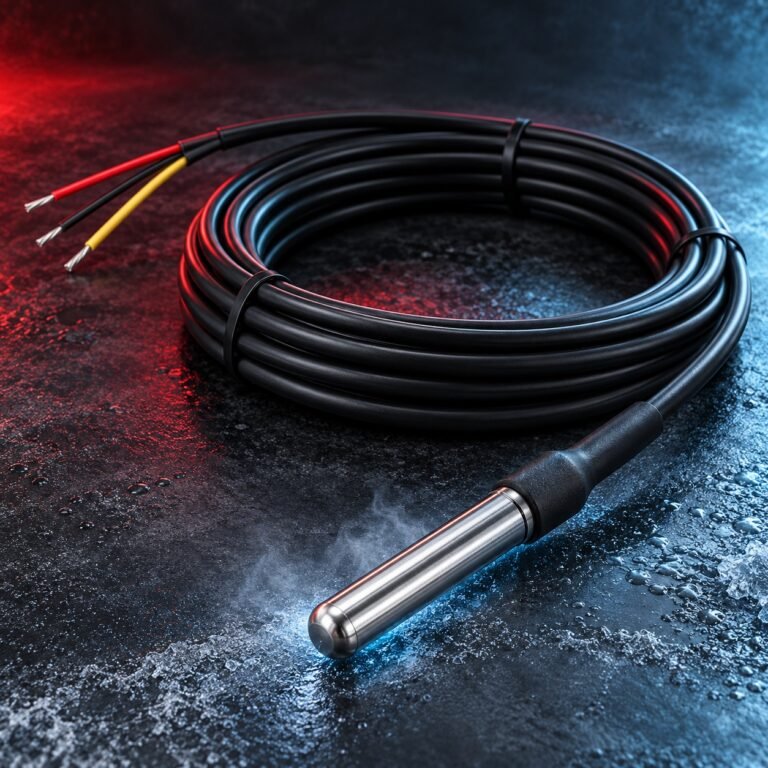 Temperature sensing
Ciska Temperature Probe
₦55,000.00View Ciska Temperature Probe →