
No products in the cart.

Quick answer: Cold-chain failure can damage a shipment before anyone sees a visible problem. Temperature monitoring adds evidence and early warning to refrigerated transport, helping operators protect product quality, investigate exceptions and demonstrate how cargo was handled throughout a journey.
What you will learn
Understand the complete temperature journey
A single reading at dispatch or delivery cannot describe what happened in transit. Continuous or frequent monitoring shows when temperature changed, how long it remained outside the accepted range and where the vehicle was at the time.
That timeline helps teams distinguish a brief door-opening event from a refrigeration fault or prolonged delay. The required limits should come from product, regulatory and quality requirements.
- Approved temperature range
- Time outside range
- Location of the exception
- Recovery after the event
Place sensors and probes correctly
Sensor placement affects readings. Airflow, proximity to doors, direct contact with cooling surfaces and cargo arrangement can all influence the recorded temperature.
Installation and loading procedures should be documented and validated for the vehicle type. A technically accurate sensor can still produce an unhelpful result if it measures the wrong part of the cargo environment.
- Validated sensor position
- Protected wiring or mounting
- Calibration and testing plan
- Loading guidance
Create actionable escalation rules
An alert should reach someone who can intervene. Define warning and critical thresholds, delay periods that prevent nuisance alarms and contacts for drivers, dispatchers, quality teams and customers.
The response may include checking a door, adjusting refrigeration, moving the vehicle or quarantining cargo for review. Document the action and outcome.
- Named alert owner
- Clear response time
- Escalation contacts
- Exception record
Combine temperature with route visibility
Location and journey data explains whether a temperature event occurred during loading, traffic, an unauthorised stop or delivery. This combined view is more useful than an isolated temperature chart.
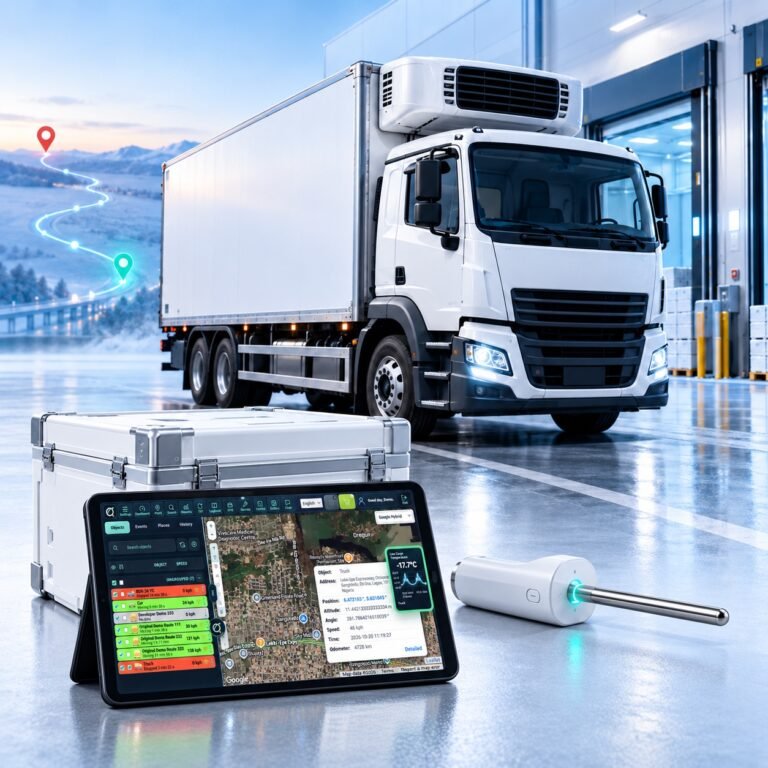
Ciska Cold and Ciska IQ bring environmental and route information together, supporting real-time response and post-journey reporting for sensitive operations.
- Live route and temperature view
- Door and stop context
- Journey report
- Continuous improvement review
A practical action plan
Map the journey from loading to delivery and identify where delay, access or environmental change creates risk. Validate sensor placement, define escalation contacts and test alerts under realistic conditions before relying on them for sensitive cargo.
- Understand the complete temperature journey: Approved temperature range
- Place sensors and probes correctly: Validated sensor position
- Create actionable escalation rules: Named alert owner
- Combine temperature with route visibility: Live route and temperature view
Ciska Cold, Ciska Dispatch and Ciska IQ combine route visibility with operational events. That connected record helps teams respond during the journey and conduct a more accurate review afterward.
Frequently asked questions
What products may need cold-chain monitoring?
Examples include food, beverages, pharmaceuticals, vaccines, laboratory materials and other temperature-sensitive goods.
Does a temperature alert prove cargo is damaged?
Not by itself. Quality teams should assess duration, product requirements, sensor placement and other evidence.
How often should probes be checked?
Follow manufacturer, regulatory and quality-system requirements for inspection, testing and calibration.
Take the next step with Ciska
This guide becomes more useful when the ideas are connected to the right hardware, installation and tracking software. For this topic, start with Ciska Cold.
Continue reading
Choose connected hardware and Ciska IQ software for cars, fleets, delivery bikes, cold cargo and inland vessels. Live tracking, journey history, geofences and smart security alerts. Fleet visibility, driver insight, operational alerts and business reporting. Multi-customer fleet intelligence for tracking companies and enterprise teams. Location and temperature visibility for food, medicine and sensitive cargo. Compact GPS tracking for dispatch bikes and last-mile delivery fleets. Route history, location visibility and operating-area alerts for inland vessels. Vehicle diagnostics with authorised-driver identification and accountability. A connected probe for reliable cold-chain and sensitive-cargo temperature data.Explore the Ciska ecosystem View all products →One tracking family. Every kind of movement.
 Personal vehicle protection
Ciska Hybrid Pro
₦80,000.00View Ciska Hybrid Pro →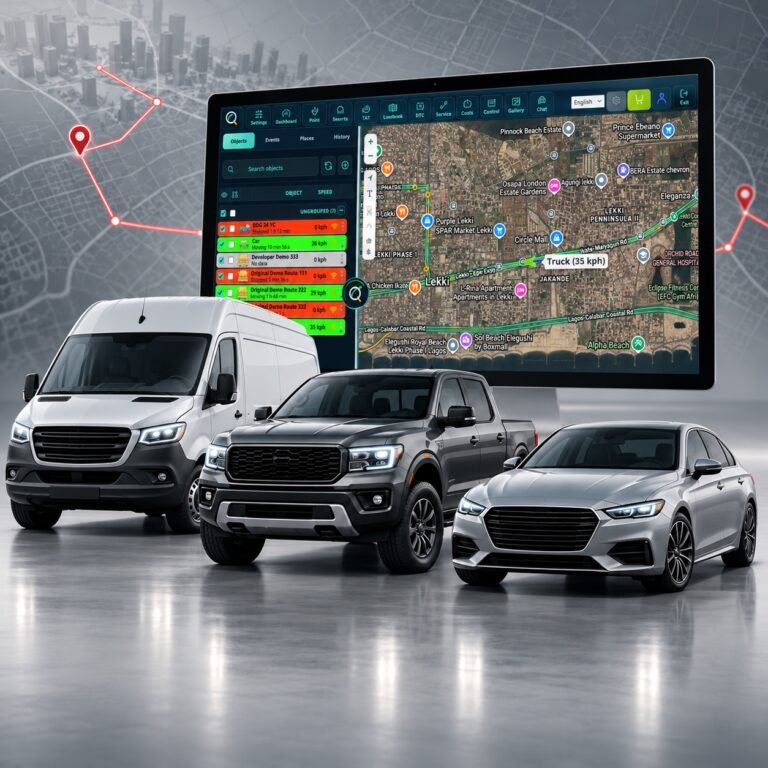 Fleet operations
Ciska Fleet Pro
₦85,000.00View Ciska Fleet Pro →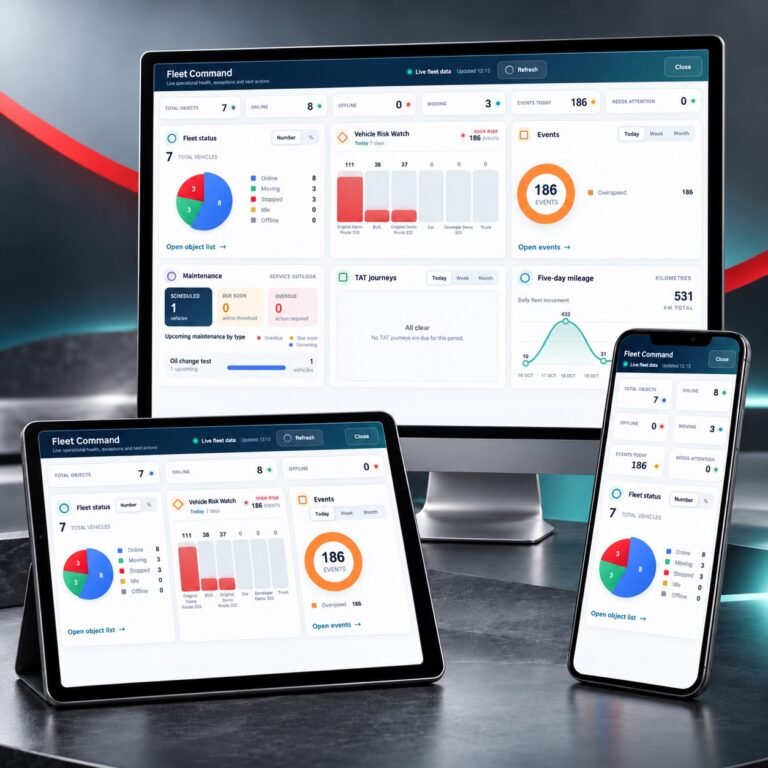 Tracking software
Ciska IQ AI Tracking Platform
 Cold-chain monitoring
Ciska Cold
₦265,000.00View Ciska Cold →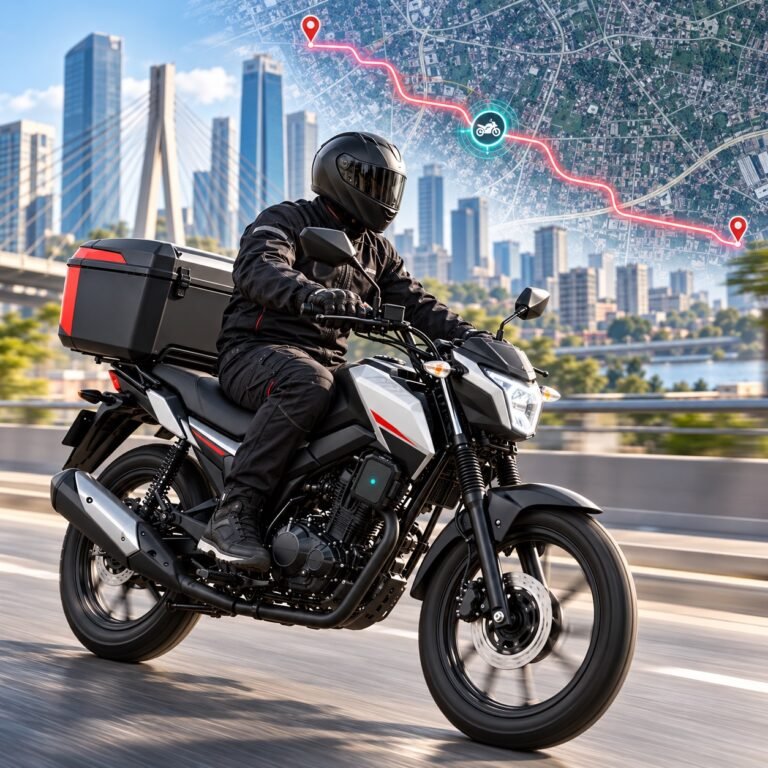 Bike and delivery tracking
Ciska Dispatch
₦70,000.00View Ciska Dispatch → Marine tracking
Ciska Boats
₦80,000.00View Ciska Boats →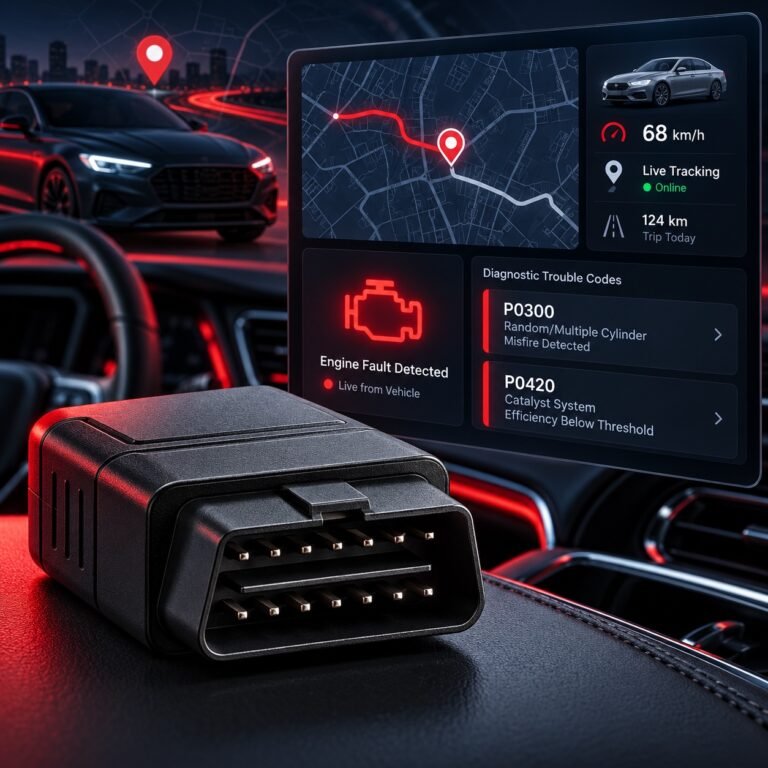 Diagnostics and driver ID
Ciska OBD-II + RFID
₦140,000.00View Ciska OBD-II + RFID →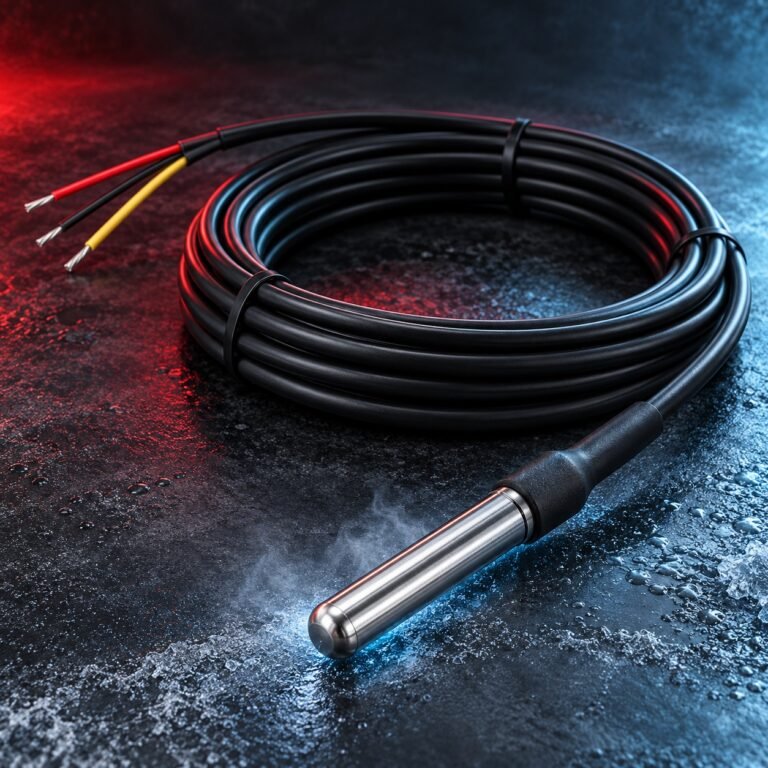 Temperature sensing
Ciska Temperature Probe
₦55,000.00View Ciska Temperature Probe →