
No products in the cart.

Quick answer: Preventive maintenance is a timing problem. Service too early and the business wastes parts and workshop time; service too late and a vehicle may fail during an important journey. Tracking data improves the schedule by showing how far, how often and under what conditions each vehicle is actually used.
What you will learn
Move beyond calendar-only servicing
Two vehicles purchased on the same day can accumulate very different mileage and workload. A fixed monthly reminder treats them as identical, while usage-informed maintenance responds to the distance and operating pattern of each asset.
Mileage, engine hours where available, journey frequency and operating environment can help determine which vehicles deserve earlier attention. Manufacturer guidance should remain the foundation, supported by actual fleet data.
- Mileage-based service intervals
- Time-based checks for low-use vehicles
- Operating-condition adjustments
- Inspection after unusual events
Create one maintenance record per vehicle
Every asset should have a consistent identity across tracking, workshop and finance records. The file should include service dates, odometer readings, reported faults, parts replaced, downtime and the next planned action.
Clean records allow managers to identify recurring faults and compare the cost of keeping an older vehicle with the cost of replacement. They also reduce confusion when vehicles move between branches or drivers.
- Standard vehicle naming
- Service and repair history
- Next-due date or mileage
- Downtime and cost records
Connect driver reports with telematics
Drivers often notice vibration, warning lights or changes in performance before a dashboard does. Provide a simple fault-reporting process and compare those reports with journey and event information.
The aim is early investigation. Repeated harsh events, unusual inactivity or changes in utilisation may justify a mechanical check, but telematics should guide inspection rather than diagnose a fault on its own.
- Encourage immediate fault reporting
- Review vehicle activity around the complaint
- Close the loop with the driver after repair
Measure availability, not just repair cost
A cheap repair is not cheap if the vehicle returns to the workshop repeatedly or misses revenue-producing work. Track planned versus unplanned downtime, repeat faults, maintenance compliance and availability by vehicle type.
Ciska IQ operational reports can contribute usage and journey context to this review. When maintenance and operations share the same facts, the fleet can schedule work more intelligently and reduce disruption.
- Planned maintenance compliance
- Unplanned breakdown frequency
- Average downtime per repair
- Vehicle availability
A practical action plan
Begin with a representative group of vehicles and record a baseline before changing policy. Agree on the few measures the team will review, train the people responsible for action and hold a short weekly meeting that turns exceptions into documented improvements.
- Move beyond calendar-only servicing: Mileage-based service intervals
- Create one maintenance record per vehicle: Standard vehicle naming
- Connect driver reports with telematics: Encourage immediate fault reporting
- Measure availability, not just repair cost: Planned maintenance compliance
Ciska Fleet Pro and Ciska IQ connect current vehicle status with journeys, events and reports. That combination supports operations on the day and gives management a historical record for coaching, planning and performance review.
Frequently asked questions
Can GPS tracking replace a maintenance system?
No. Tracking data supports maintenance planning, but service records, inspections and qualified mechanical work are still required.
Which data is most useful for maintenance?
Mileage, utilisation, journey history, operating hours where available and records of unusual events can all provide context.
How can small fleets start?
Use a consistent vehicle register, record current mileage and next service requirements, then review the schedule weekly.
Take the next step with Ciska
This guide becomes more useful when the ideas are connected to the right hardware, installation and tracking software. For this topic, start with Ciska Fleet Pro.
Continue reading
Choose connected hardware and Ciska IQ software for cars, fleets, delivery bikes, cold cargo and inland vessels. Live tracking, journey history, geofences and smart security alerts. Fleet visibility, driver insight, operational alerts and business reporting. Multi-customer fleet intelligence for tracking companies and enterprise teams. Location and temperature visibility for food, medicine and sensitive cargo. Compact GPS tracking for dispatch bikes and last-mile delivery fleets. Route history, location visibility and operating-area alerts for inland vessels. Vehicle diagnostics with authorised-driver identification and accountability. A connected probe for reliable cold-chain and sensitive-cargo temperature data.Explore the Ciska ecosystem View all products →One tracking family. Every kind of movement.
 Personal vehicle protection
Ciska Hybrid Pro
₦80,000.00View Ciska Hybrid Pro → Fleet operations
Ciska Fleet Pro
₦85,000.00View Ciska Fleet Pro →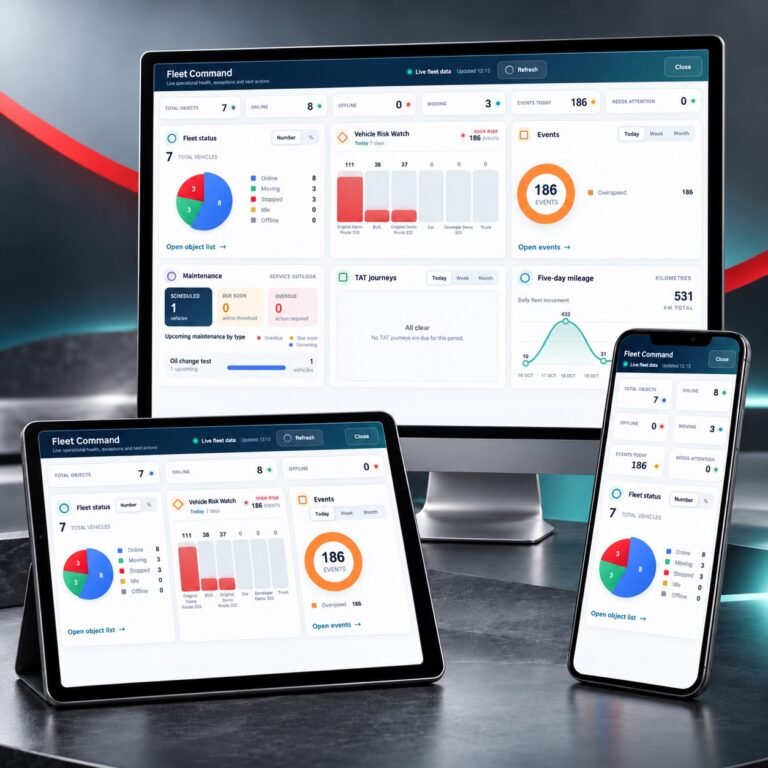 Tracking software
Ciska IQ AI Tracking Platform
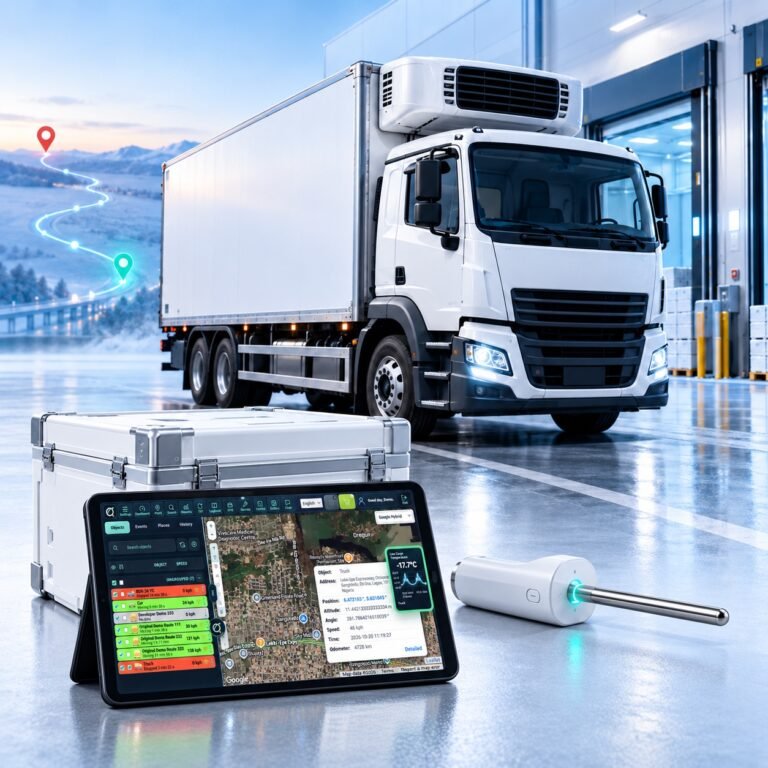 Cold-chain monitoring
Ciska Cold
₦265,000.00View Ciska Cold → Bike and delivery tracking
Ciska Dispatch
₦70,000.00View Ciska Dispatch → Marine tracking
Ciska Boats
₦80,000.00View Ciska Boats →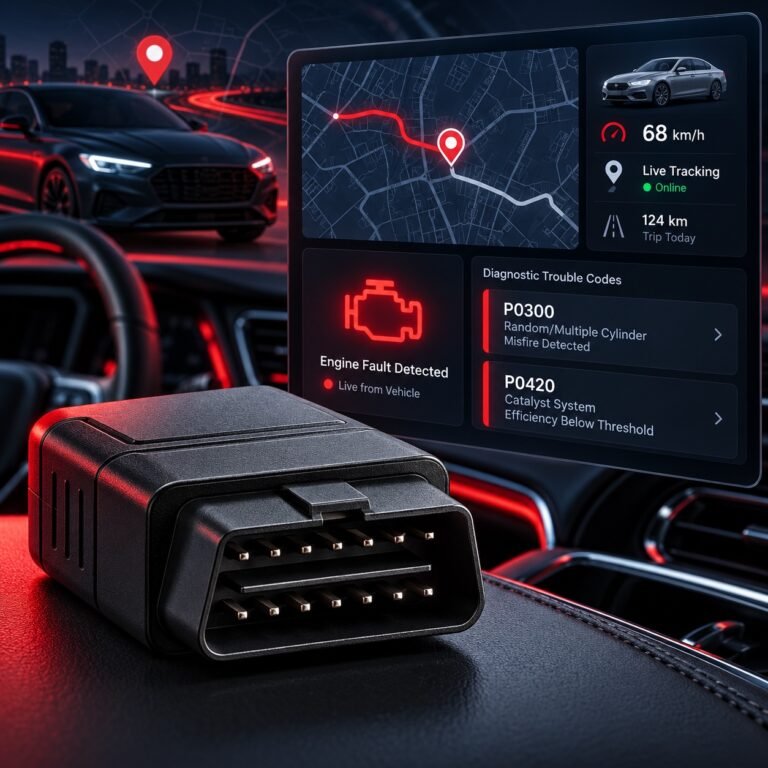 Diagnostics and driver ID
Ciska OBD-II + RFID
₦140,000.00View Ciska OBD-II + RFID →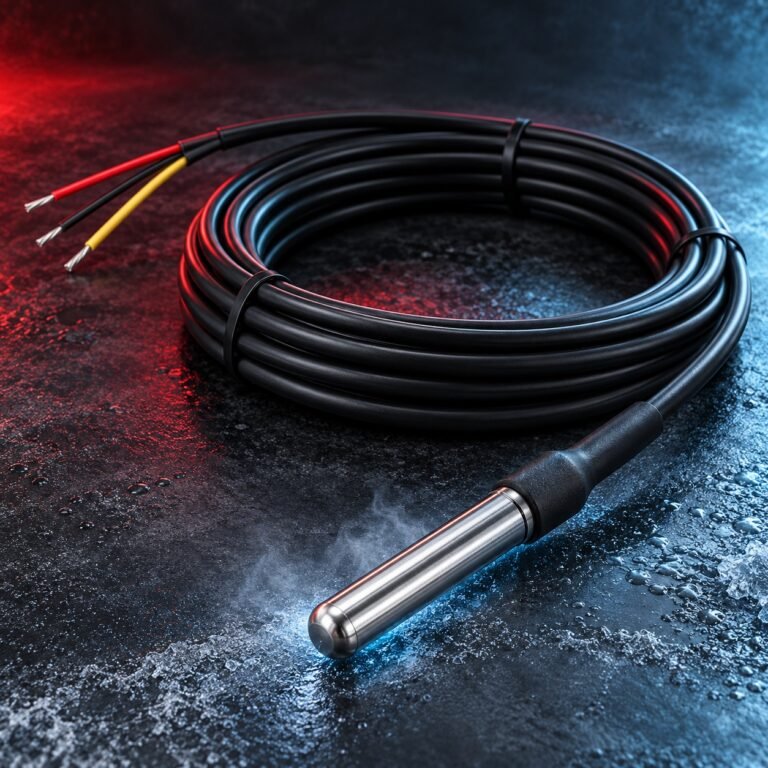 Temperature sensing
Ciska Temperature Probe
₦55,000.00View Ciska Temperature Probe →