No products in the cart.
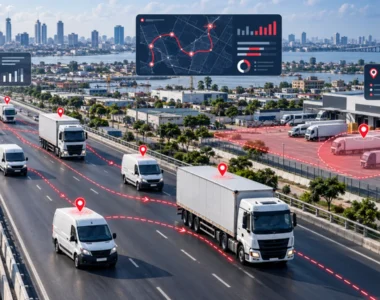
Quick answer: A sustainable logistics business needs a defined service area, the right vehicle mix, disciplined dispatch, customer communication, cost control and dependable tracking. Start narrow, document every workflow and scale only after the numbers are clear.
What you will learn
- How to choose a logistics niche and operating model
- The systems required before adding vehicles
- How GPS tracking improves dispatch and customer trust
- The key costs and service metrics to monitor
Choose a specific logistics problem
Decide whether the company will focus on last-mile deliveries, interstate haulage, cold-chain work, staff transport or another clearly defined need. Each segment has different vehicle, staffing, insurance and technology requirements.
Interview potential customers before buying assets. Confirm shipment volume, delivery windows, proof-of-delivery expectations and the locations that will be difficult to serve.
- Customer and cargo profile
- Service area and delivery promise
- Vehicle and rider requirements
Design dispatch before launch
Create one process for receiving jobs, assigning drivers, confirming pickup, monitoring progress and closing deliveries. A consistent workflow prevents information from becoming trapped in personal chats and phone calls.
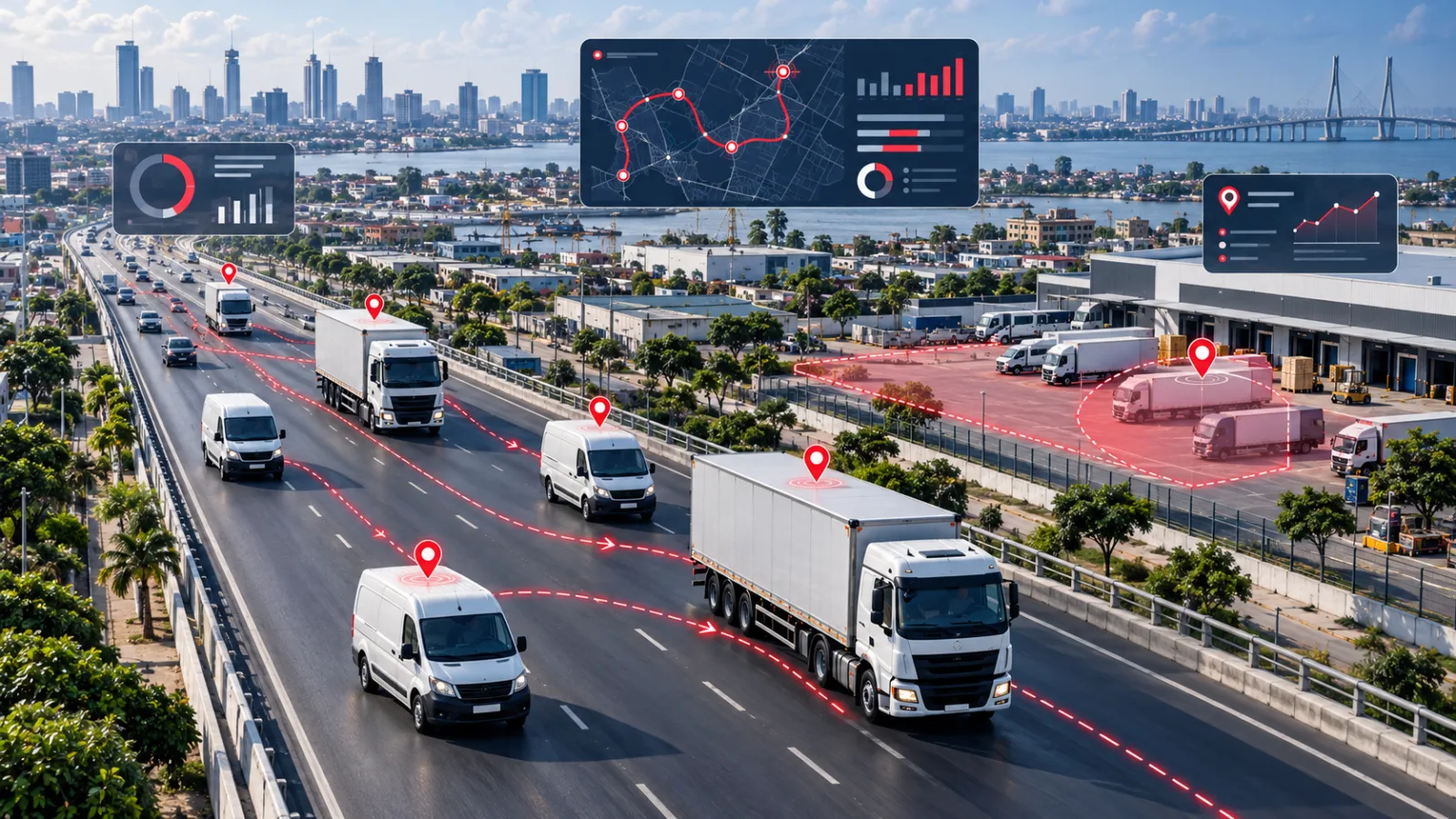
Use GPS visibility to answer customer questions quickly and to identify delays before they become complaints. Dispatchers should see location, movement and exceptions without calling every driver.
- Job reference for every trip
- Named dispatcher and escalation owner
- Proof of pickup and delivery
Know the true cost per job
Price should cover fuel, driver pay, maintenance, insurance, finance, technology, failed delivery attempts and administrative work. Track these costs by vehicle type and route rather than relying on a single average.
Review unproductive kilometres, waiting time and repeat trips. These often reveal where contracts or processes need to change.
- Cost per completed delivery
- On-time delivery rate
- Failed and repeated journeys
Scale with controls, not guesswork
Add vehicles only when existing capacity is consistently used and service quality remains stable. Standardise onboarding, vehicle checks, driver training and customer reporting before expanding.
Fleet technology supports growth when permissions, alerts and reports match each team member’s role. Keep the system simple enough to use every day.
- Documented operating procedures
- Driver and vehicle scorecards
- Monthly profitability by service line
Take the next step with Ciska
This guide becomes more useful when the ideas are connected to the right hardware, installation and tracking software. For this topic, start with Ciska Fleet Pro.
Continue reading
Explore the Ciska ecosystem
View all products →One tracking family. Every kind of movement.
Choose connected hardware and Ciska IQ software for cars, fleets, delivery bikes, cold cargo and inland vessels.

Personal vehicle protection
Ciska Hybrid Pro
Live tracking, journey history, geofences and smart security alerts.
₦80,000.00
View Ciska Hybrid Pro →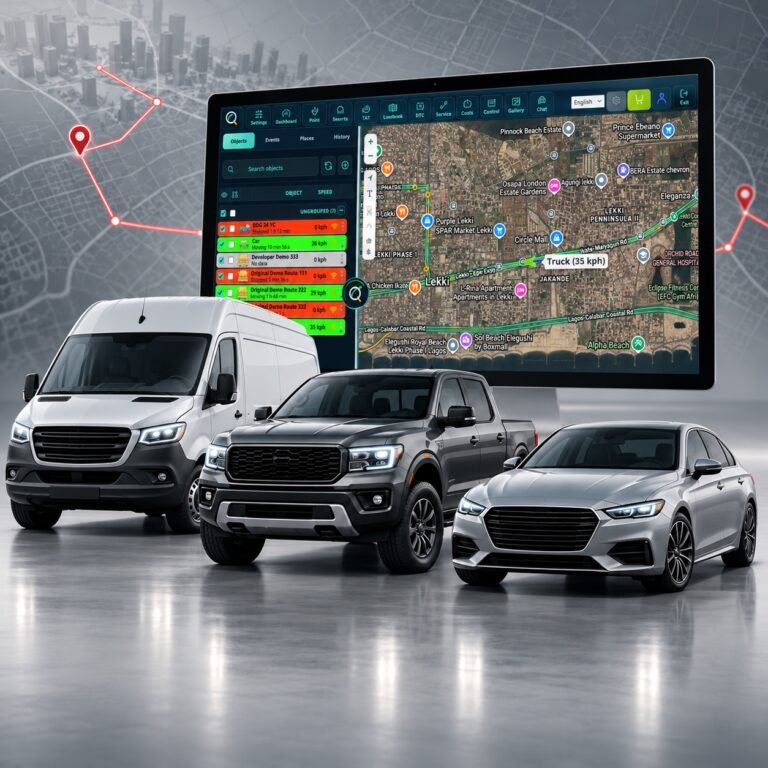
Fleet operations
Ciska Fleet Pro
Fleet visibility, driver insight, operational alerts and business reporting.
₦85,000.00
View Ciska Fleet Pro →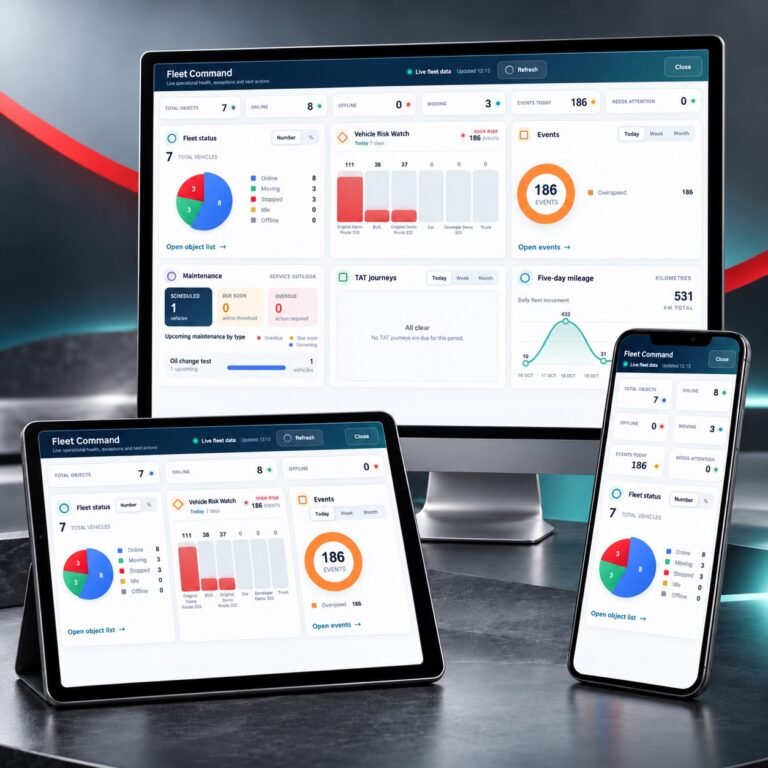
Tracking software
Ciska IQ AI Tracking Platform
Multi-customer fleet intelligence for tracking companies and enterprise teams.
View Ciska IQ AI Tracking Platform →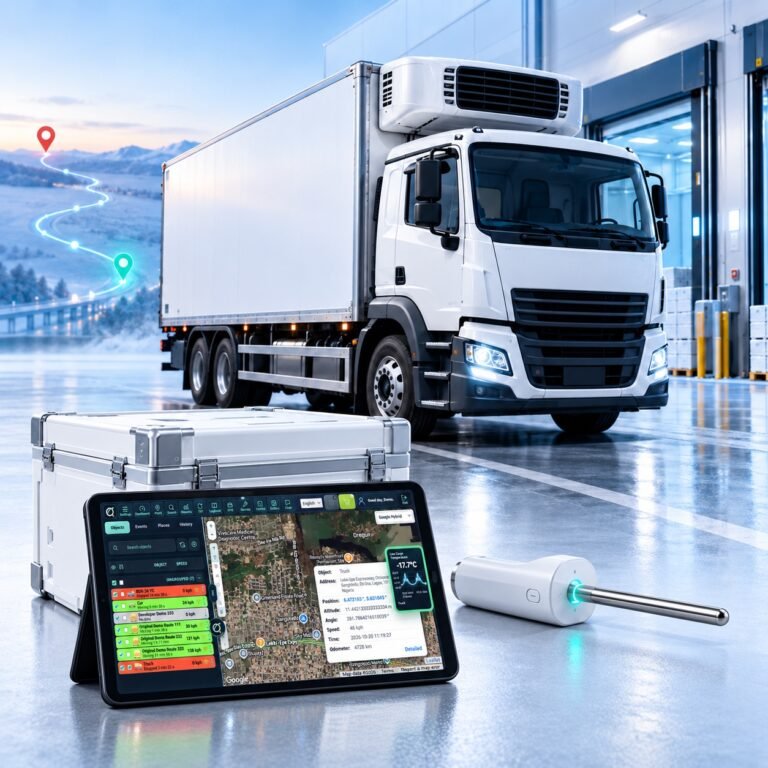
Cold-chain monitoring
Ciska Cold
Location and temperature visibility for food, medicine and sensitive cargo.
₦265,000.00
View Ciska Cold →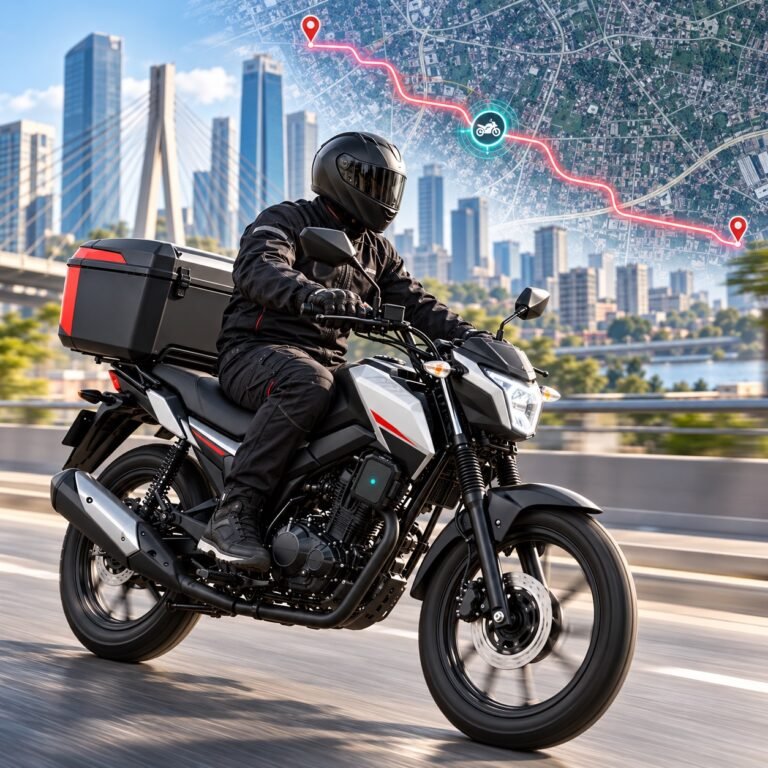
Bike and delivery tracking
Ciska Dispatch
Compact GPS tracking for dispatch bikes and last-mile delivery fleets.
₦70,000.00
View Ciska Dispatch →
Marine tracking
Ciska Boats
Route history, location visibility and operating-area alerts for inland vessels.
₦80,000.00
View Ciska Boats →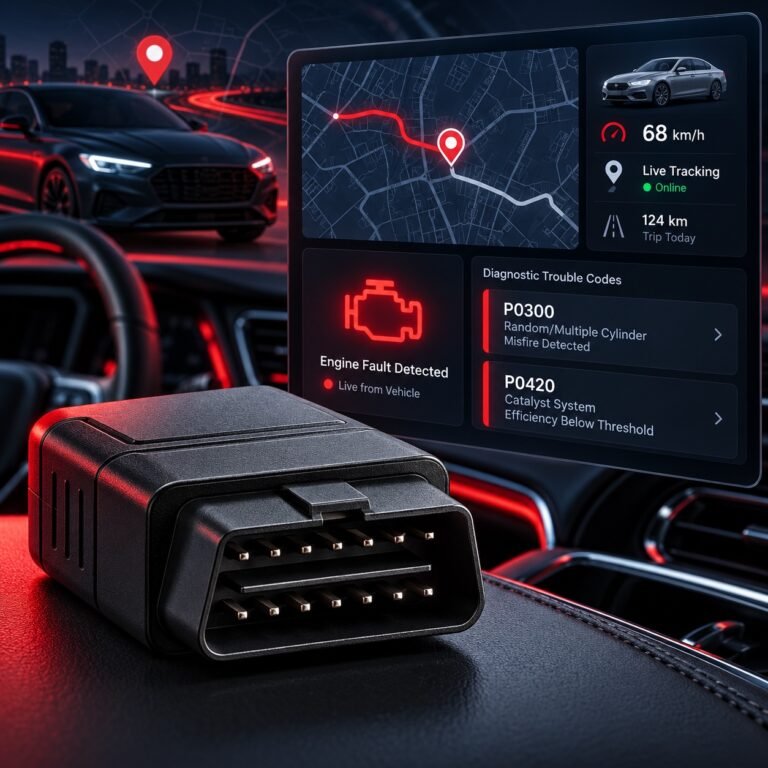
Diagnostics and driver ID
Ciska OBD-II + RFID
Vehicle diagnostics with authorised-driver identification and accountability.
₦140,000.00
View Ciska OBD-II + RFID →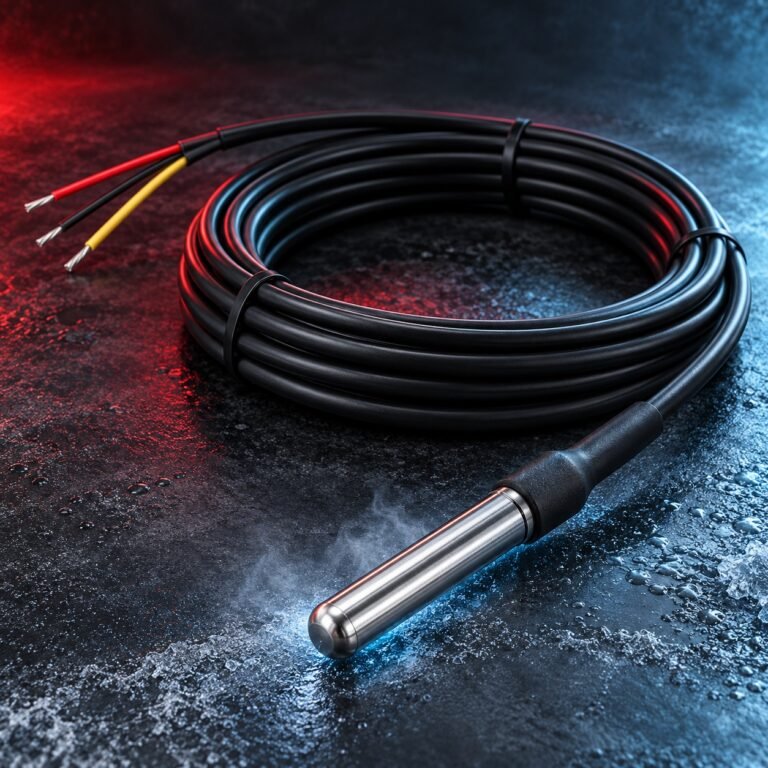
Temperature sensing
Ciska Temperature Probe
A connected probe for reliable cold-chain and sensitive-cargo temperature data.
₦55,000.00
View Ciska Temperature Probe →Frequently asked questions
Can I start a logistics company with one vehicle?
Yes. A focused service, reliable execution and accurate cost records matter more than starting with a large fleet.
Why is tracking important for logistics?
It supports dispatch, customer communication, route review, theft response and proof of operational performance.
What should I track first?
Start with completed jobs, on-time rate, kilometres, fuel, maintenance, failed deliveries and customer complaints.