No products in the cart.
Quick answer: Effective fleet management combines reliable vehicle data with clear operating rules. GPS tracking, driver coaching, preventive maintenance and useful reports help businesses reduce waste while improving service and safety.
What you will learn
- The foundations of a measurable fleet operation
- How tracking supports fuel, route and driver control
- Which reports turn data into better decisions
- How to introduce fleet technology without disrupting work
Build visibility before chasing efficiency
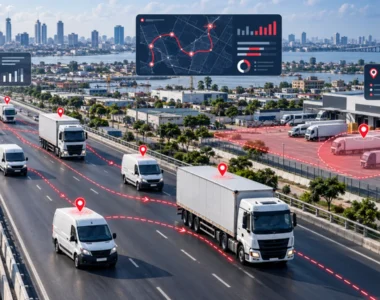
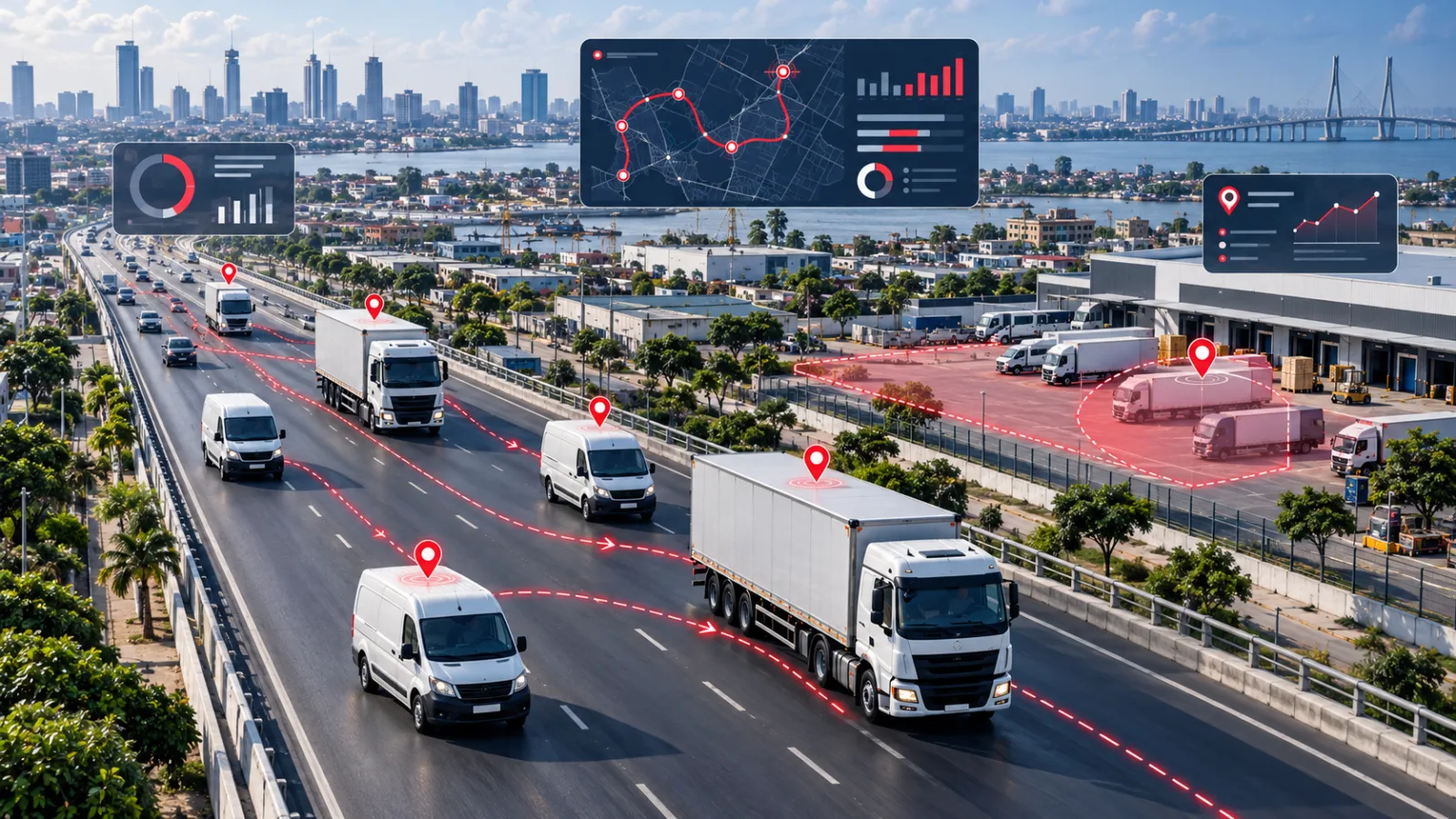
A fleet cannot be managed well when managers do not know where vehicles are, how they are being used or whether journeys match the plan. Live location and journey history create a factual operating picture that replaces assumptions with evidence.
Visibility should lead to action. Assign people to review exceptions, contact drivers when a journey needs clarification and record the result so the same issue becomes less likely to repeat.
- Live vehicle status
- Journey and stop history
- Named owners for alerts
Control fuel, idling and unauthorized use
Fuel waste is rarely caused by one dramatic event. It usually grows through repeated idling, route deviation, unnecessary trips and weak reconciliation. Telematics exposes these patterns so managers can investigate them fairly.
Create simple weekly measures and compare similar vehicles or routes. The goal is not surveillance for its own sake; it is a consistent process that helps drivers and managers improve together.
- Idle time by vehicle
- Distance outside assigned routes
- After-hours movement
Protect vehicle availability
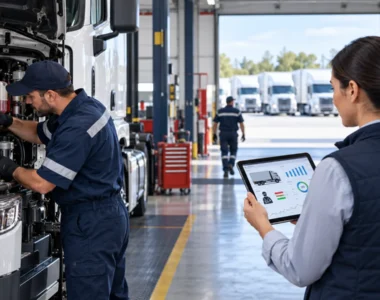
A vehicle that is unexpectedly unavailable can affect customers, revenue and staff schedules. Combine odometer or engine-hour data with maintenance plans so service is scheduled before breakdowns become emergencies.
Tracking data does not replace a mechanic. It helps the maintenance team prioritise inspections and connect faults with real operating conditions.
- Service reminders
- Fault and inspection records
- Downtime by cause
Choose reports people will actually use
A good dashboard should make the next decision obvious. Start with utilization, idle time, journey completion, driver exceptions, maintenance status and fuel-related indicators.
Share a short operating review with the people who can act. Consistent review is more valuable than a large report that nobody opens.
- Weekly exception review
- Monthly cost and utilization trend
- Documented corrective actions
Take the next step with Ciska
This guide becomes more useful when the ideas are connected to the right hardware, installation and tracking software. For this topic, start with Ciska Fleet Pro.
Continue reading
Explore the Ciska ecosystem
View all products →One tracking family. Every kind of movement.
Choose connected hardware and Ciska IQ software for cars, fleets, delivery bikes, cold cargo and inland vessels.
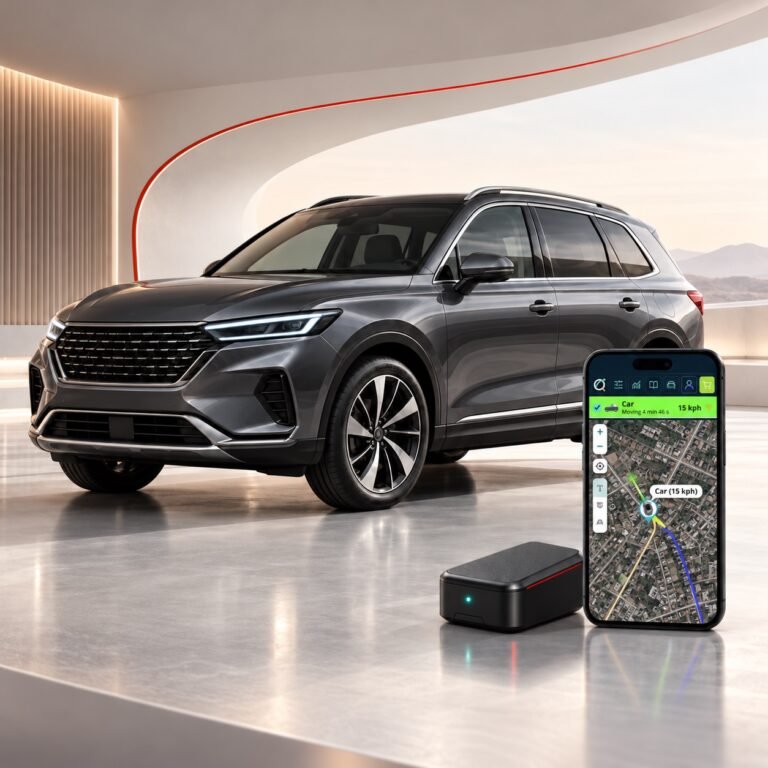
Personal vehicle protection
Ciska Hybrid Pro
Live tracking, journey history, geofences and smart security alerts.
₦80,000.00
View Ciska Hybrid Pro →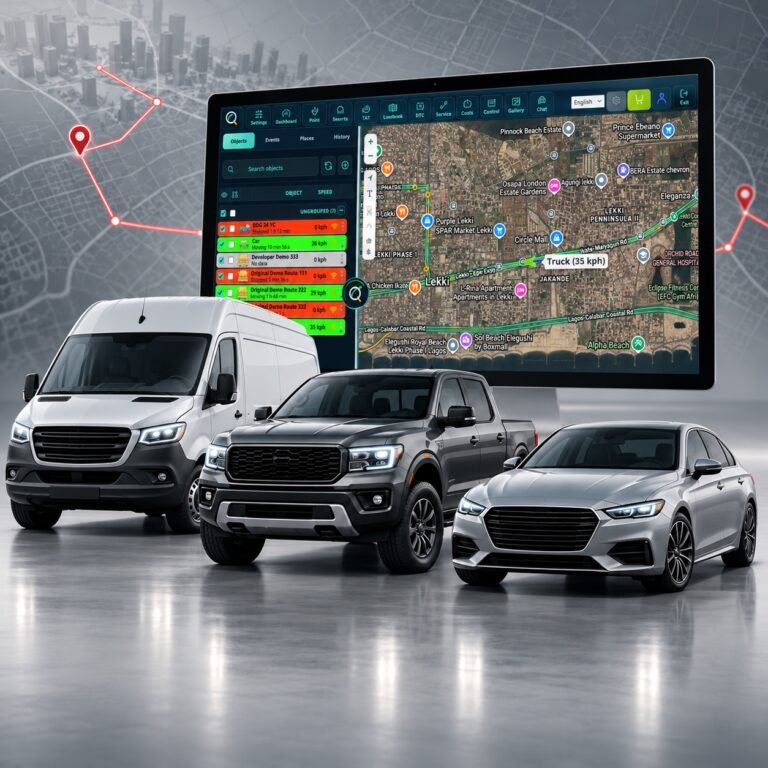
Fleet operations
Ciska Fleet Pro
Fleet visibility, driver insight, operational alerts and business reporting.
₦85,000.00
View Ciska Fleet Pro →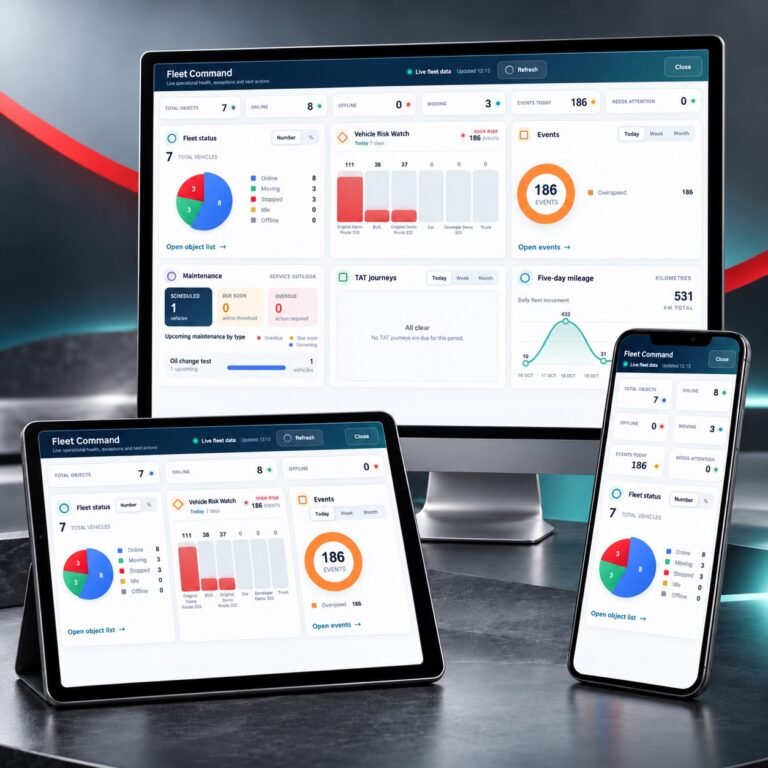
Tracking software
Ciska IQ AI Tracking Platform
Multi-customer fleet intelligence for tracking companies and enterprise teams.
View Ciska IQ AI Tracking Platform →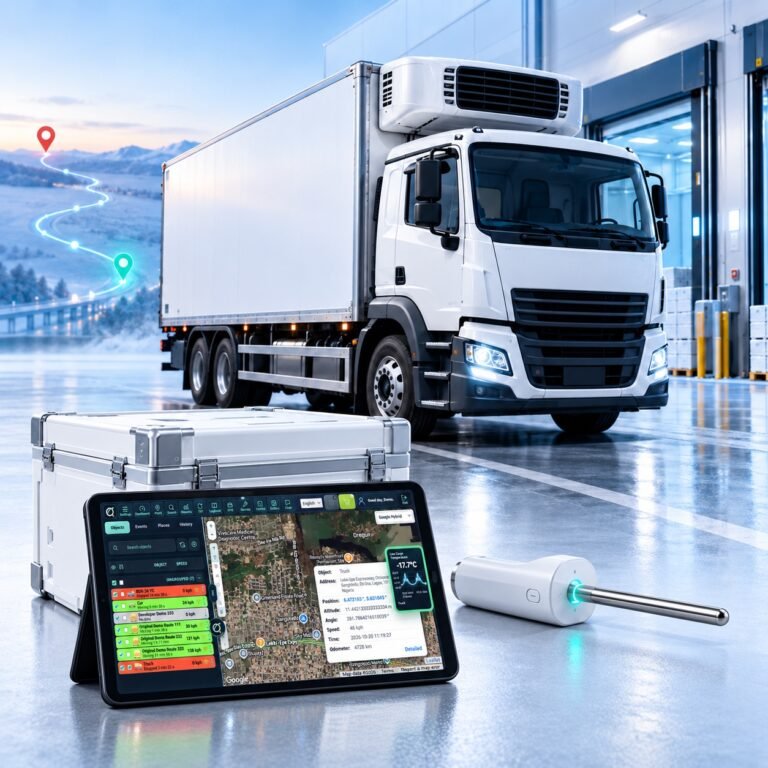
Cold-chain monitoring
Ciska Cold
Location and temperature visibility for food, medicine and sensitive cargo.
₦265,000.00
View Ciska Cold →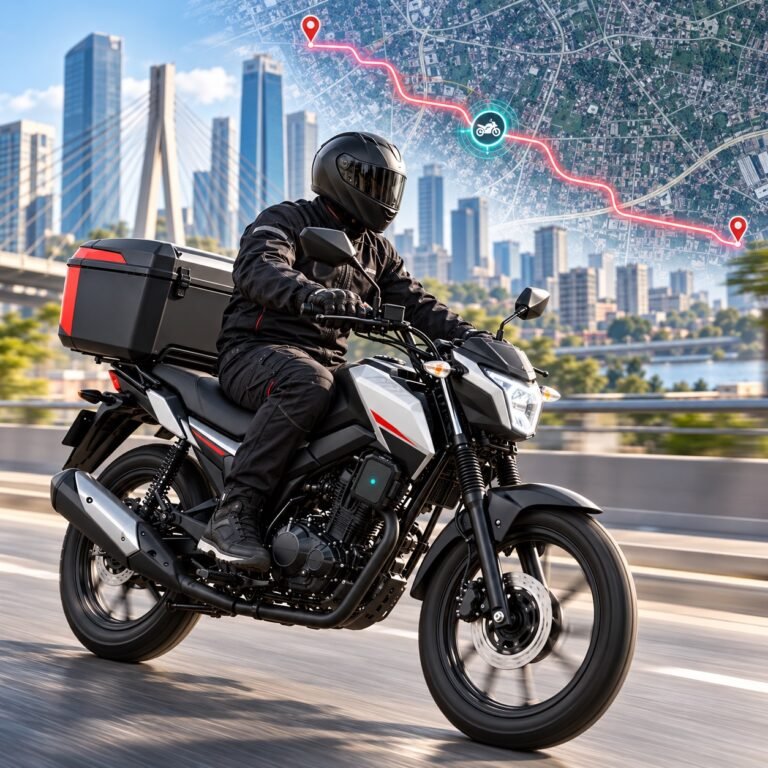
Bike and delivery tracking
Ciska Dispatch
Compact GPS tracking for dispatch bikes and last-mile delivery fleets.
₦70,000.00
View Ciska Dispatch →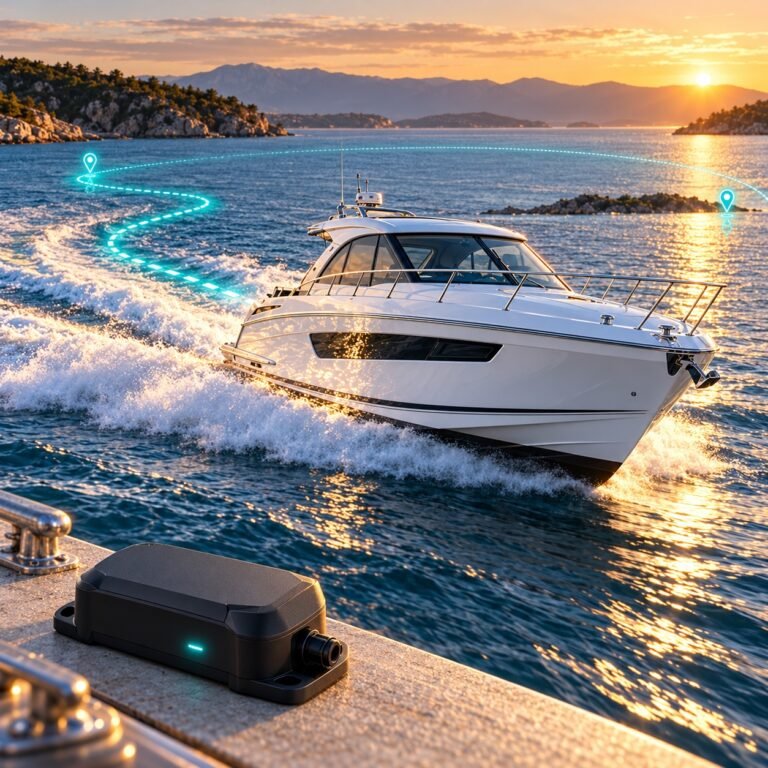
Marine tracking
Ciska Boats
Route history, location visibility and operating-area alerts for inland vessels.
₦80,000.00
View Ciska Boats →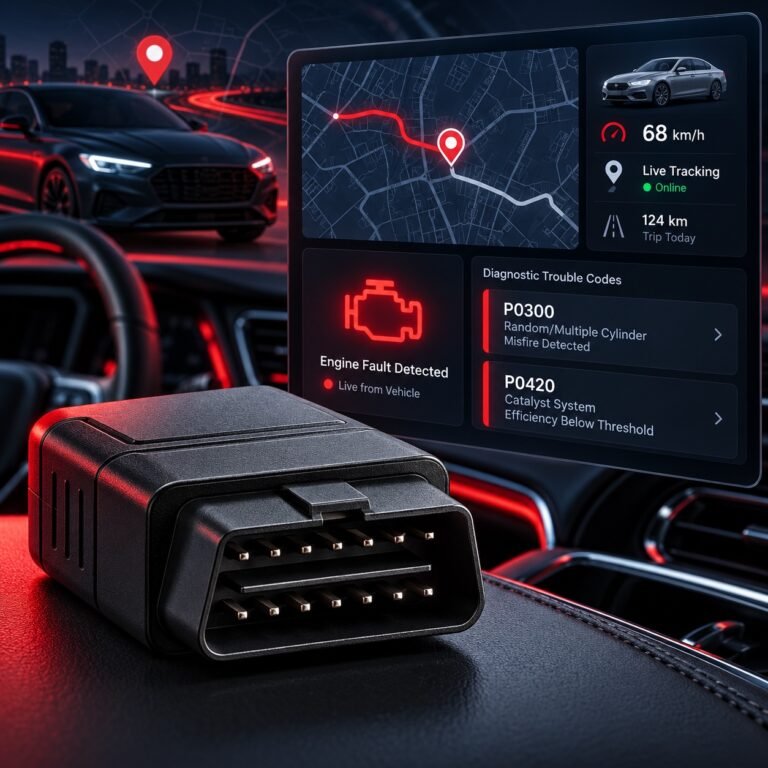
Diagnostics and driver ID
Ciska OBD-II + RFID
Vehicle diagnostics with authorised-driver identification and accountability.
₦140,000.00
View Ciska OBD-II + RFID →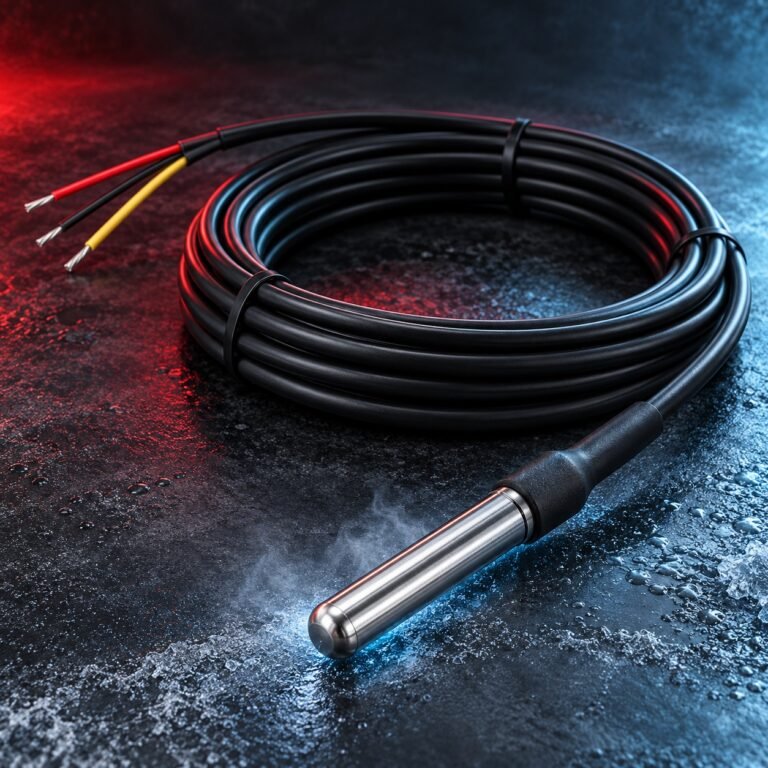
Temperature sensing
Ciska Temperature Probe
A connected probe for reliable cold-chain and sensitive-cargo temperature data.
₦55,000.00
View Ciska Temperature Probe →Frequently asked questions
Does GPS tracking reduce fleet costs automatically?
No. It reveals where time, fuel and vehicle capacity are being lost; savings come from acting consistently on those findings.
Can small fleets benefit from fleet management software?
Yes. Even a few vehicles can benefit from clearer journey records, alerts, maintenance reminders and accountability.
Which Ciska solution is built for fleets?
Ciska Fleet Pro connects vehicle tracking with the Ciska IQ platform for practical fleet visibility and reporting.