No products in the cart.

Quick answer: Tracking data can support maintenance by recording distance, engine activity, journeys and operating patterns. It does not replace inspection, but it helps owners schedule work before small problems create expensive downtime.
What you will learn
- Which tracking data helps maintenance planning
- How to create service reminders
- Why driving conditions matter
- How to keep a useful maintenance record
Use mileage and time together
Manufacturers normally specify service intervals by distance or time. Tracking history helps confirm how quickly the vehicle is accumulating kilometres and prevents schedules from depending on memory.
Vehicles working in heavy traffic, heat, dust or repeated short journeys may need closer review. Use the manufacturer guidance and advice from a qualified technician.
- Odometer or distance trend
- Time since last service
- Operating conditions
Watch for unusual operating patterns
Repeated long idling, harsh driving and unexpected changes in daily distance can increase wear or signal a process problem. Review trends before drawing conclusions about a driver or fault.
A single event rarely tells the full story. Compare the vehicle with its own normal pattern and record any inspection that follows.
- Idle-time trend
- Journey frequency
- Driver-event context
Build a preventive schedule
Create reminders for oil service, tyres, brakes, battery, cooling system and statutory inspections. Assign an owner to confirm completed work and attach the invoice or workshop note.
When maintenance is postponed, record the reason and a new date. An unowned reminder is easy to ignore.
- Due date and kilometre threshold
- Responsible person
- Completion evidence
Connect maintenance with availability
Track how often the vehicle is unavailable and why. Separating planned service from breakdowns reveals whether the preventive programme is working.
Good records also support resale, warranty conversations and safer handover between drivers.
- Planned versus unplanned downtime
- Repair cost by vehicle
- Recurring fault history
Take the next step with Ciska
This guide becomes more useful when the ideas are connected to the right hardware, installation and tracking software. For this topic, start with Ciska Hybrid Pro.
Continue reading
Explore the Ciska ecosystem
View all products →One tracking family. Every kind of movement.
Choose connected hardware and Ciska IQ software for cars, fleets, delivery bikes, cold cargo and inland vessels.

Personal vehicle protection
Ciska Hybrid Pro
Live tracking, journey history, geofences and smart security alerts.
₦80,000.00
View Ciska Hybrid Pro →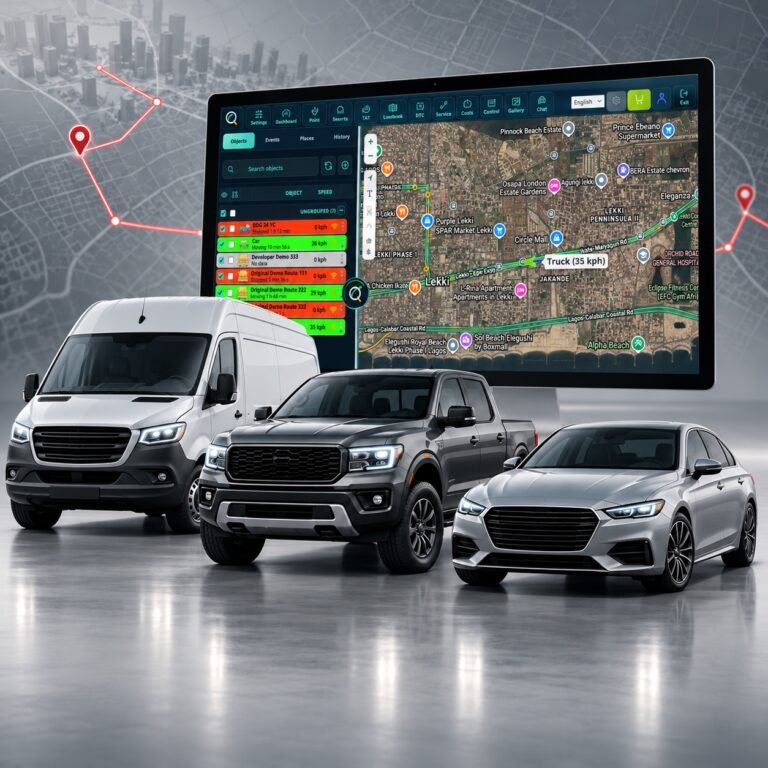
Fleet operations
Ciska Fleet Pro
Fleet visibility, driver insight, operational alerts and business reporting.
₦85,000.00
View Ciska Fleet Pro →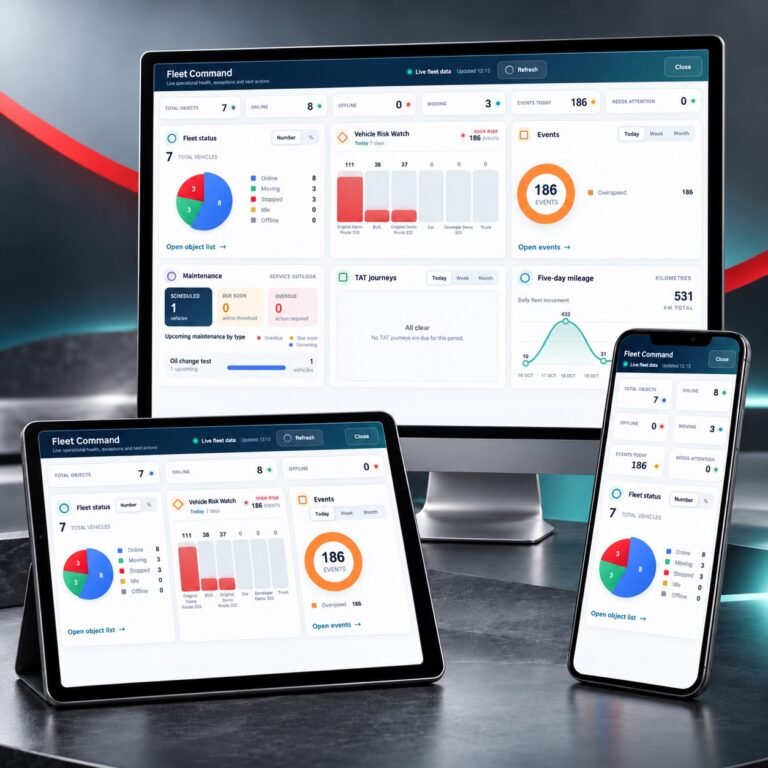
Tracking software
Ciska IQ AI Tracking Platform
Multi-customer fleet intelligence for tracking companies and enterprise teams.
View Ciska IQ AI Tracking Platform →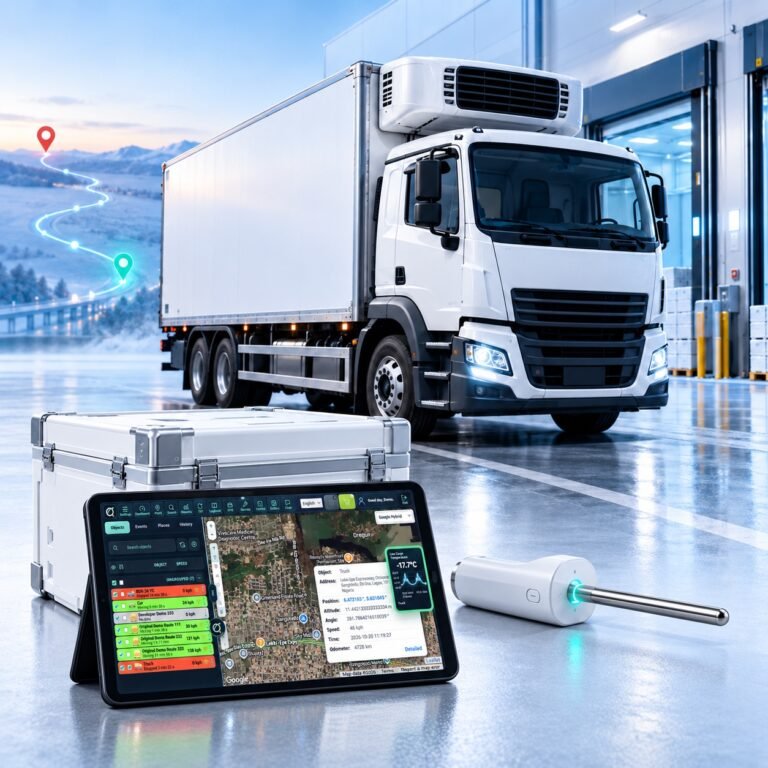
Cold-chain monitoring
Ciska Cold
Location and temperature visibility for food, medicine and sensitive cargo.
₦265,000.00
View Ciska Cold →
Bike and delivery tracking
Ciska Dispatch
Compact GPS tracking for dispatch bikes and last-mile delivery fleets.
₦70,000.00
View Ciska Dispatch →
Marine tracking
Ciska Boats
Route history, location visibility and operating-area alerts for inland vessels.
₦80,000.00
View Ciska Boats →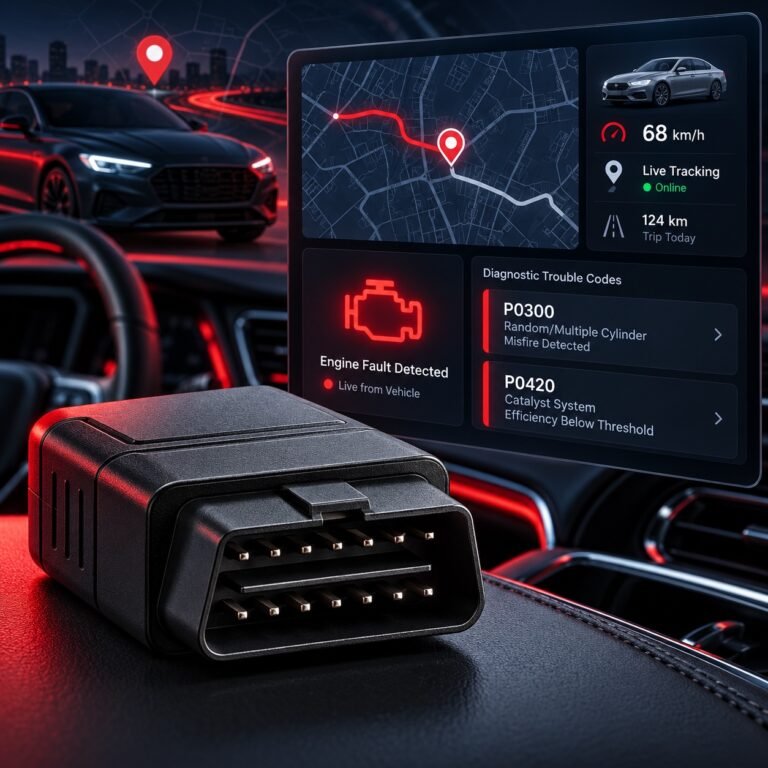
Diagnostics and driver ID
Ciska OBD-II + RFID
Vehicle diagnostics with authorised-driver identification and accountability.
₦140,000.00
View Ciska OBD-II + RFID →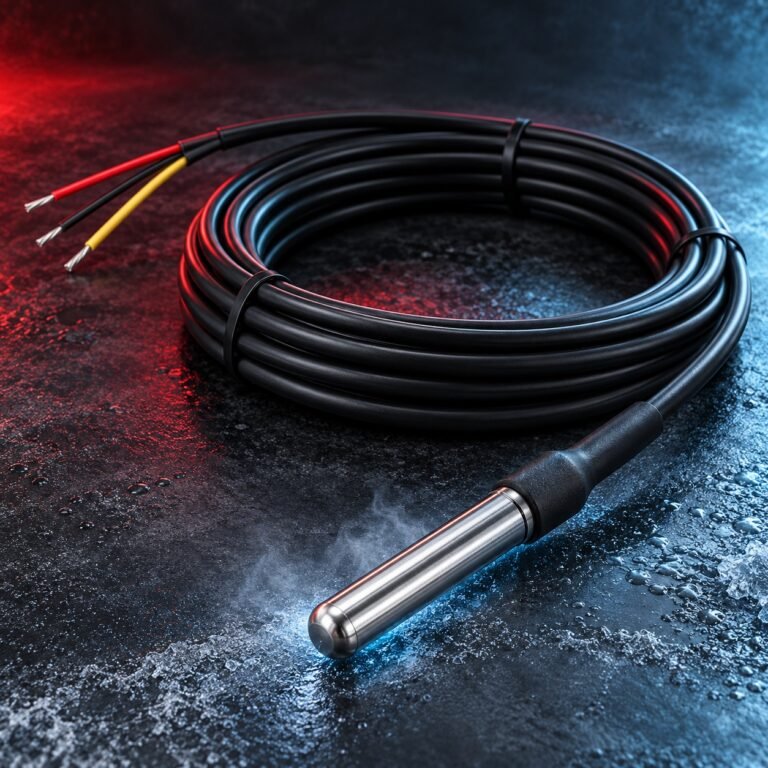
Temperature sensing
Ciska Temperature Probe
A connected probe for reliable cold-chain and sensitive-cargo temperature data.
₦55,000.00
View Ciska Temperature Probe →Frequently asked questions
Can GPS diagnose every mechanical fault?
No. Tracking can provide operational context and some compatible devices provide diagnostic data, but qualified inspection remains essential.
How often should reminders be reviewed?
At least monthly, and more often for vehicles with high daily usage.
Can a personal car owner use tracking data for maintenance?
Yes. Journey and distance history can make service planning more reliable.