No products in the cart.
Car Safety Tips for Nigerian Drivers: 2026/2027 Security Checklist
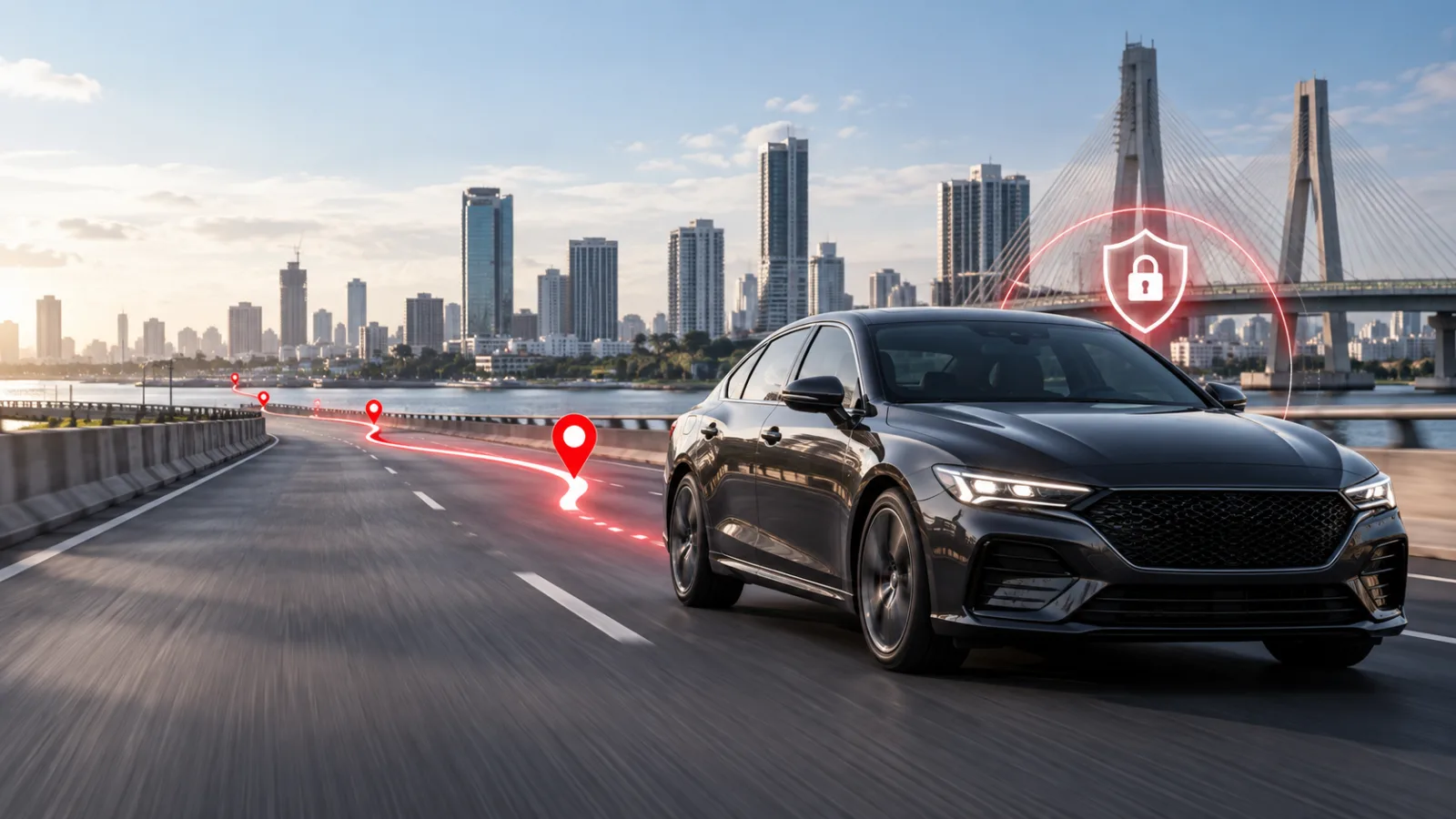
Quick answer: Vehicle safety improves when simple habits, good maintenance, careful parking and connected tracking work together. No single device replaces awareness, but a layered plan reduces avoidable risk.
What you will learn
- A repeatable before-driving safety check
- Parking and key-control habits that reduce risk
- How alerts and tracking support faster response
- What information to keep for an incident
Check the vehicle before moving
Walk around the vehicle and look for tyre damage, leaks, broken lights or obstacles. Confirm mirrors, seat belts, fuel level and warning indicators before entering traffic.
A short routine is especially useful when different people use the same car. Record faults rather than assuming another person will report them.
- Tyres, lights and mirrors
- Fuel and warning lights
- Emergency equipment
Reduce preventable security exposure
Choose visible parking areas, close windows, lock doors and keep valuables out of sight. Avoid leaving spare keys or documents that reveal a home address inside the vehicle.
Treat remote shutdown as a controlled recovery tool. It should only be used under appropriate, safe conditions and with guidance from the tracking provider.
- Controlled key access
- Visible, sensible parking
- No valuables on display
Use tracking alerts deliberately
Configure ignition, movement and geofence alerts for events that truly require attention. Check the timestamp before reacting and follow a clear escalation plan.
Keep the tracking account secure with a strong password and limit access to people who need it. Review access whenever staff or family arrangements change.
- Meaningful alerts
- Secure account access
- Named emergency contacts
Prepare for an incident
Keep vehicle details, insurer information, emergency contacts and the tracking support number available outside the car. If something happens, avoid unsafe confrontation and contact the proper authorities and support team.
Accurate location and journey history can support a faster, clearer response, but safety should remain the first priority.
- Vehicle and policy details
- Emergency contact list
- Calm, documented response
Take the next step with Ciska
This guide becomes more useful when the ideas are connected to the right hardware, installation and tracking software. For this topic, start with Ciska Hybrid Pro.
Continue reading
Explore the Ciska ecosystem
View all products →One tracking family. Every kind of movement.
Choose connected hardware and Ciska IQ software for cars, fleets, delivery bikes, cold cargo and inland vessels.
Personal vehicle protection
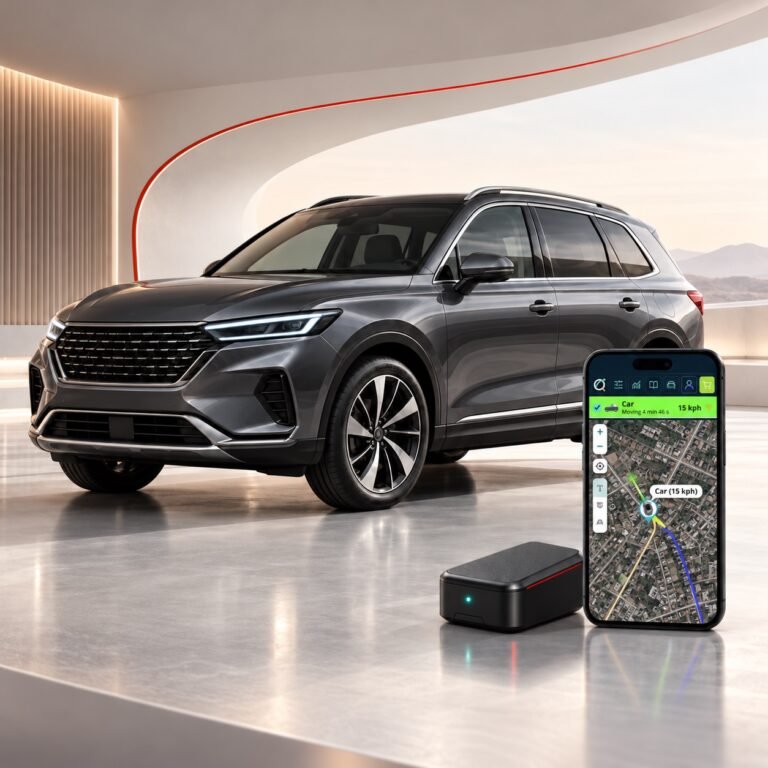
Ciska Hybrid Pro
Live tracking, journey history, geofences and smart security alerts.
₦80,000.00
View Ciska Hybrid Pro →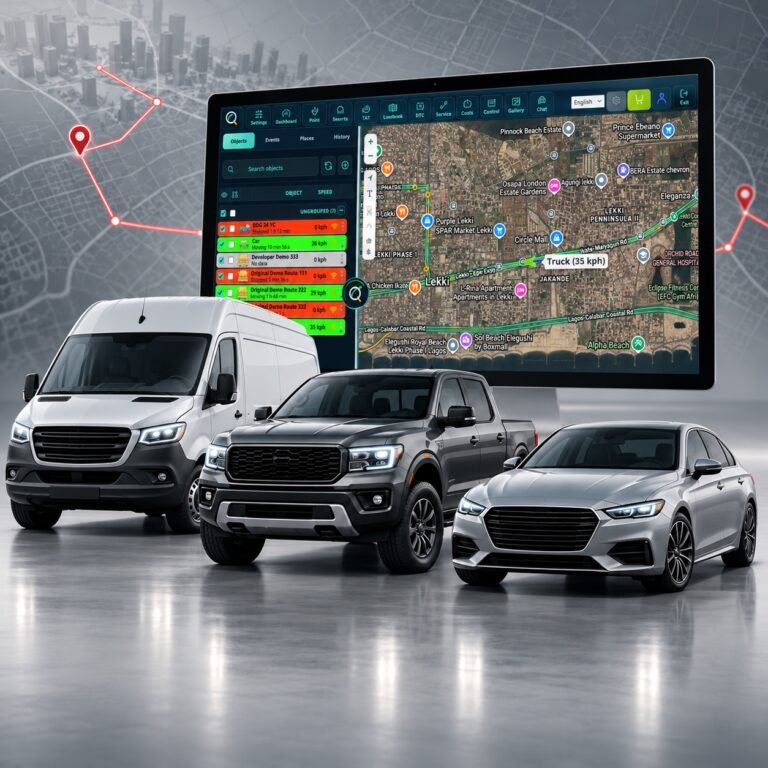
Fleet operations
Ciska Fleet Pro
Fleet visibility, driver insight, operational alerts and business reporting.
₦85,000.00
View Ciska Fleet Pro →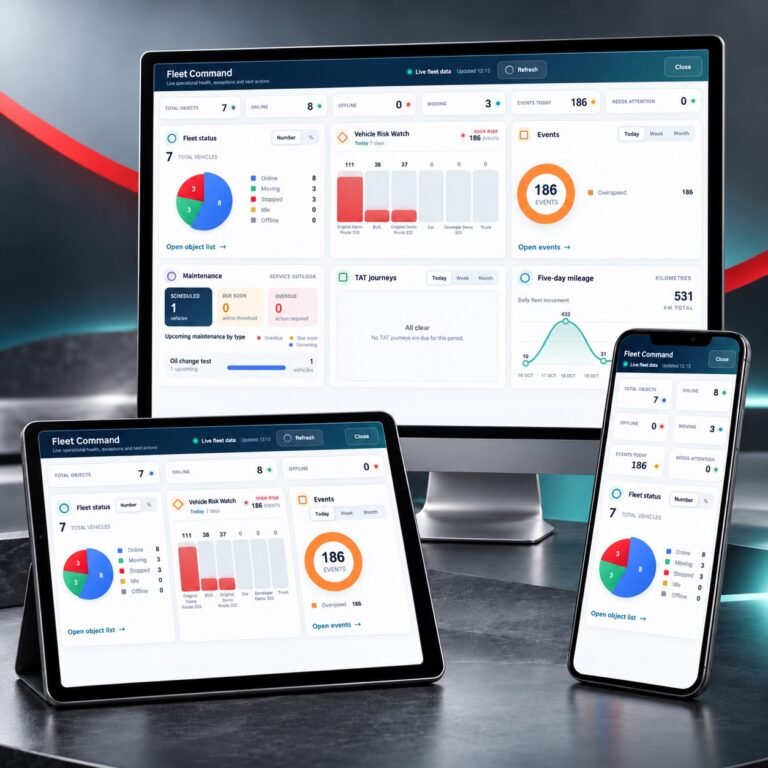
Tracking software
Ciska IQ AI Tracking Platform
Multi-customer fleet intelligence for tracking companies and enterprise teams.
View Ciska IQ AI Tracking Platform →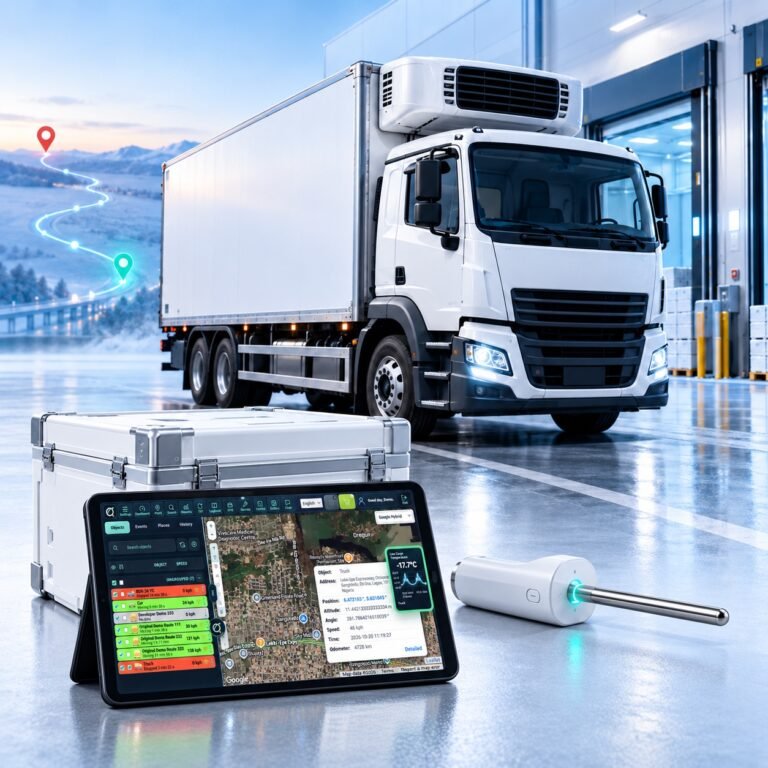
Cold-chain monitoring
Ciska Cold
Location and temperature visibility for food, medicine and sensitive cargo.
₦265,000.00
View Ciska Cold →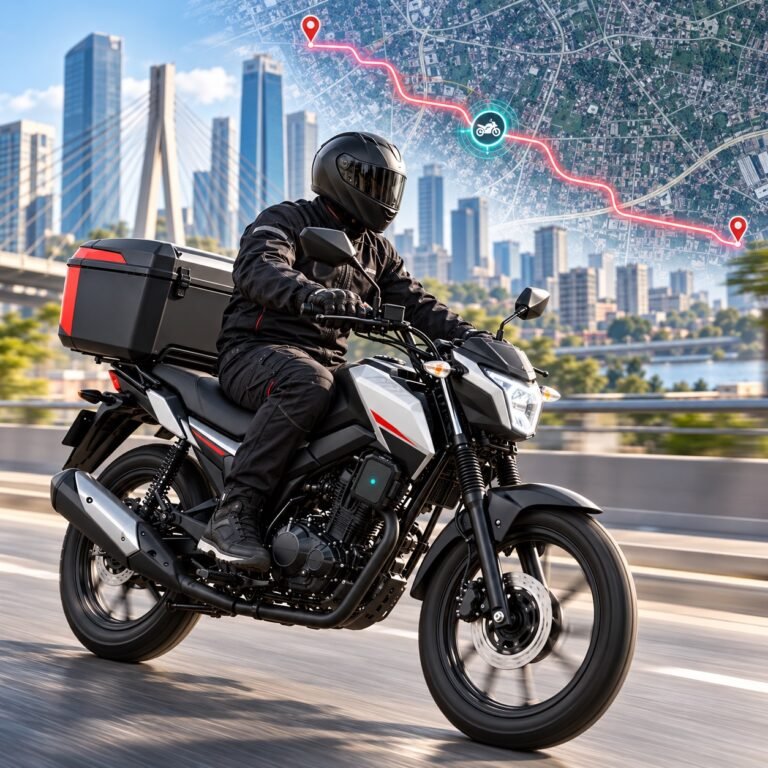
Bike and delivery tracking
Ciska Dispatch
Compact GPS tracking for dispatch bikes and last-mile delivery fleets.
₦70,000.00
View Ciska Dispatch →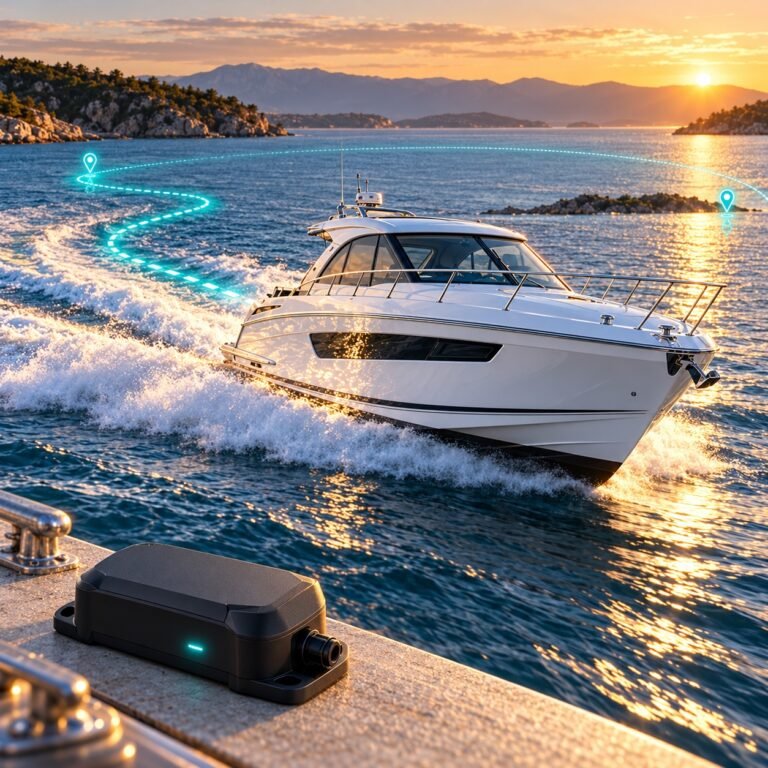
Marine tracking
Ciska Boats
Route history, location visibility and operating-area alerts for inland vessels.
₦80,000.00
View Ciska Boats →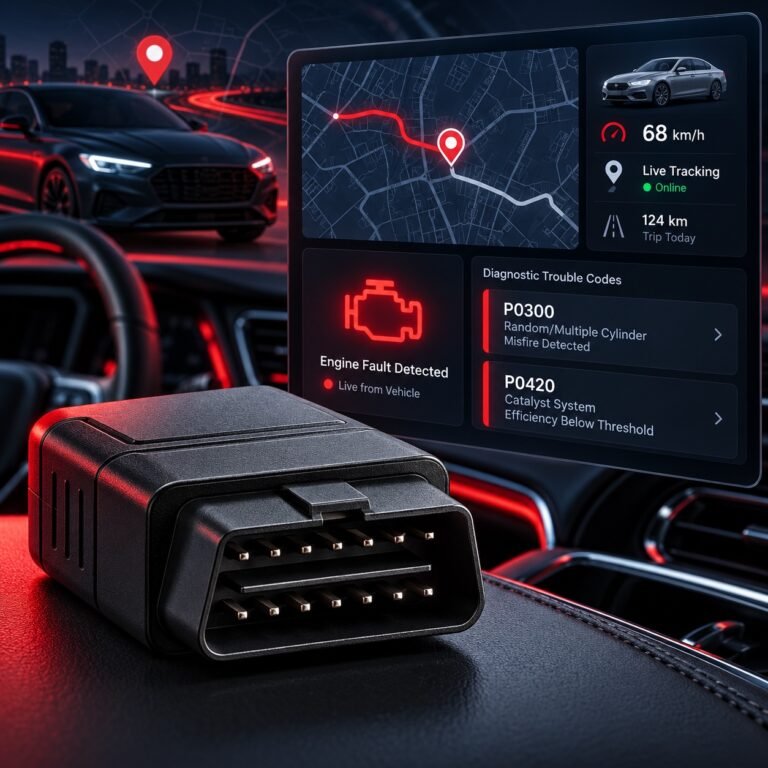
Diagnostics and driver ID
Ciska OBD-II + RFID
Vehicle diagnostics with authorised-driver identification and accountability.
₦140,000.00
View Ciska OBD-II + RFID →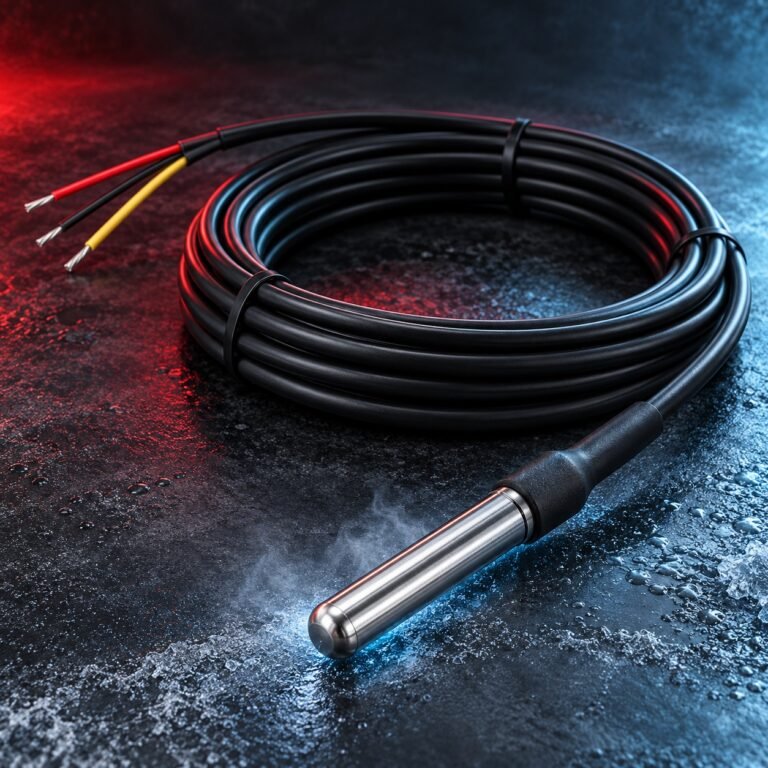
Temperature sensing
Ciska Temperature Probe
A connected probe for reliable cold-chain and sensitive-cargo temperature data.
₦55,000.00
View Ciska Temperature Probe →Frequently asked questions
Does a tracker prevent every theft attempt?
No. It adds visibility and response support as part of a broader vehicle-security plan.
Which alerts are most useful?
Ignition, movement and geofence alerts are common starting points, but settings should reflect how the vehicle is actually used.
Should I share tracking access?
Only with trusted people who need it, and account access should be reviewed regularly.