No products in the cart.
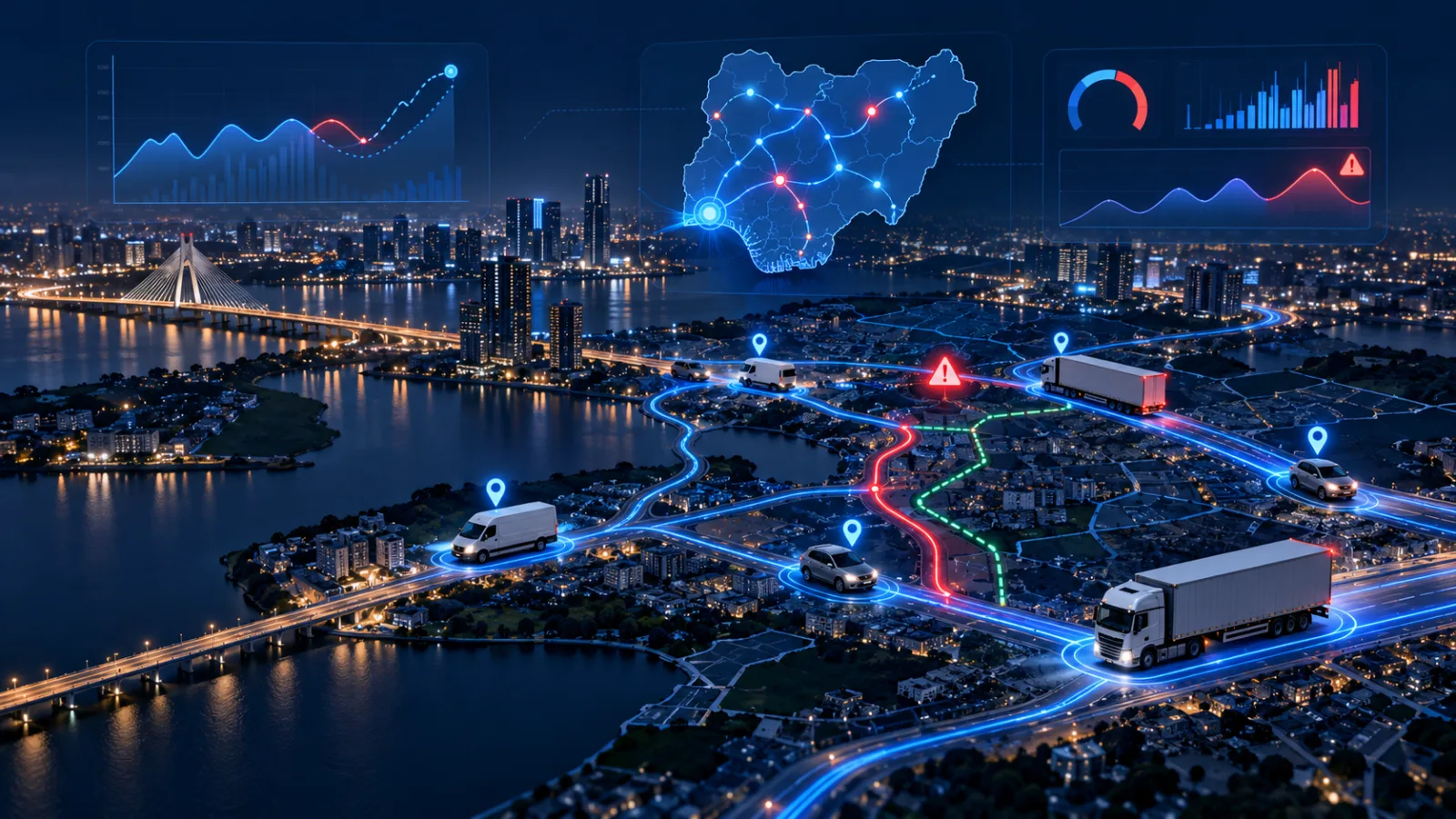
Quick answer: Driver safety technology works best when GPS events, driver identification, coaching and maintenance data are combined with fair policies. Technology should help teams understand risk and improve, not replace human judgement.
What you will learn
- How telematics identifies safety patterns
- Why RFID driver identification improves accountability
- How managers should review events fairly
- Where AI assistance fits into fleet safety
Turn events into context
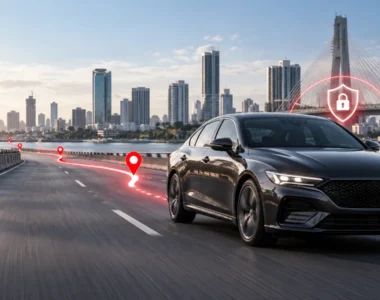
Speeding, harsh braking, rapid acceleration and unusual journeys can indicate risk, but one event is not a complete conclusion. Review location, time, road conditions and repeated patterns.
Use thresholds appropriate to vehicle type and route. A heavy truck, delivery bike and private car should not be assessed identically.
- Event timestamp and location
- Vehicle and route context
- Repeated-pattern review
Know who was driving
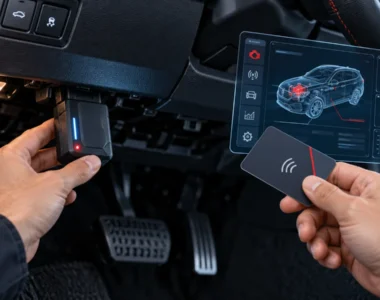
RFID driver identification links journeys and events to an authorised driver when vehicles are shared. This improves coaching accuracy and reduces disputes.
Cards should not be shared. Replace missing cards quickly and keep software permissions separate from driver identity.
- Unique driver identity
- Accurate journey attribution
- Controlled card management
Coach with evidence
Discuss patterns privately, explain the safety reason behind the rule and agree on one or two specific improvements. Recognise progress as well as problems.
Document coaching and check whether behaviour changes. Technology is most effective when the culture supports learning.
- Specific examples
- Clear improvement action
- Follow-up measurement
Use AI as assistance
AI can help prioritise unusual patterns, summarise large amounts of data and guide investigation. A trained person should still review context and make the final decision.
Ciska IQ brings vehicle, journey, driver and alert information into one environment so teams can move from isolated events to practical action.
- Exception prioritisation
- Faster investigation
- Human review and accountability
Take the next step with Ciska
This guide becomes more useful when the ideas are connected to the right hardware, installation and tracking software. For this topic, start with Ciska IQ AI Tracking Platform.
Continue reading
Explore the Ciska ecosystem
View all products →One tracking family. Every kind of movement.
Choose connected hardware and Ciska IQ software for cars, fleets, delivery bikes, cold cargo and inland vessels.
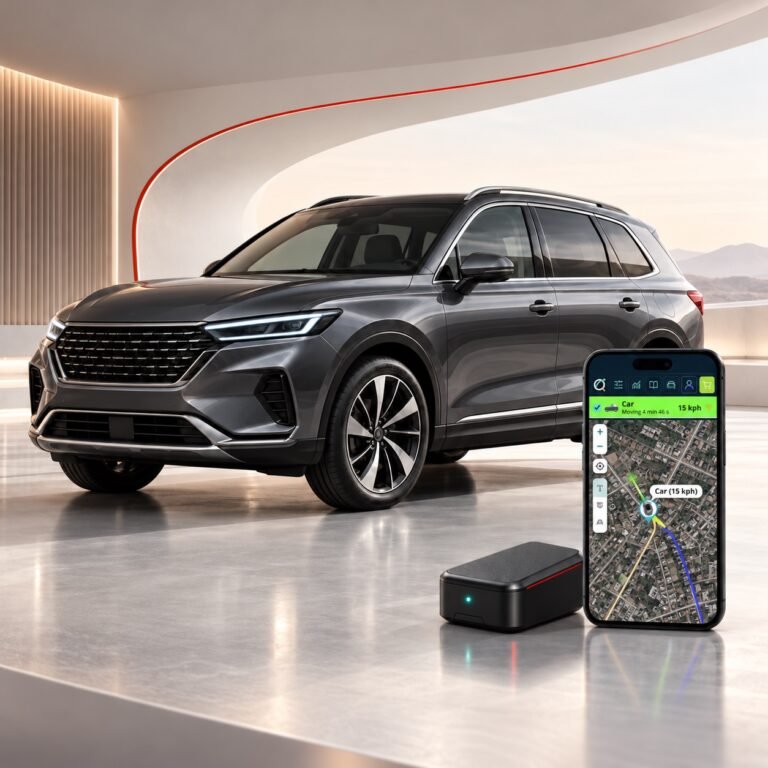
Personal vehicle protection
Ciska Hybrid Pro
Live tracking, journey history, geofences and smart security alerts.
₦80,000.00
View Ciska Hybrid Pro →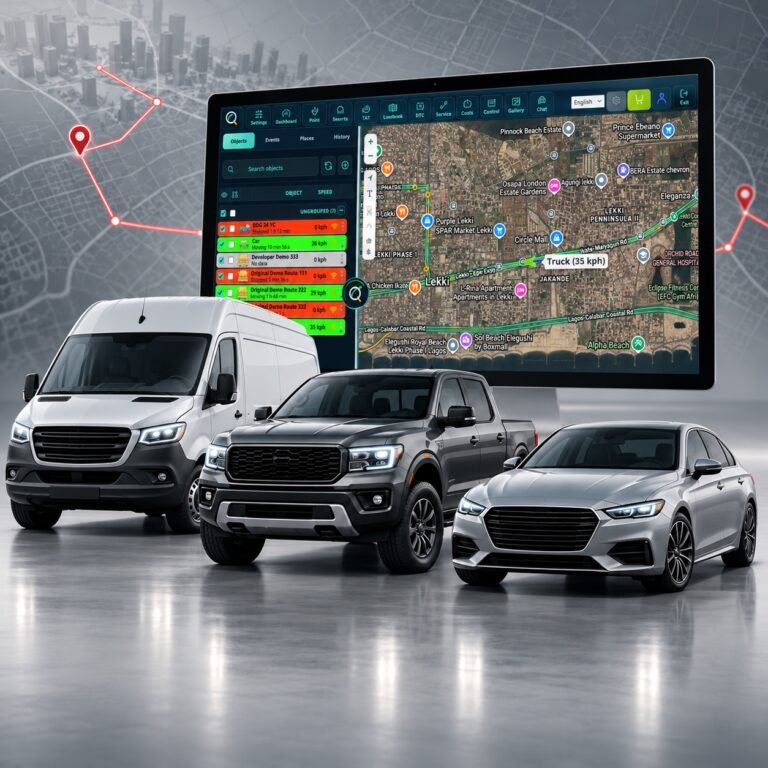
Fleet operations
Ciska Fleet Pro
Fleet visibility, driver insight, operational alerts and business reporting.
₦85,000.00
View Ciska Fleet Pro →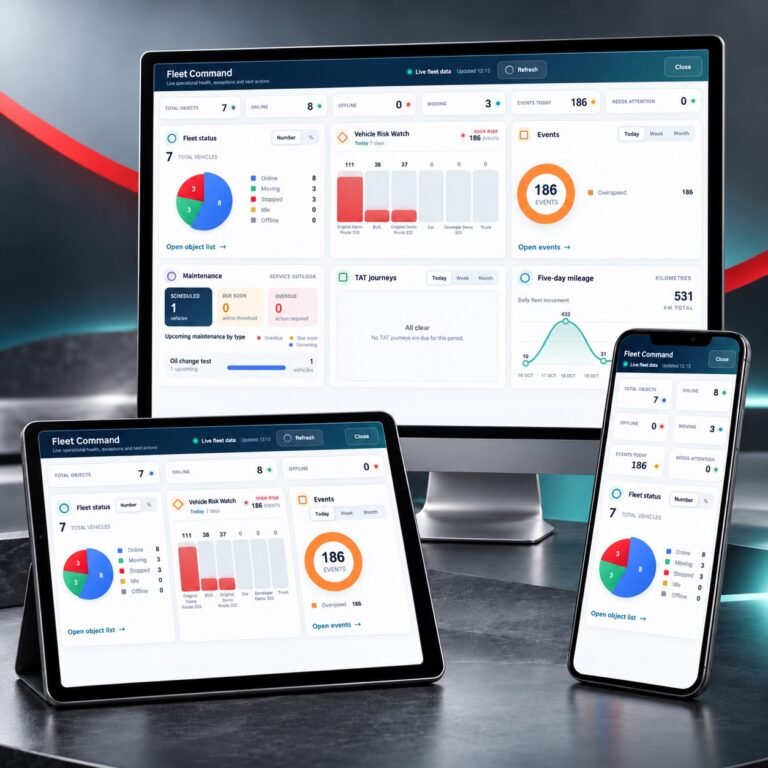
Tracking software
Ciska IQ AI Tracking Platform
Multi-customer fleet intelligence for tracking companies and enterprise teams.
View Ciska IQ AI Tracking Platform →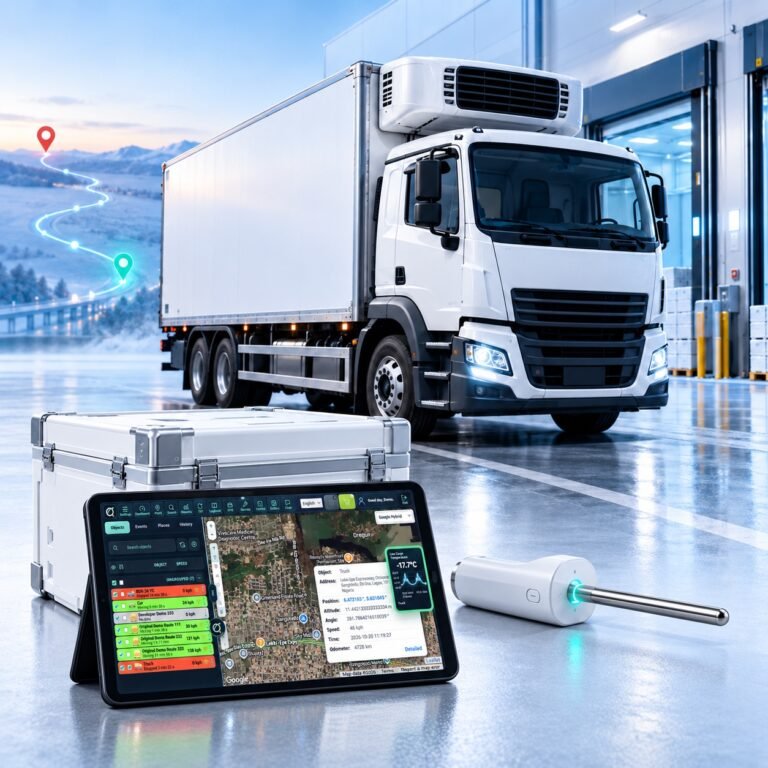
Cold-chain monitoring
Ciska Cold
Location and temperature visibility for food, medicine and sensitive cargo.
₦265,000.00
View Ciska Cold →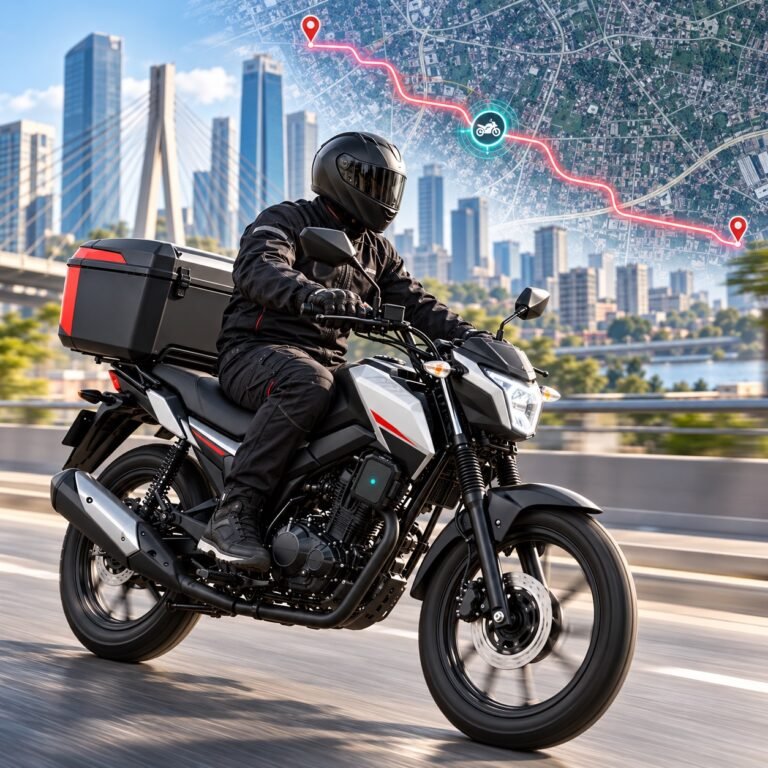
Bike and delivery tracking
Ciska Dispatch
Compact GPS tracking for dispatch bikes and last-mile delivery fleets.
₦70,000.00
View Ciska Dispatch →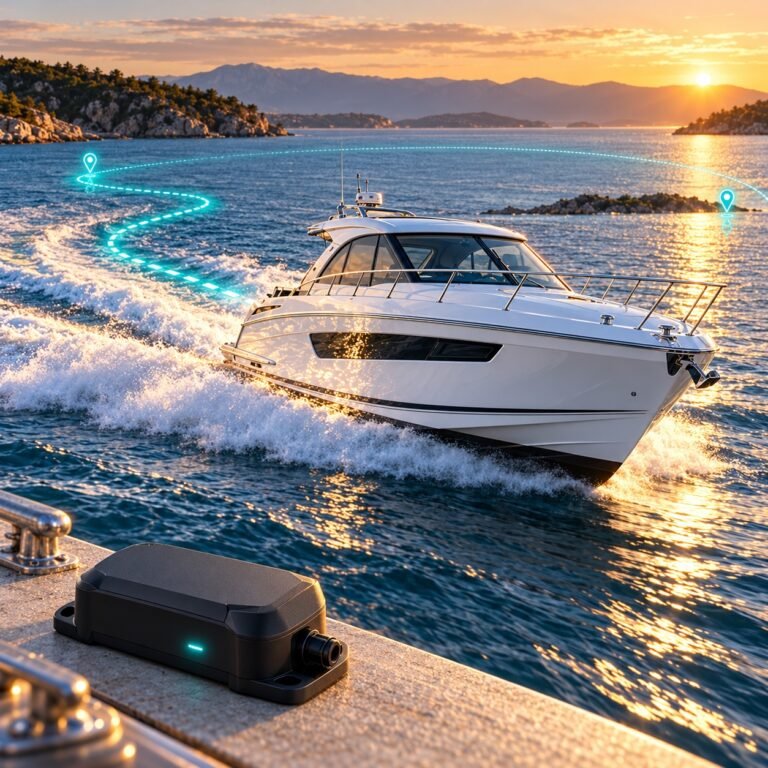
Marine tracking
Ciska Boats
Route history, location visibility and operating-area alerts for inland vessels.
₦80,000.00
View Ciska Boats →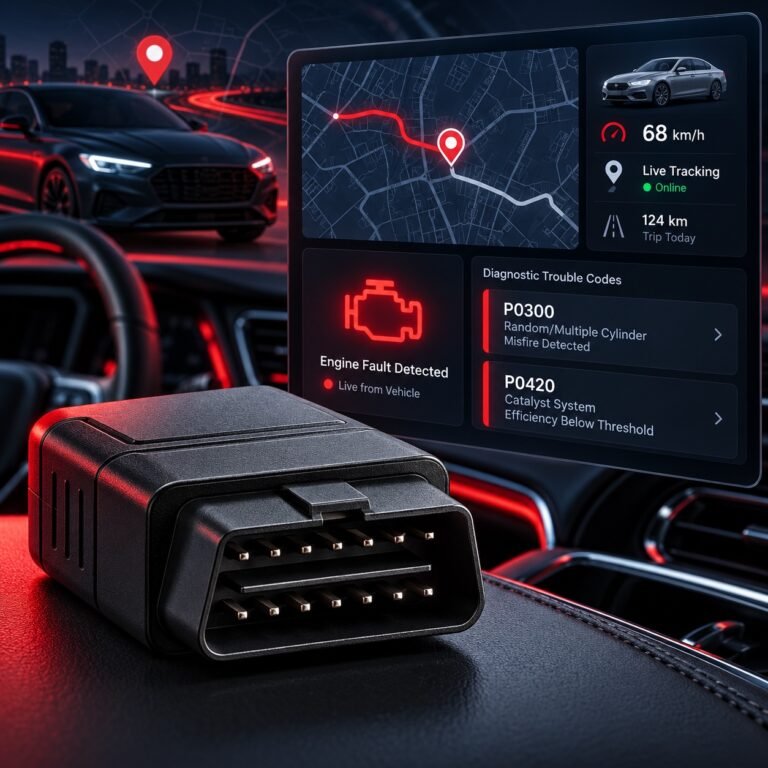
Diagnostics and driver ID
Ciska OBD-II + RFID
Vehicle diagnostics with authorised-driver identification and accountability.
₦140,000.00
View Ciska OBD-II + RFID →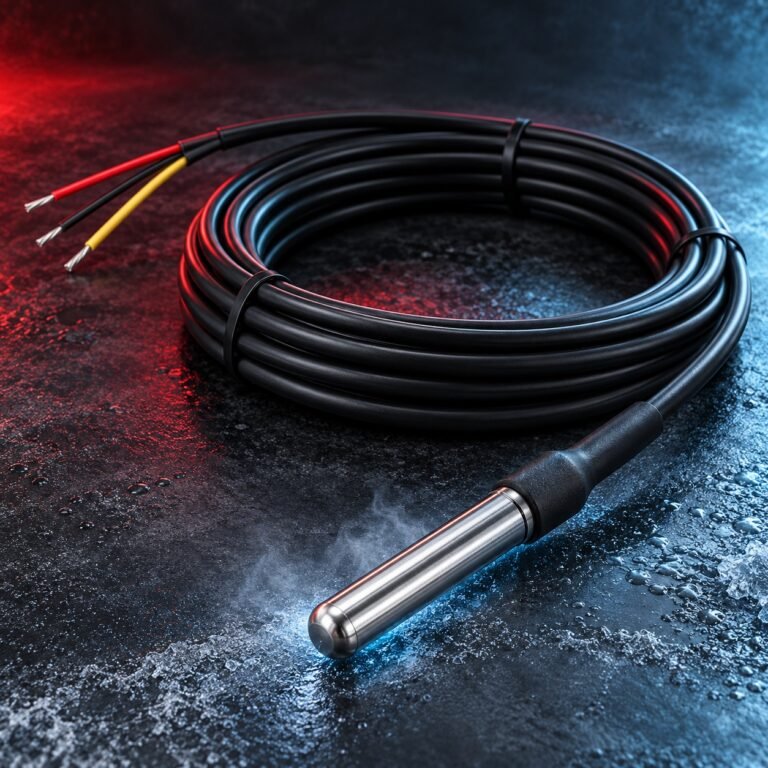
Temperature sensing
Ciska Temperature Probe
A connected probe for reliable cold-chain and sensitive-cargo temperature data.
₦55,000.00
View Ciska Temperature Probe →Frequently asked questions
Can telematics prove that a driver is unsafe?
A single event cannot. Telematics provides evidence that should be reviewed with context and repeated patterns.
What does RFID add to tracking?
It identifies the authorised driver using a shared vehicle, improving attribution and accountability.
Does AI replace a fleet manager?
No. It can organise signals and surface exceptions, while managers remain responsible for judgement and action.