No products in the cart.
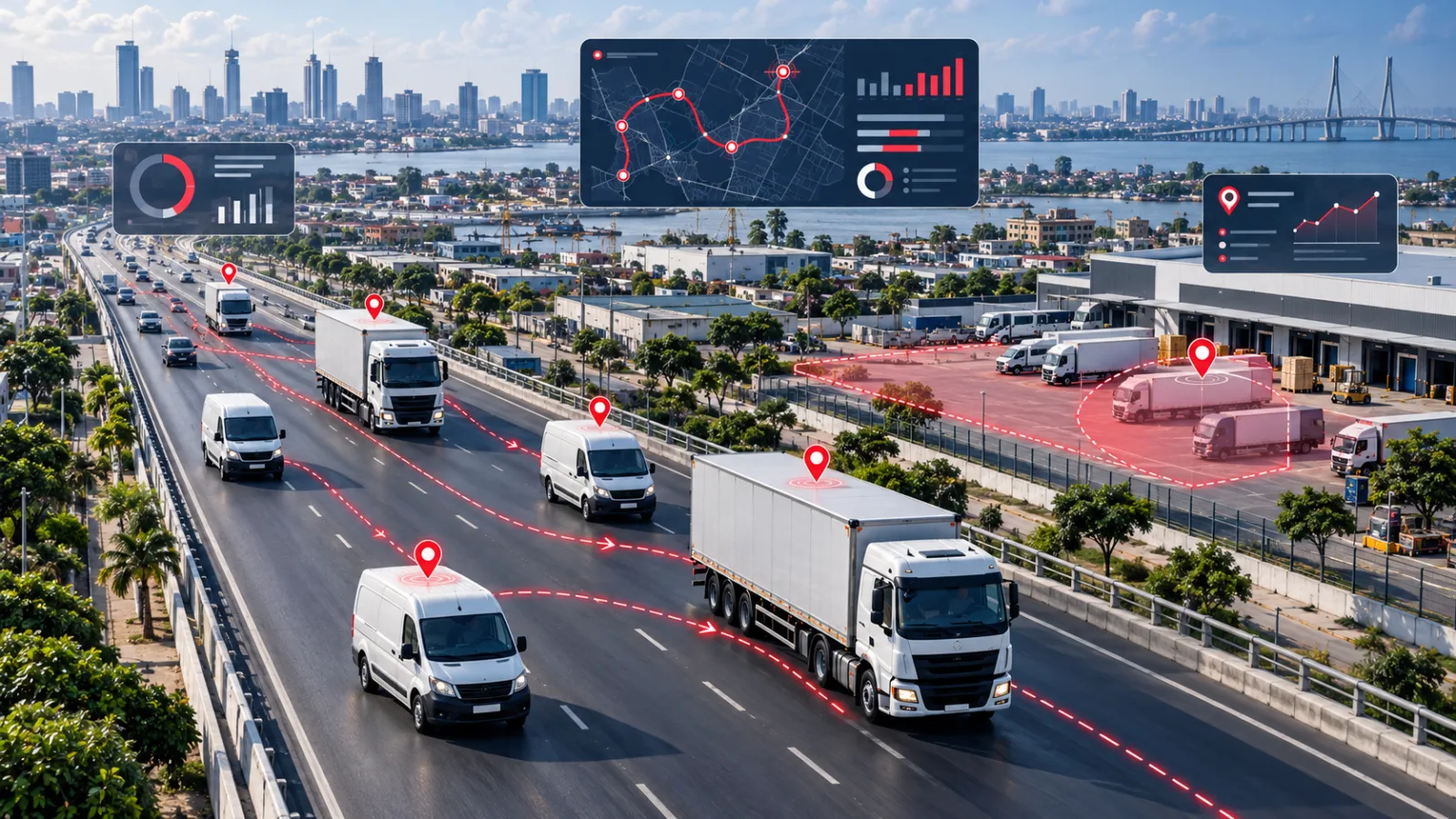
Quick answer: GPS tracking helps transportation and logistics teams coordinate vehicles, verify journeys and respond to delays using live status, route history, geofences and operational alerts.
What you will learn
- How vehicle data reaches the fleet platform
- The logistics questions tracking can answer
- How to use geofences and alerts well
- Which reports support improvement
From vehicle to operations screen
A vehicle device receives location signals and sends updates through a communication network to tracking software. The platform organises positions, journeys and events for authorised users.
Update frequency can change with coverage and device configuration, so managers should check timestamps before making decisions.
- Vehicle device
- Communication network
- Ciska IQ platform
Coordinate transport work
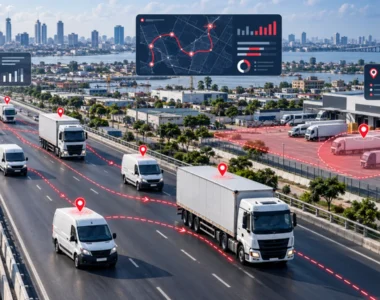
Dispatchers can locate vehicles, see movement and understand whether a driver is approaching a pickup, customer or depot. This reduces repeated phone calls and supports proactive updates.
Journey history also helps investigate missed stops, long waiting time and route changes.
- Live dispatch view
- Pickup and delivery geofences
- Journey evidence
Use alerts as an exception queue
Configure alerts for events that need action: route deviation, after-hours movement, prolonged stops, speeding or a cold-chain threshold. Avoid sending every event to every person.
Record how the issue was resolved so recurring causes become visible.
- Relevant thresholds
- Named recipients
- Documented resolution
Review performance over time
Useful measures include on-time completion, distance, idle time, utilization, exception frequency and vehicle downtime. Compare similar routes and vehicle types.
A short weekly review can identify process improvements faster than a large monthly report with no accountable owner.
- Service performance
- Vehicle productivity
- Cost and safety exceptions
Take the next step with Ciska
This guide becomes more useful when the ideas are connected to the right hardware, installation and tracking software. For this topic, start with Ciska Fleet Pro.
Continue reading
Explore the Ciska ecosystem
View all products →One tracking family. Every kind of movement.
Choose connected hardware and Ciska IQ software for cars, fleets, delivery bikes, cold cargo and inland vessels.
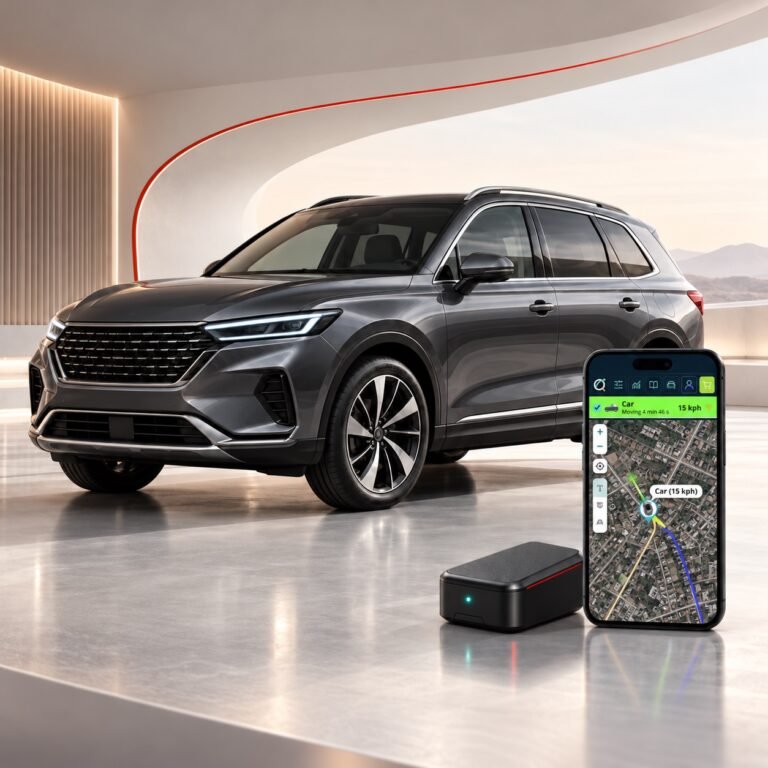
Personal vehicle protection
Ciska Hybrid Pro
Live tracking, journey history, geofences and smart security alerts.
₦80,000.00
View Ciska Hybrid Pro →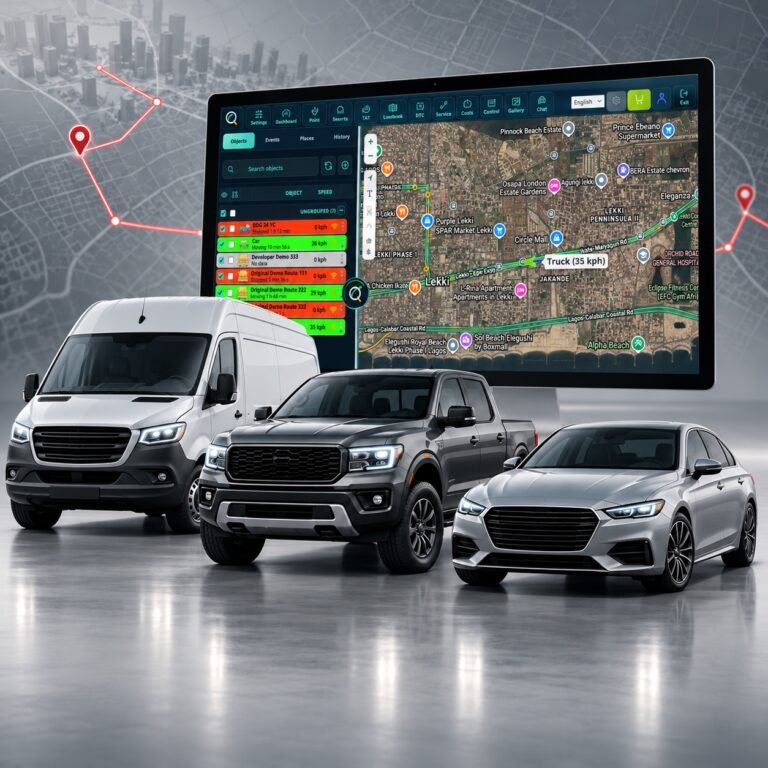
Fleet operations
Ciska Fleet Pro
Fleet visibility, driver insight, operational alerts and business reporting.
₦85,000.00
View Ciska Fleet Pro →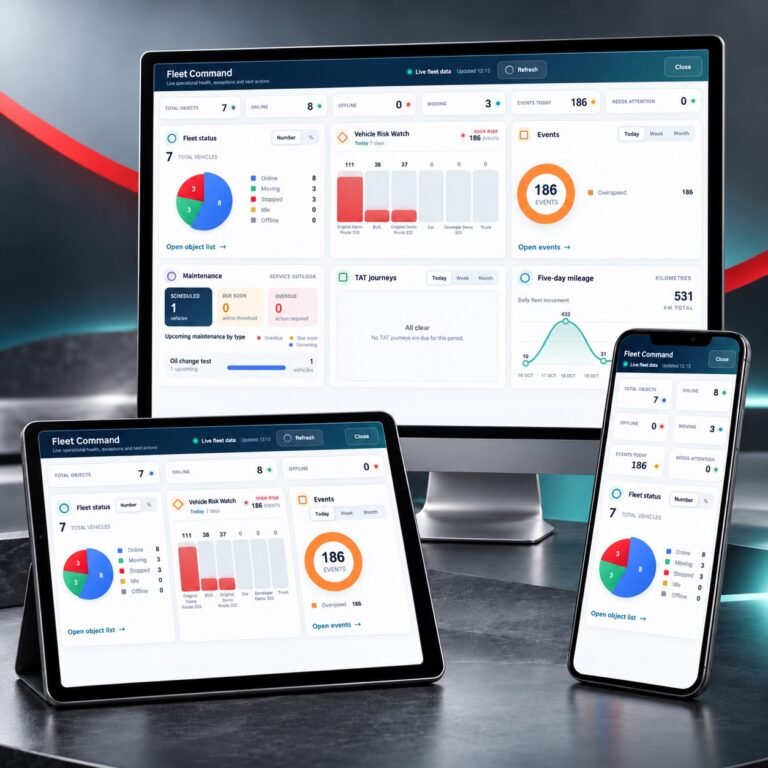
Tracking software
Ciska IQ AI Tracking Platform
Multi-customer fleet intelligence for tracking companies and enterprise teams.
View Ciska IQ AI Tracking Platform →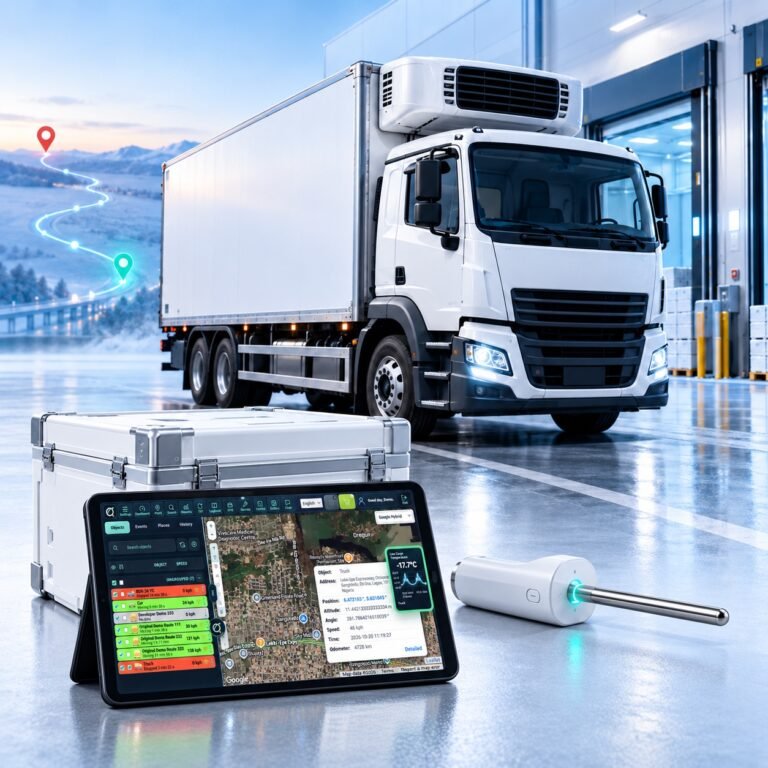
Cold-chain monitoring
Ciska Cold
Location and temperature visibility for food, medicine and sensitive cargo.
₦265,000.00
View Ciska Cold →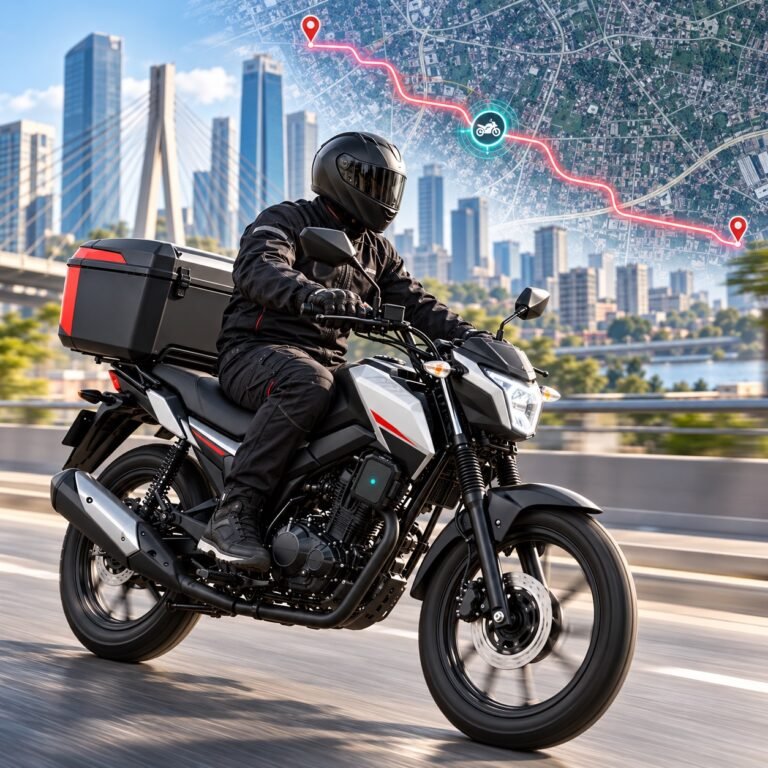
Bike and delivery tracking
Ciska Dispatch
Compact GPS tracking for dispatch bikes and last-mile delivery fleets.
₦70,000.00
View Ciska Dispatch →
Marine tracking
Ciska Boats
Route history, location visibility and operating-area alerts for inland vessels.
₦80,000.00
View Ciska Boats →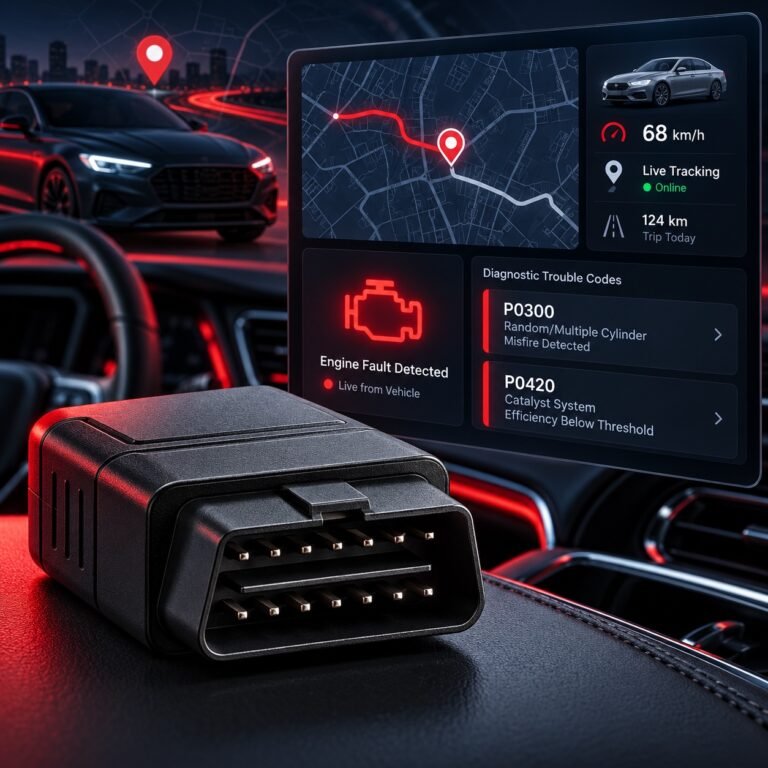
Diagnostics and driver ID
Ciska OBD-II + RFID
Vehicle diagnostics with authorised-driver identification and accountability.
₦140,000.00
View Ciska OBD-II + RFID →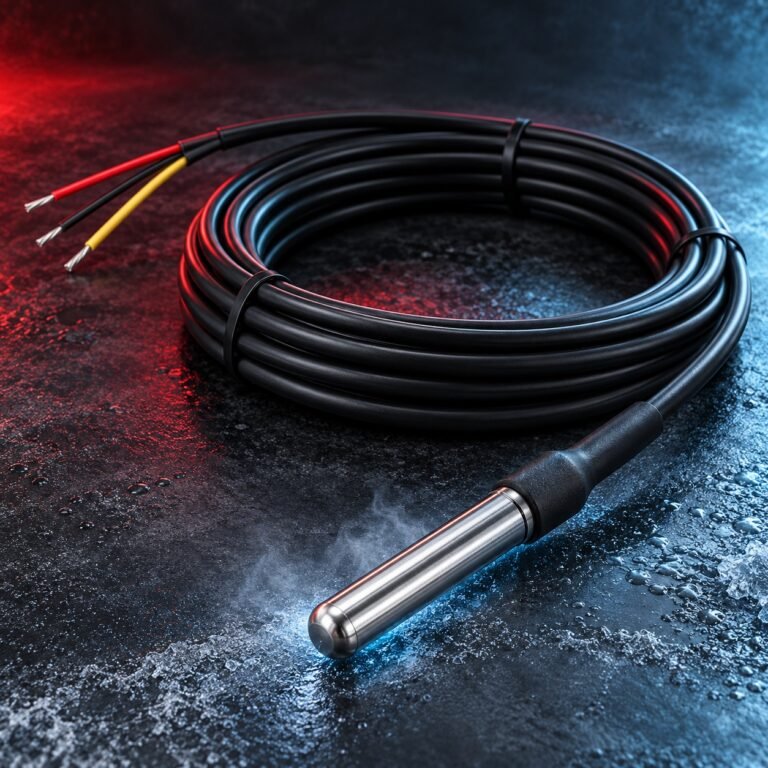
Temperature sensing
Ciska Temperature Probe
A connected probe for reliable cold-chain and sensitive-cargo temperature data.
₦55,000.00
View Ciska Temperature Probe →Frequently asked questions
Can customers receive tracking updates?
A business can design customer communication around live operational data while protecting account permissions and driver privacy.
Does tracking replace a dispatcher?
No. It gives the dispatcher stronger information for coordination and decision-making.
What is the best starting point?
Pilot a defined group of vehicles, configure essential alerts and review the results with drivers and managers.